Jan 09, 2026
An HVAC refrigerant recovery machine is a specialized device designed to remove refrigerant from air conditioning and refrigeration systems in a controlled and safe manner. Its main function is to extract refrigerant from a system and store it in an external recovery cylinder without releasing it into the atmosphere. This process is essential during system maintenance, repair, retrofitting, or decommissioning.
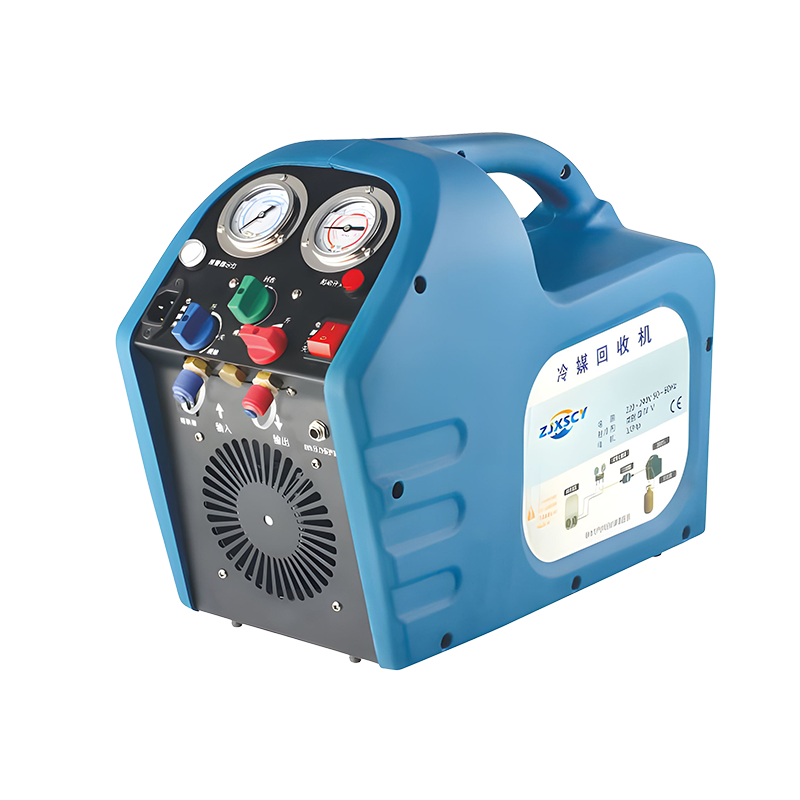
Refrigerant Removal from HVAC Systems
The primary function of the recovery machine is to remove refrigerant from closed-loop HVAC systems. Using a compressor and internal filtration components, the machine draws refrigerant from the system’s high- or low-pressure side. The refrigerant is then transferred into a recovery tank. This function allows technicians to access system components such as compressors, expansion valves, or piping without refrigerant leakage.
Environmental Protection
Another core function is to prevent the release of refrigerants into the environment. Many refrigerants can contribute to ozone depletion or increased greenhouse gas effects if vented. Recovery machines enable compliance with environmental regulations by ensuring refrigerants are properly captured and handled.
System Pressure Management
Refrigerant recovery machines also help reduce system pressure before servicing. By safely removing refrigerant, technicians can work on HVAC equipment without exposure to pressurized gases. This function improves safety and supports proper maintenance procedures.
Overall, the main function of an HVAC refrigerant recovery machine is to safely extract, contain, and manage refrigerant during HVAC system servicing while protecting both technicians and the environment.
Uses of an HVAC Refrigerant Recovery Machine
HVAC refrigerant recovery machines are used in several professional and technical scenarios related to air conditioning and refrigeration systems.
Maintenance and Repair Operations
One common use is during routine maintenance or system repairs. When components such as compressors, coils, or valves need replacement, refrigerant must be removed. The recovery machine ensures refrigerant is collected before disassembly, allowing safe access to internal components and reducing the risk of accidental release.
System Retrofit and Refrigerant Change
Recovery machines are used when upgrading HVAC systems or changing refrigerant types. Older systems may require conversion to newer refrigerants due to regulatory changes. In such cases, the existing refrigerant is recovered, stored, and either recycled or disposed of according to guidelines before introducing the new refrigerant.
Equipment Decommissioning and Disposal
Another use is during system decommissioning. When HVAC units reach the end of their service life, refrigerant must be removed prior to dismantling or disposal. Recovery machines allow technicians to safely extract refrigerant, ensuring compliance with environmental and safety standards.
Through these uses, HVAC refrigerant recovery machines support responsible system servicing, upgrades, and equipment retirement across residential, commercial, and industrial environments.
Advantages of an HVAC Refrigerant Recovery Machine
HVAC refrigerant recovery machines offer several practical advantages that support efficient and responsible HVAC system management.
Environmental Compliance
One advantage is compliance with environmental regulations. Recovery machines help prevent refrigerant emissions, supporting regulations that limit the release of substances that may affect air quality or climate conditions. This allows technicians and service companies to meet legal and professional standards.
Improved Workplace Safety
Using a recovery machine improves safety by reducing exposure to pressurized refrigerants. Controlled removal lowers the risk of accidental discharge, frost injuries, or inhalation hazards. This creates a safer working environment for HVAC professionals.
Efficient Refrigerant Handling
Recovery machines allow refrigerant to be collected and stored for reuse or proper disposal. This reduces waste and supports cost control by enabling recovered refrigerant to be recycled or reclaimed when appropriate. Controlled handling also minimizes contamination of refrigerant supplies.
Support for System Longevity
Proper refrigerant recovery helps maintain system integrity during servicing. By managing pressure and refrigerant flow correctly, technicians can perform repairs without damaging system components. This contributes to more consistent maintenance outcomes.
Related Products

Chengbei Industrial Zone, Xinhe Town, Wenling City, Zhejiang Province, China
Copyright © Wenling Xinsheng Mechanical and Electrical Co., Ltd. All Rights Reserved.



 English
 русский
 Español