Jan 16, 2026
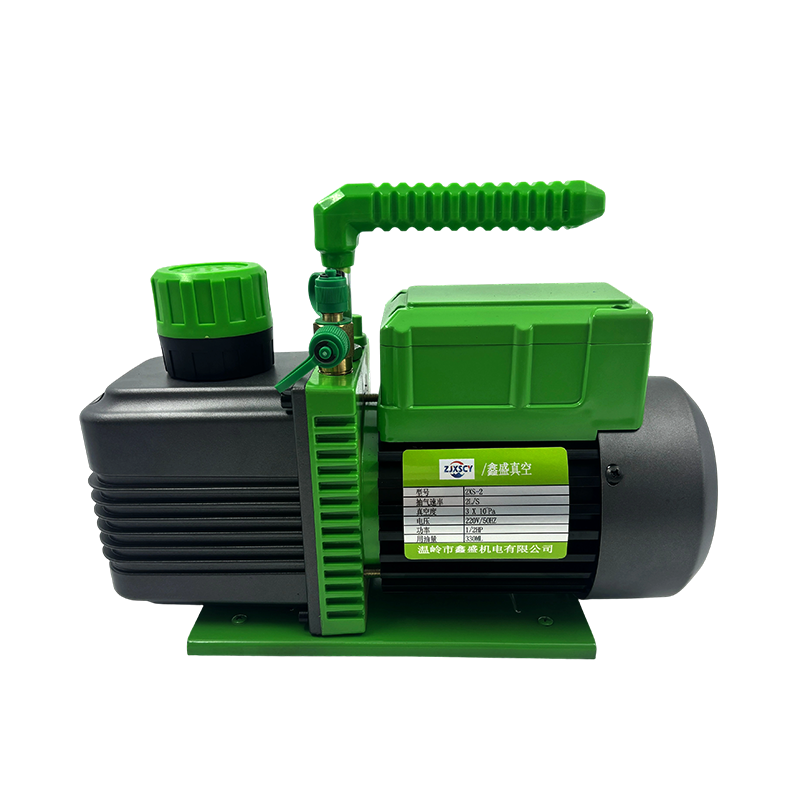
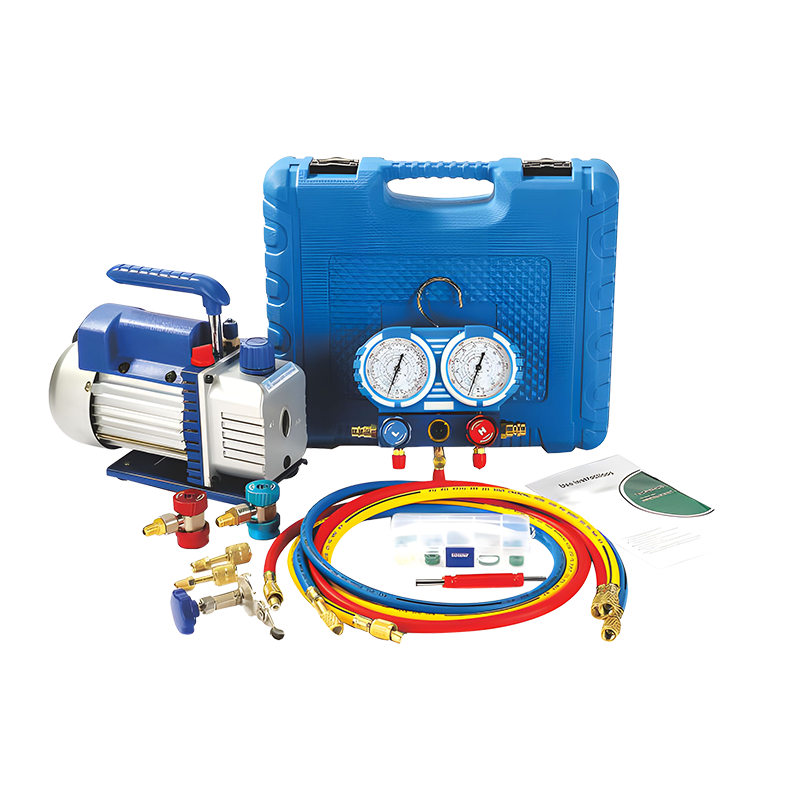
An HVAC vacuum pump manifold gauge kit is a combination of instruments used together to service air conditioning and refrigeration systems. The kit typically includes a manifold gauge set, hoses, fittings, and compatibility interfaces for connection to a vacuum pump and HVAC equipment. Each component plays a specific role in monitoring and controlling system pressure during evacuation and servicing.
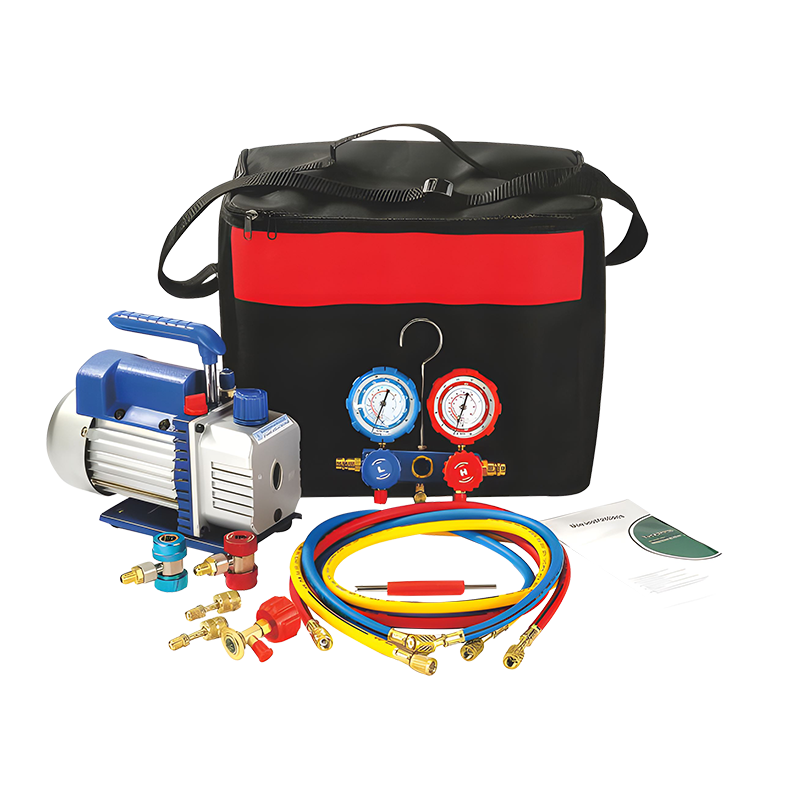
The manifold body is usually made from metal such as aluminum or brass, providing durability and resistance to pressure. It contains internal channels and valve controls that regulate refrigerant or air flow. Two or three valves are commonly present, corresponding to low-pressure, high-pressure, and sometimes a service or vacuum port. Pressure gauges are mounted on the manifold and are calibrated to display readings relevant to HVAC systems, including vacuum levels and system pressure.
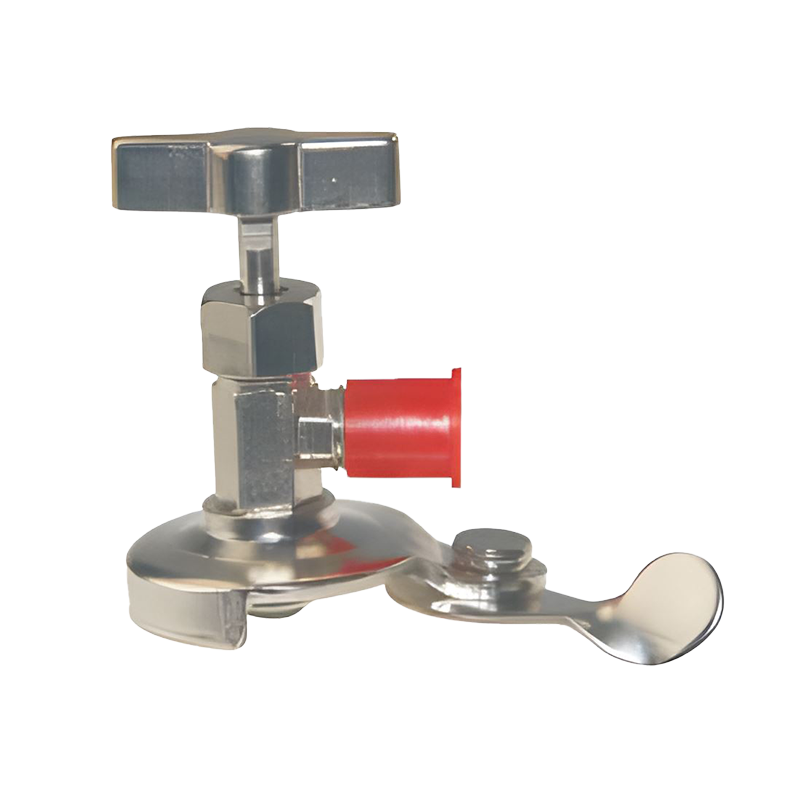
The hoses included in the kit are designed to withstand pressure and vacuum conditions. They are typically color-coded to distinguish between low-pressure, high-pressure, and service connections. Standardized fittings ensure compatibility with common HVAC equipment. The overall configuration allows technicians to connect the vacuum pump, monitor evacuation progress, and isolate sections of the system when needed.
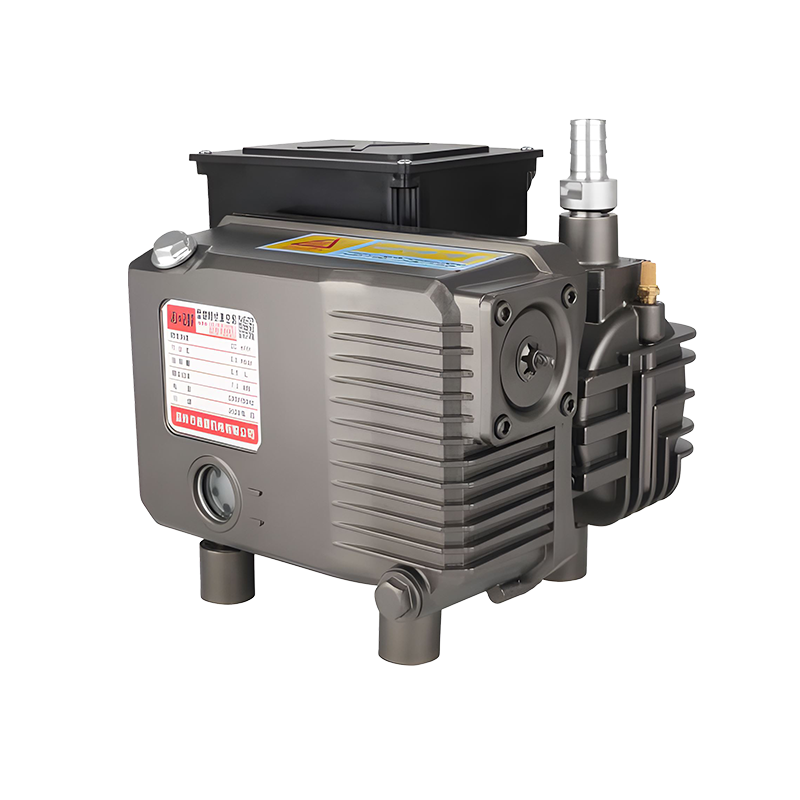
The HVAC vacuum pump manifold gauge kit functions by providing controlled access between the vacuum pump and the HVAC system while allowing pressure monitoring throughout the process. When connected, the vacuum pump removes air, moisture, and non-condensable gases from the system through the manifold and hoses.
During evacuation, the technician opens the appropriate manifold valves to allow air and moisture to be drawn out. The vacuum pump creates negative pressure, which is transmitted through the hoses into the HVAC system. The low-pressure gauge displays the level of vacuum achieved, helping determine whether the system has been adequately evacuated.
The manifold valves allow the technician to control the flow path, such as isolating the system to check for leaks or maintaining a vacuum hold test. If the pressure rises after isolation, it may indicate moisture evaporation or a leak. This controlled operation ensures that the system is properly prepared before refrigerant charging, supporting stable system performance.
HVAC vacuum pump manifold gauge kits are used across a range of service and installation tasks in residential, commercial, and industrial HVAC systems. One primary application is during new system installation. Before refrigerant is introduced, the system must be evacuated to remove air and moisture, which can affect performance and reliability.
Another application is system maintenance and repair. When components such as compressors, expansion devices, or piping are replaced, the system is opened to the atmosphere. The manifold gauge kit is used after repairs to evacuate the system again, ensuring that contaminants are removed before recharging.
The kit is also used during diagnostic procedures. By monitoring pressure behavior under vacuum, technicians can identify potential leaks or moisture issues. In refrigeration systems, accurate evacuation is particularly important to prevent ice formation and corrosion. These applications demonstrate how the kit supports proper system preparation and servicing across different HVAC scenarios.
Using an HVAC vacuum pump manifold gauge kit provides several practical benefits related to accuracy, safety, and efficiency. One benefit is precise pressure monitoring. The gauges allow technicians to observe system conditions in real time, supporting informed decisions during evacuation and testing.
Another benefit is controlled operation. The manifold valves enable gradual and regulated evacuation, reducing the risk of sudden pressure changes that could stress system components. This controlled approach supports consistent servicing practices and helps maintain system integrity.
The kit also supports workflow efficiency. By integrating pressure measurement and flow control into one assembly, technicians can perform multiple tasks without repeatedly disconnecting equipment. This reduces service time and minimizes the chance of introducing contaminants.
From a system perspective, proper evacuation using a manifold gauge kit helps reduce the risk of moisture-related issues, such as internal corrosion or reduced heat transfer efficiency. While the kit does not eliminate the need for skilled operation, it provides the tools necessary for standard HVAC servicing procedures.
Related Products

Chengbei Industrial Zone, Xinhe Town, Wenling City, Zhejiang Province, China
Copyright © Wenling Xinsheng Mechanical and Electrical Co., Ltd. All Rights Reserved.



 English
 русский
 Español