Details:
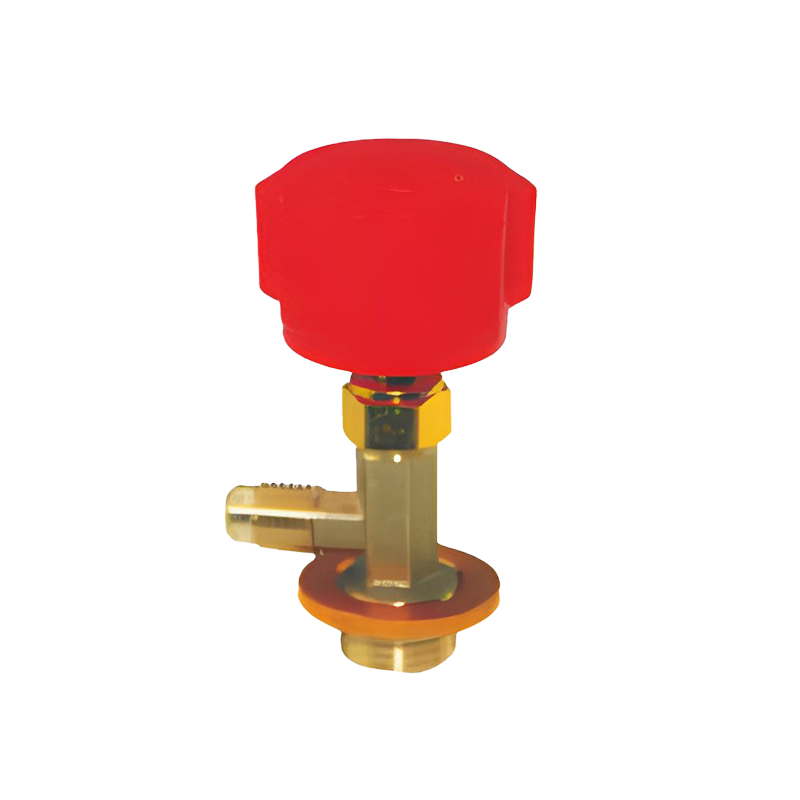
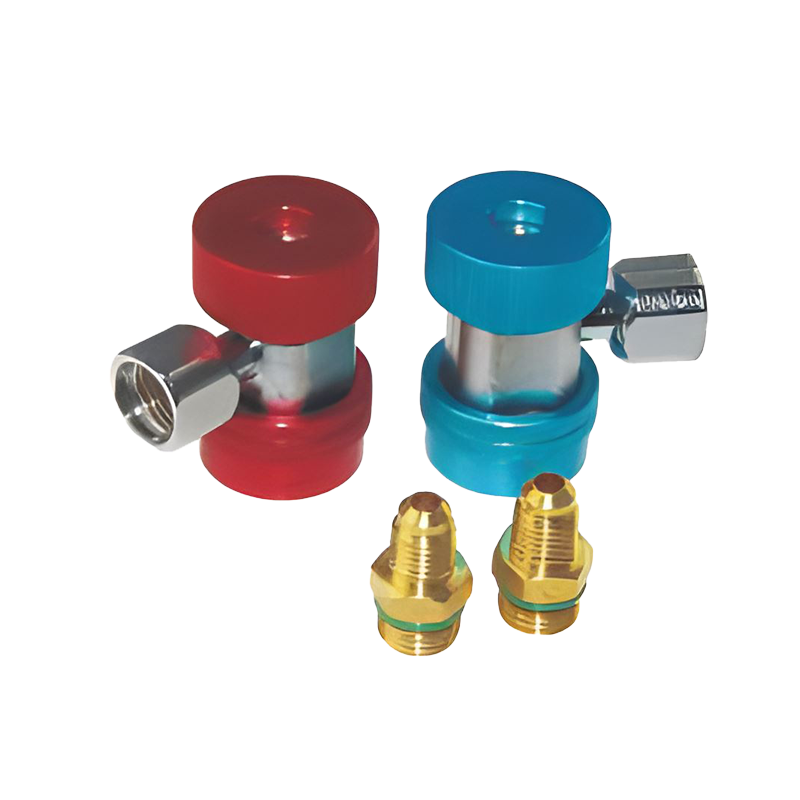
Most of these R134A can taps are machined from solid brass or stainless steel, purely because those metals can take a beating and won't rust out when things get cold and damp. Choosing these tougher metals means the threads won't strip out under high tank pressures, so you can throw it in your tool bag and use it season after season without the thing losing its seal or falling apart on you.
The nice thing about this specific tap is that it's built to play nice with standard, off-the-shelf R134A canisters. You don't have to keep a drawer full of different adapters or specialty tools just to hook up a new can, which makes it a great, versatile piece of gear to have around whether you're working on a car or a small shop loop.
We wanted to keep the design completely straightforward so you're not struggling with it mid-job. It twists onto the top of the can easily, locking into place without any awkward wrestling. Keeping the attachment smooth saves you a bunch of time on a busy day and, more importantly, stops you from accidentally spraying freezing gas all over your hands while getting things connected.
Getting the charge right is everything with air conditioning systems, since guessing the amount can easily lead to a sluggish compressor or a completely frozen line. The built-in valve handle turns smoothly so you can open it up a crack or shut it down instantly. This gives you actual control over the flow rate, helping you hit your exact gauge numbers without wasting expensive gas.
Dealing with pressurized refrigerants can get sketchy if your gear leaks, so safety isn't something to gloss over. This tap packs thick rubber seals and internal mechanisms designed to hold back the pressure without weeping. It keeps the gas locked inside the lines where it belongs, lowering the risk of sudden blowouts or getting hit with a nasty splash of liquid refrigerant.
Nobody wants a tool that snaps the third time you lean into it. Thanks to the heavy metal castings and solid thread tolerances, this tap is meant to survive the regular drops and rough handling of a working garage. Investing in a solid tool now means you aren't constantly driving back to the parts store to buy cheap plastic replacements.
- Environmental Considerations
Letting refrigerant bleed off into the air is a massive headache, both for the environment and your wallet. Because this tap seals up tight and shuts off completely, you can leave a half-empty can connected for your next job without it slowly venting into the atmosphere. It cuts down on unneeded waste and keeps your garage operations a bit cleaner.
Conclusion
When you sum it all up, having a solid R134A can tap is just common sense if you find yourself handling any type of A/C recharge work. It is tough, fits standard cans, and doesn't leak, which takes a lot of the stress out of managing line pressures. Grabbing a dependable, well-made valve makes the whole job run smoother, keeps your workspace safe, and helps you get those vents blowing ice-cold again without any drama.


 English
 русский
 Español