Oct 23, 2026
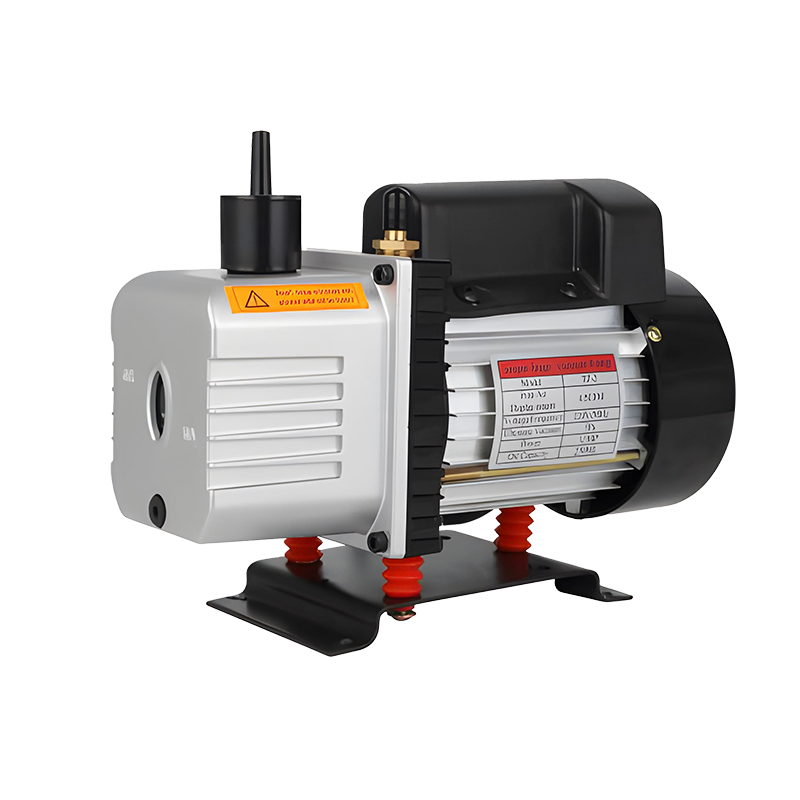
Picking a rotary vane vacuum pump manufacturer isn't like ordering office chairs. These pumps run in packaging, printing, labs, medical systems, woodworking, automation. When they act up, production slows, maintenance bills climb, reliability drops. So if you compare suppliers on price or a flashy vacuum spec alone, you're asking for trouble. You need to look at technical performance, build quality, application experience, testing, after-sales support. A structured approach helps you find a manufacturer that stays consistent over the pump's service life.
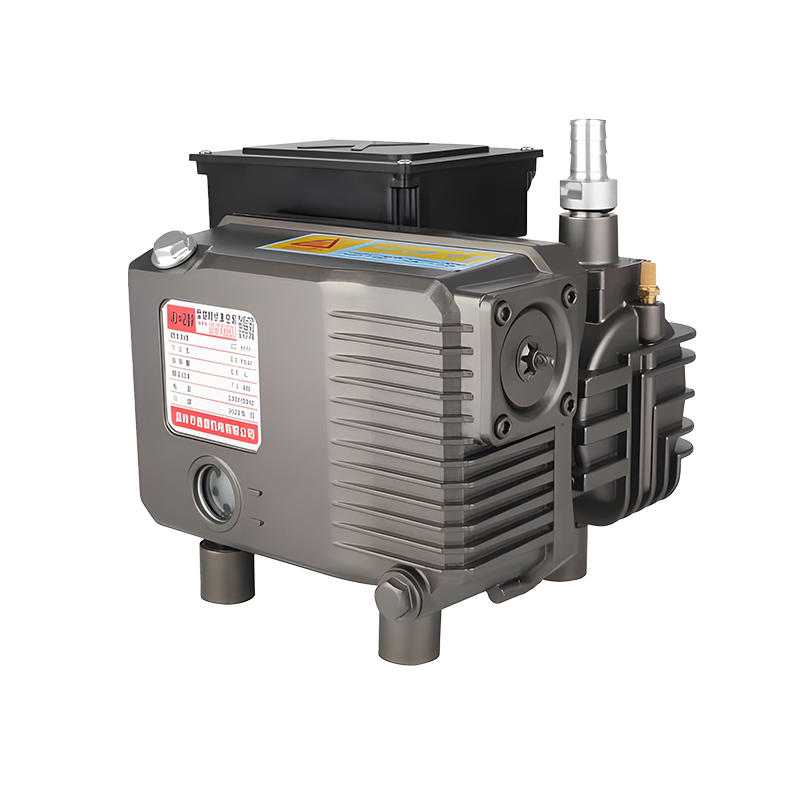
Start by checking whether the manufacturer actually understands your vacuum needs. Rotary vane pumps trap and compress gas with rotating vanes. They suit many continuous and intermittent jobs. Give the supplier your operating pressure, pumping speed, gas composition, running hours, ambient temperature, installation environment. A good manufacturer uses those details to recommend a suitable configuration.
Also, don't confuse ultimate pressure with operating pressure. Ultimate pressure is the lowest the pump can hit under specified conditions. Operating pressure is what you need during actual use. Pumping speed and gas throughput have to match the system too. A supplier who explains these differences clearly helps you avoid a pump that looks good on paper but disappoints in real life.
Build quality affects vacuum stability, energy use, maintenance frequency, service life. Look at materials, machining accuracy, vane design, shaft sealing, bearing quality, lubrication system. For oil-sealed pumps, oil quality and circulation matter a lot. Good lubrication cuts friction, helps sealing, carries heat away. If your process involves water vapor, chemicals, or contamination, you may need specific designs, accessories, or procedures. Dry-running rotary vane pumps exist for oil-free needs. Confirm the proposed design fits your process and its specs match the duty.
Documented quality controls give you extra confidence. Ask how critical components are inspected, how assembly quality is verified, how defective products are handled.
A structured comparison keeps purchasing teams consistent.
| Evaluation criterion | What buyers should verify | Why it matters |
|---|---|---|
| Pump performance | Pumping speed, ultimate pressure, and operating range | Confirms suitability for the application |
| Product construction | Materials, bearings, vanes, seals, and lubrication design | Influences durability and maintenance |
| Quality inspection | Assembly checks, leak checks, and performance testing | Helps verify product consistency |
| Application compatibility | Gas type, moisture exposure, duty cycle, and operating temperature | Reduces the risk of premature failure |
| Documentation | Datasheets, operating manuals, maintenance guidance, and test reports | Supports installation and technical verification |
| Customization capability | Mounting options, electrical configurations, and accessories | Helps integrate the pump into existing equipment |
| After-sales service | Spare parts, technical support, and warranty terms | Reduces downtime and long-term ownership risk |
The right supplier meets your technical and operational needs—not just the lowest initial price.
Specs should be backed by measurable test results. Ask whether the manufacturer runs functional tests on finished pumps and whether the procedure reflects agreed requirements. Depending on design and application, pre-shipment checks may include operating verification, vacuum performance measurements, current consumption, abnormal noise, vibration, oil leakage, external condition inspection.
Test conditions need to be clear. Vacuum measurements, for instance, can shift with test setup, instrumentation, gas load, stabilization time. Comparing results only makes sense when measurement conditions are consistent enough. For larger orders or specialized equipment, agree on a factory acceptance test before production or shipment. The plan should identify pump model, acceptance limits, inspection method, required documentation. A supplier willing to provide traceable inspection records improves purchasing confidence and simplifies quality talks if something goes wrong after delivery.
Purchase price is only one slice. Electricity, oil and filter changes, vane wear, maintenance labor, spare parts, production downtime—they all add up. Compare power consumption at relevant operating conditions. Review recommended maintenance intervals. For oil-sealed models, understand oil-change requirements, oil mist management, lubricant suitability. Running a pump outside its intended pressure range or exposing it to unsuitable gases increases wear and maintenance. A properly sized pump with suitable accessories may offer better long-term value than a cheaper model needing frequent intervention. Request maintenance schedules and consumables availability before finalizing.
Industrial vacuum systems often sit inside larger production lines. A pump failure can hit several processes. So technical support and spare-parts availability deserve careful thought. Check whether the manufacturer has experience with similar applications and can guide installation, commissioning, troubleshooting, routine servicing. Useful evidence includes application references, detailed technical documentation, a clear warranty policy, defined service response procedures. For demanding installations, clarify spare-parts lead times and whether replacement components will stay available throughout the expected service period. Certifications and quality management credentials can support evaluation, but verify they apply to the actual manufacturer, facility, and product.
Evaluating rotary vane vacuum pump manufacturers combines technical review, quality verification, cost analysis, service assessment. Define your process requirements, then compare manufacturers against the same performance criteria. Ask for evidence behind their specs. Before ordering, confirm operating limits, testing requirements, documentation, maintenance needs, warranty conditions. A supplier who communicates clearly and provides verifiable performance data makes it easier to manage technical risks and keep production consistent. That disciplined approach helps industrial buyers select vacuum equipment that fits their applications, supports reliable operation, and delivers long-term value.
Related Products

Chengbei Industrial Zone, Xinhe Town, Wenling City, Zhejiang Province, China
Copyright © Wenling Xinsheng Mechanical and Electrical Co., Ltd. All Rights Reserved.



 English
 русский
 Español