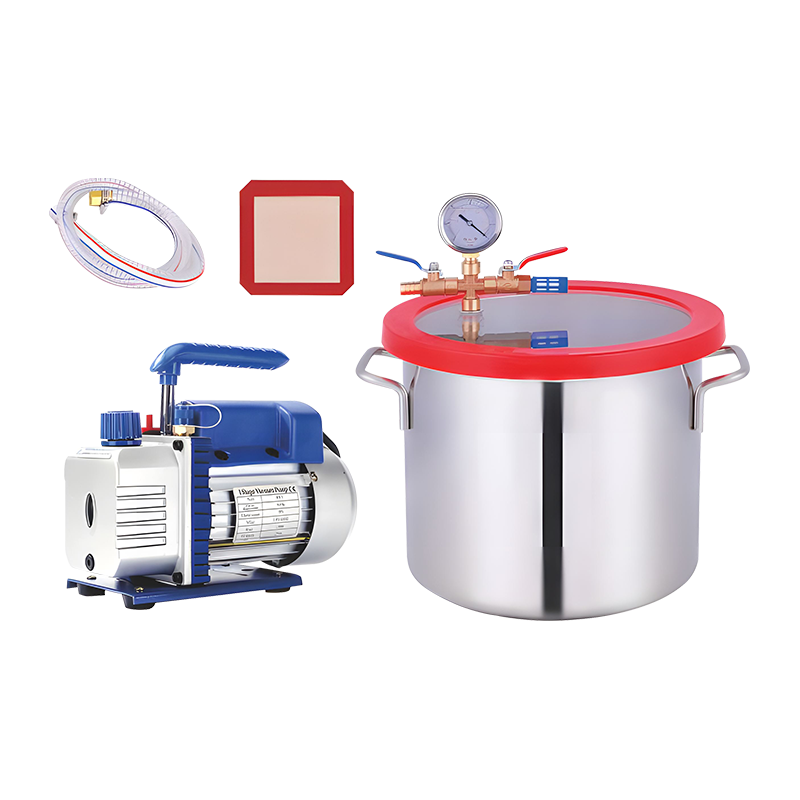
Details:
1. The Vacuum Pump: Your Main Muscle
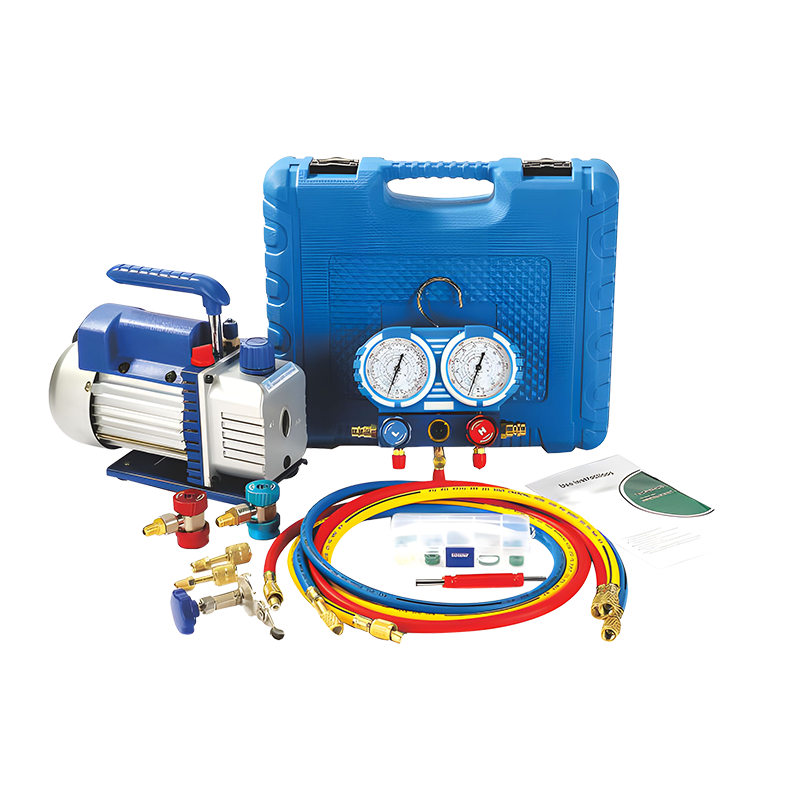
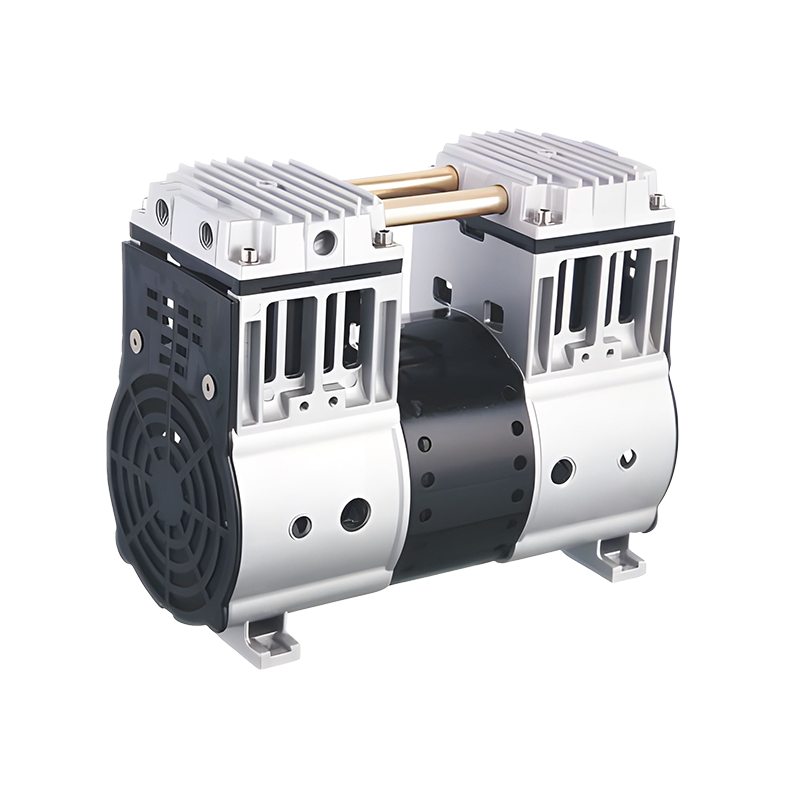
The pump is the true workhorse here. Its main job is pulling out unwanted air and hidden moisture from the refrigeration lines before you even think about releasing the gas. If you leave moisture trapped inside, it's going to cause sludge and ruin the compressor down the road, so getting a clean, tight seal is everything.
Rapid evacuation that works: It draws down the lines efficiently to hit a solid vacuum depth, which is exactly what you need to keep home A/C units or commercial systems running without a hitch.
Won't burn out under load: We made sure the motor packs built-in thermal protection. If you have to leave it running on a long, stubborn line set, it'll cut out before it overheats, saving your gear from frying itself on a hot roof.
Tough metal casing: The body uses heavy-duty aluminum or stainless castings instead of cheap plastic. It's built to be tossed in the truck bed and take the regular thumping of daily field jobs without cracking.
Doesn't scream while it runs: A lot of old-school pumps have an incredibly loud, annoying whine. This model cuts down on that mechanical noise, which is a massive plus when you're stuck in a tight basement or working right outside a customer's bedroom window.
2. The Manifold Gauges: Getting Straight Answers
You can't troubleshoot a system blind, and this gauge set is what tells you exactly what is happening inside the lines. It lets a tech hook up, read the system pressure instantly, and figure out what's wrong without guessing.
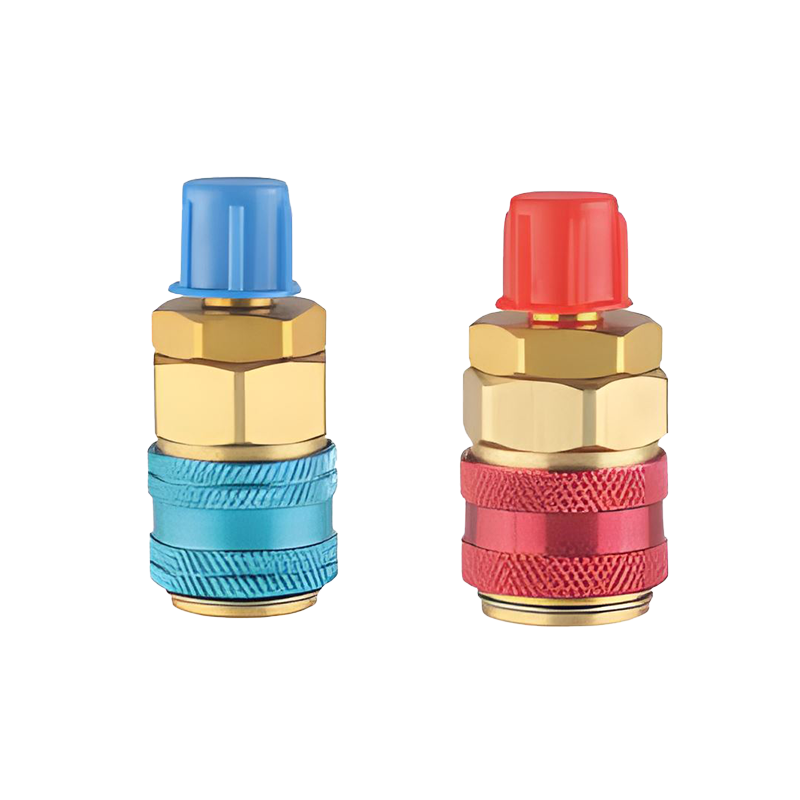
Color-coded dials save mistakes: It uses the standard layout—blue for the low-pressure suction line and red for the high-side liquid line. It's simple, easy to read at a glance, and stops you from crossing your lines when you're tired at the end of a long shift.
Solid brass and stainless construction: The manifold block is machined from heavy brass to handle constant contact with corrosive refrigerants, compressor oils, and harsh flush chemicals without pitting or stripping the threads.
Chunky valves give you a real feel: The knobs turn smoothly and give you actual control when you need to crack a line open or throttle the flow. It makes bleeding in gas or holding a vacuum completely straightforward.
3. Built for the Rough Reality of Fieldwork
Tools get dropped, kicked, and bounced around in the back of the van—that's just how it goes out on a job site. This combo setup is engineered to survive that daily abuse without losing its calibration.
Handles the occasional drop: Both the pump frame and the gauge housings are wrapped in shock-resistant guards. If the manifold slips off a condenser unit frame onto the concrete, the casing absorbs the brunt of the impact so the internal needles don't snap.
Anti-vibration base plates: The pump motor sits on rubberized dampening mounts. It keeps the whole unit from skating across a slick floor while running and protects the internal bearings from shaking themselves loose over time.
4. No-Nonsense Handling and Portability
Compact enough to lug around: The footprint is kept reasonably tight so you aren't carrying a massive chunk of iron. Everything drops into a dedicated case that keeps your hoses from tangling up with your wrenches, letting you grab the full setup in one trip from the truck.
Large, clear dial faces: We didn't overcomplicate the interface. The gauge faces are oversized on purpose so you can see the pressure marks clearly in low light, and the pump switch is right where your thumb expects it.
Thick, comfortable handle: Carrying a vacuum pump up a extension ladder is annoying enough as it is. The molded handle shape gives you a secure grip that won't dig into your fingers when you're hauling it across a hot roof.


 English
 русский
 Español