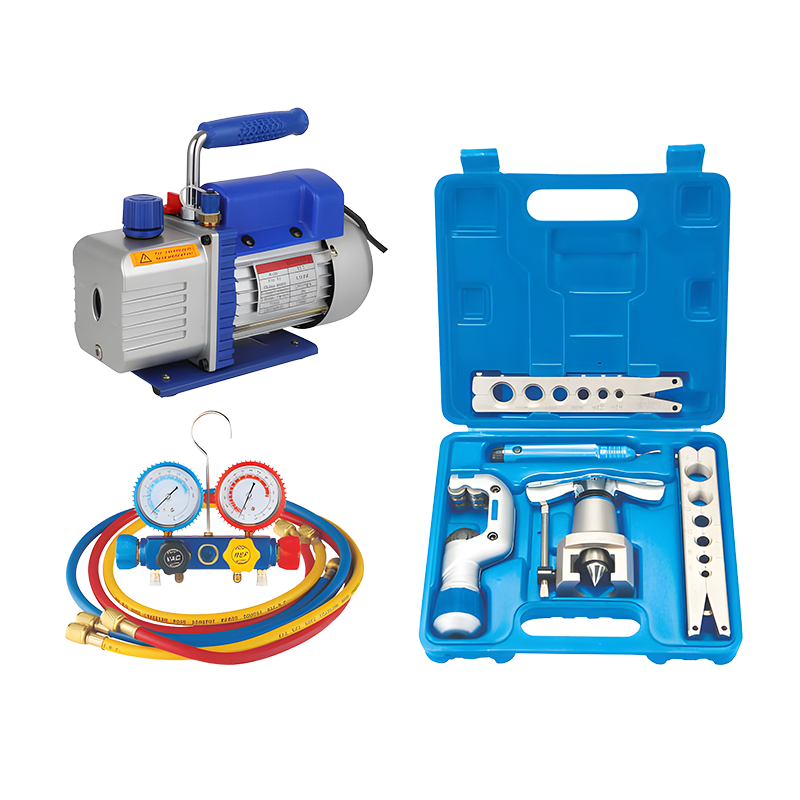
Details:1. The Vacuum Pump
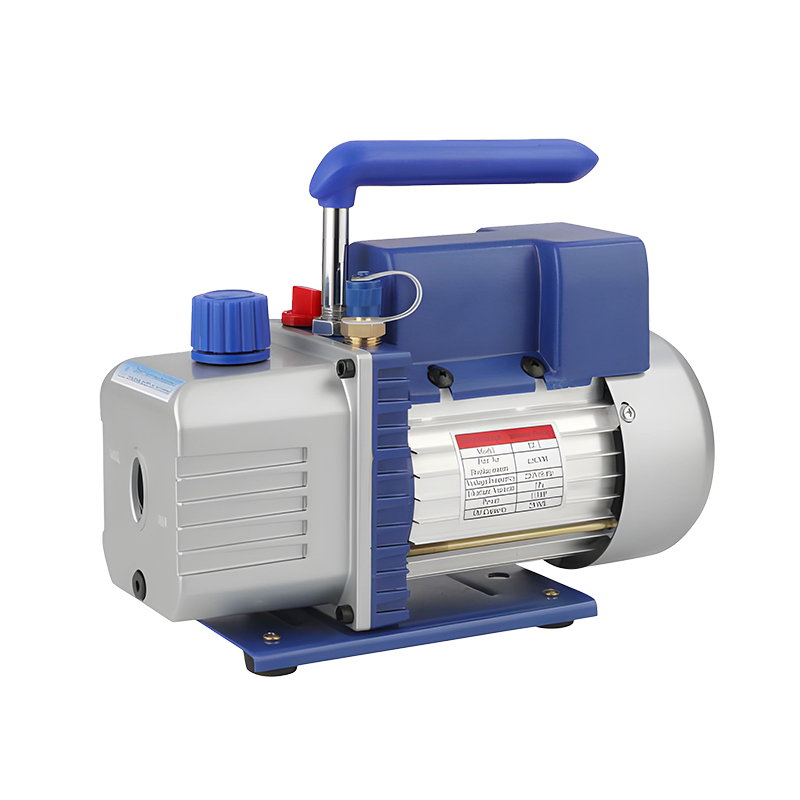
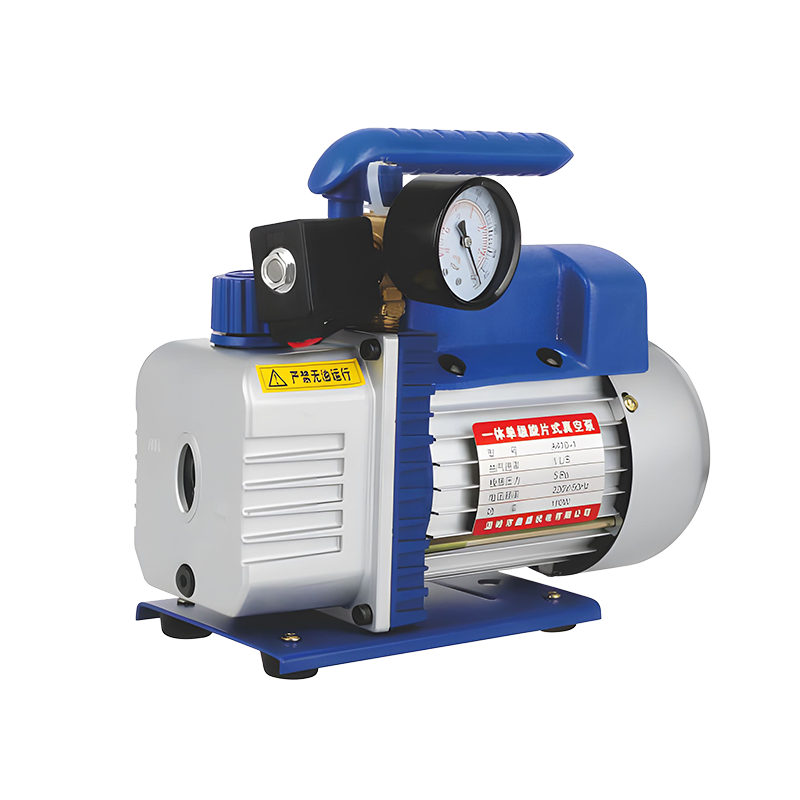
You can't even start an A/C repair job without a decent vacuum pump. Its main job is sucking out unwanted air and hidden moisture from the refrigeration lines before you drop any fresh gas in. Skipping this step is just asking for a comeback.
Boils off hidden moisture: If you leave water drops trapped inside the lines, it reacts with the refrigerant and turns into a nasty acid. That sludge will slowly chew up your compressor blades and clog your expansion valves, so pulling a deep vacuum is what keeps the system alive.
Clears out the lines: Before you charge the system, you need to purge every bit of residual air. Getting a clean, dry environment ensures your manifold gauges actually show accurate pressure readings instead of bouncing around.
Quick leak check: Once you draw the system down, you can shut off the valves and watch the gauges. If the lines can't hold that vacuum for fifteen or twenty minutes, you know you've got a leak somewhere that needs to be brazed or tightened before you waste expensive gas.
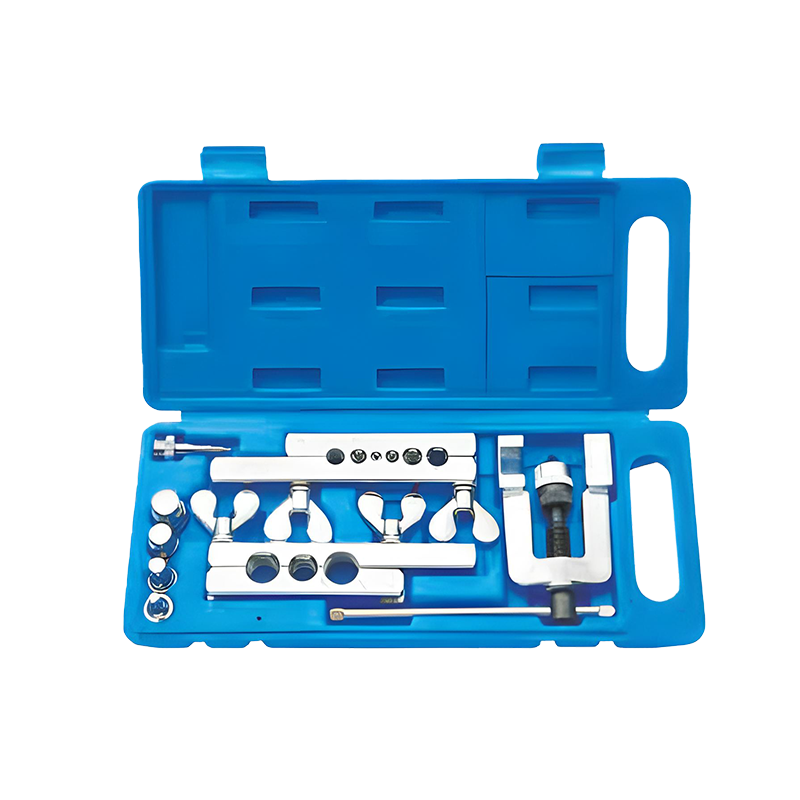
2. The Tubing Expander
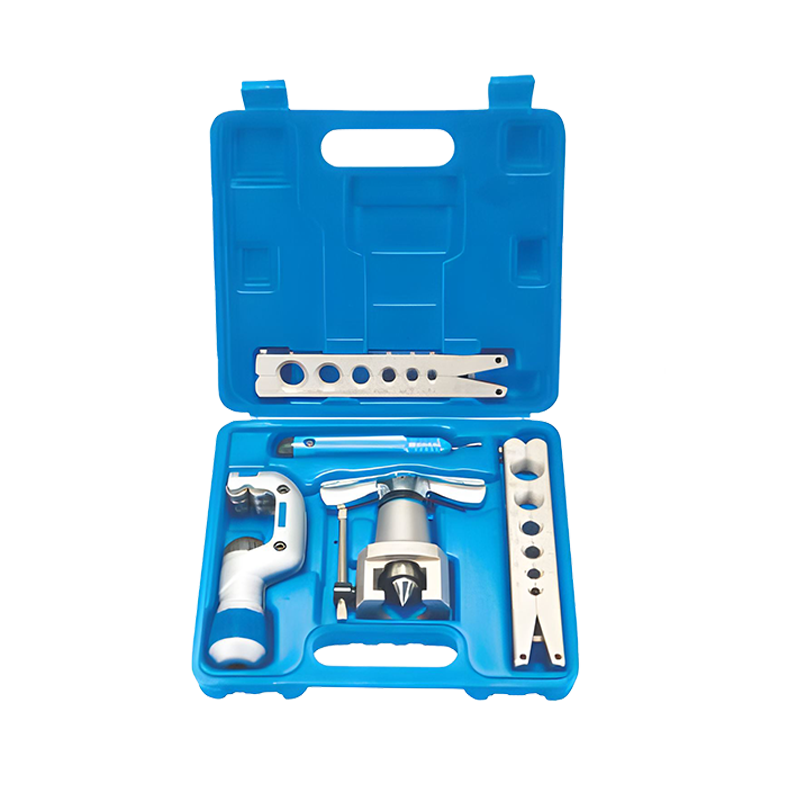
This expander tool is what you grab when you need to stretch and adapt different pipe sizes on the fly. It saves you from carrying a million different copper fittings in your truck because you can just make your own swage joints right on the spot.
Stretches copper evenly: The tool forces the inside of the copper tube out cleanly, stretching it just enough so your next piece of pipe or valve fitting slides right in without a wrestling match.
Better solder joints: Because the expansion is smooth and matches the pipe profile, your flux and solder can flow all the way around the joint, giving you a rock-solid seal that won't start weeping under high system pressures.
No more wasting time: Resizing a tube with an expander takes about ten seconds. It's way faster and a lot more reliable than trying to stretch copper with a pair of pliers or using old-school flare blocks that tend to split the pipe ends.
3. The Manifold Gauge Set
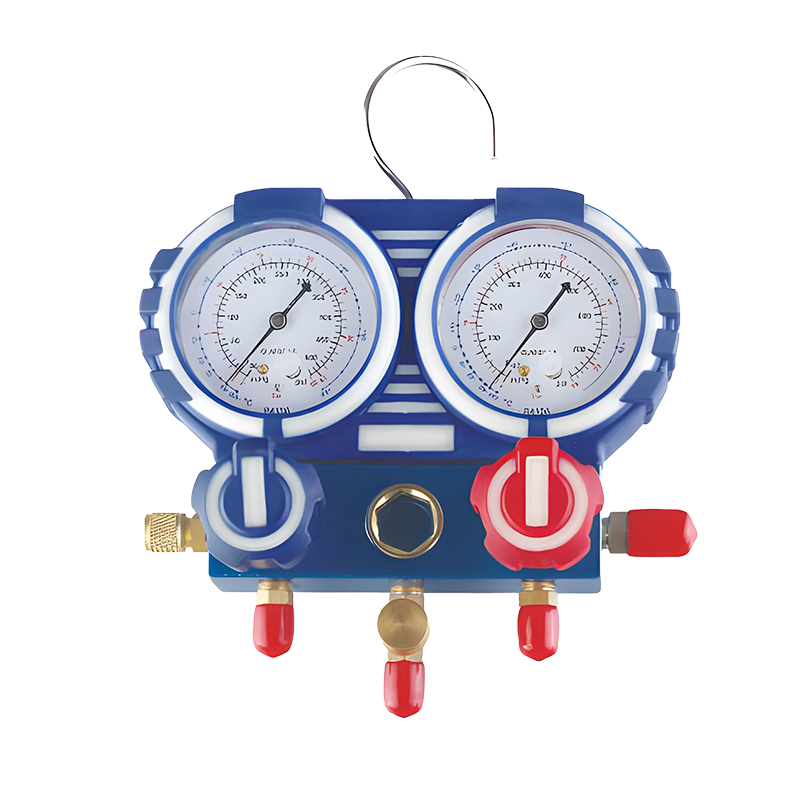
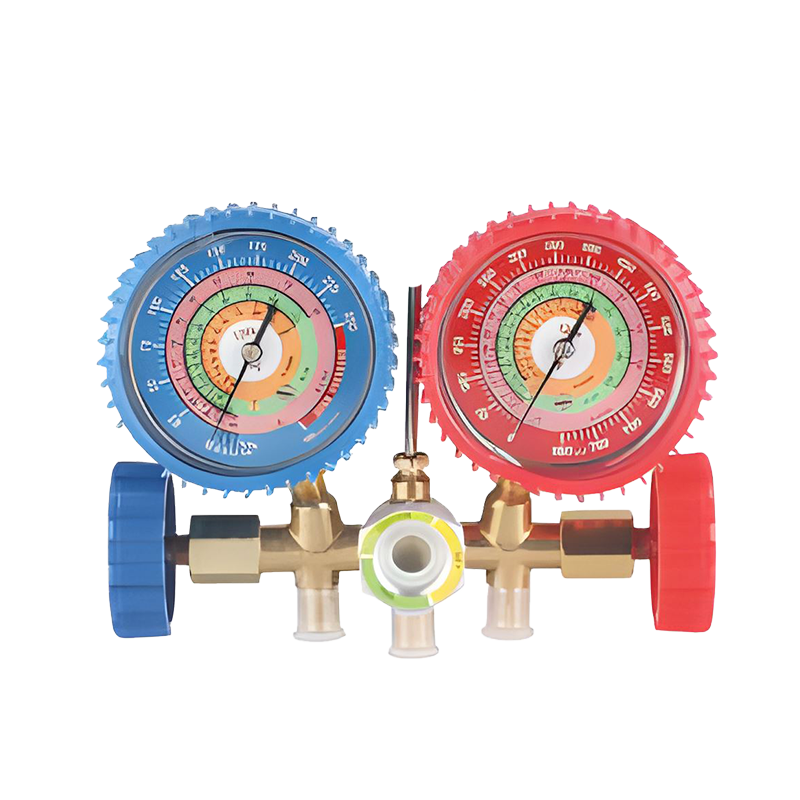
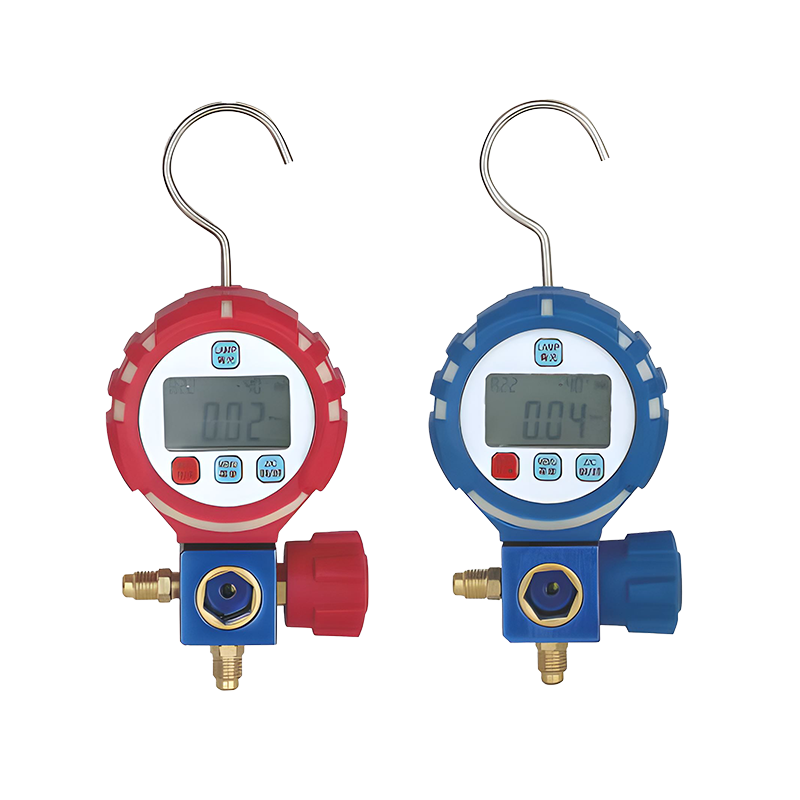
The gauges are your eyes on the job. You can't troubleshoot an A/C loop blind, and this dial set is what gives you a straight answer on what the system pressures are doing so you can follow the manufacturer's specs.
Tracks both sides at once: The manifold packs two distinct dials—blue for the low-side suction pressure and red for the high-side liquid line. You get to watch the pressures shift in real time as the compressor cycles.
Verifies your charge level: Getting the right amount of freon into the lines is a delicate balance. The gauges let you see exactly how much gas is in the loop, making it easy to spot if a system is low on charge or slowly losing its gas over time.
Tells you what's actually broken: The needles can point you right to the problem. If your high-side pressure is sky-high and the low side is bottomed out, you're likely looking at a clogged filter-drier or a stuck expansion valve rather than a dead compressor.
4. A Real All-Rounder Kit
This setup isn't just for quick top-offs or basic filter changes; it's put together to handle real, messy overhaul jobs out in the field.
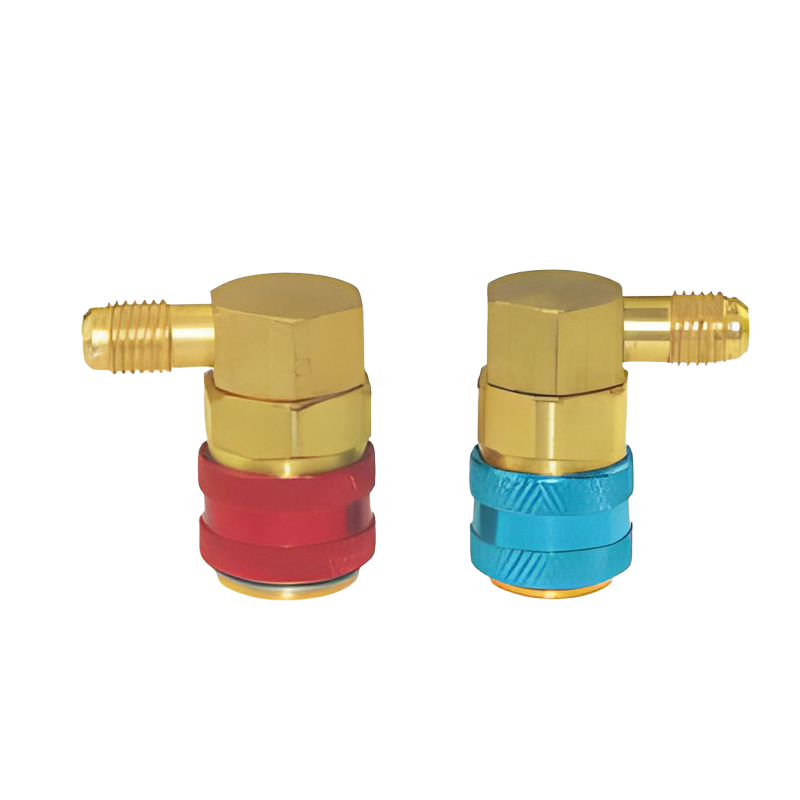
Everything in one box: By pairing the vacuum pump with the expander set and a heavy-duty manifold block, we put together a kit that works just fine whether you're climbing up a ladder to fix a rooftop unit or leaning over the fender of a car.
Built for truck bed abuse: We didn't skimp on the metal castings or the hose reinforcement. The tools in this kit are meant to survive the regular drops, grease, and rough handling of a busy shop or a hot service truck without breaking down or losing their calibration.


 English
 русский
 Español