Details:1. The Vacuum Pump
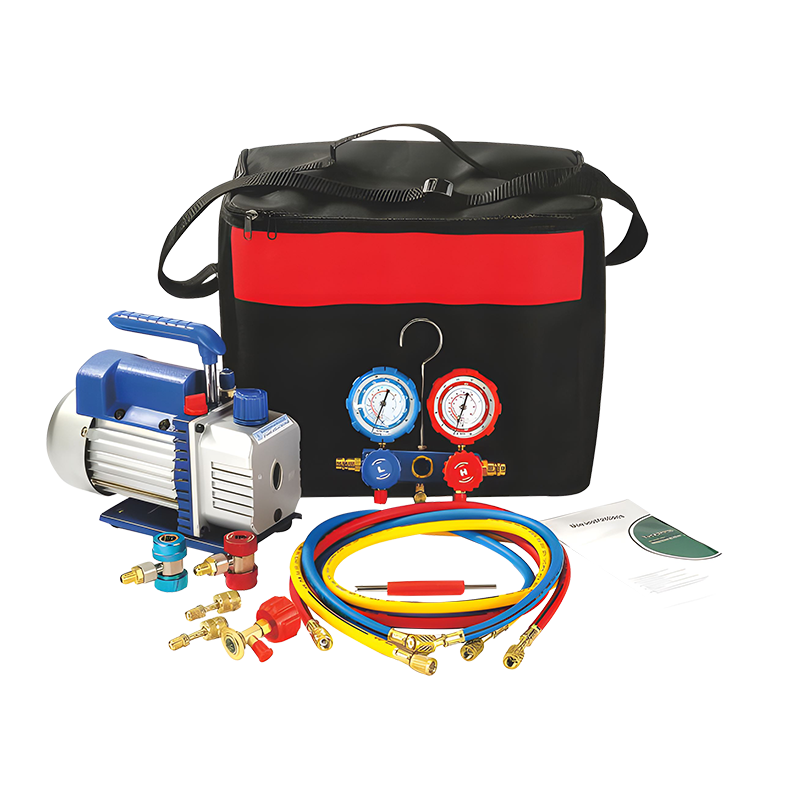
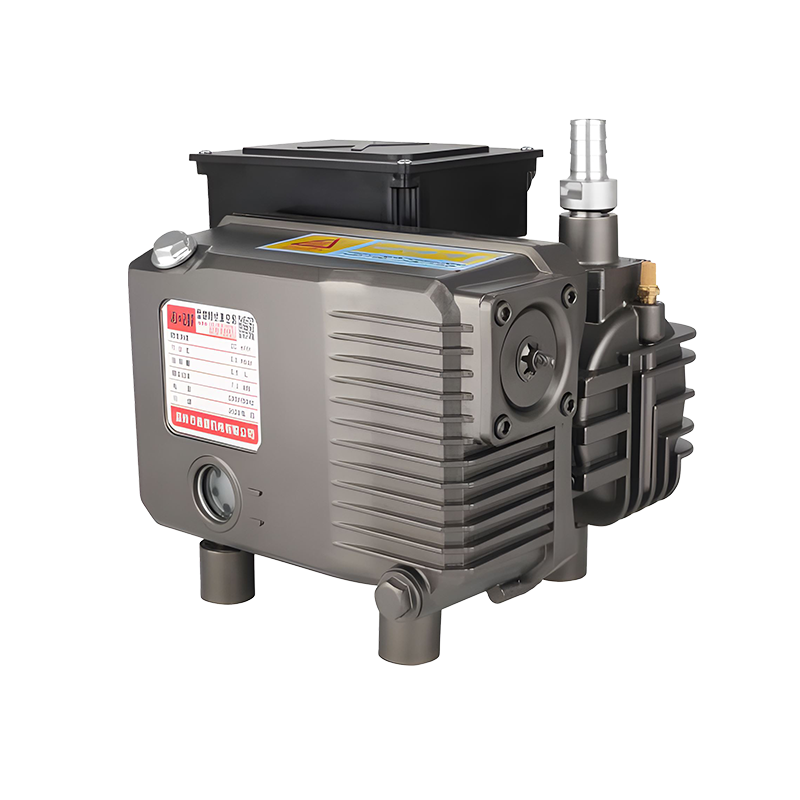
The pump's main job is boiling off hidden moisture and sucking out unwanted air or non-condensable junk from the lines so you can pull a clean, deep vacuum. Leaving moisture trapped inside is a nightmare because it can freeze up your expansion valves and slowly turn into sludge that eats your compressor from the inside out.
Beefy motor gets it done fast: We put a high-powered motor on this pump so you aren't sitting around forever waiting for the microns to drop. It maintains a steady pull to hit your target vacuum quickly, which saves you a lot of time on a busy shift.
Built to take regular shop abuse: The housing is cast from materials that won't rust out from moisture or get ruined by compressor oil. It's got a heavy-duty feel that doesn't mind rolling around in the back of your truck, and it handles standard refrigerants without any fuss.
Doesn't scream while running: Let's be honest, old-school pumps can be incredibly loud. This model includes some decent sound-dampening tech to cut down on that annoying mechanical chatter, so you can actually hear yourself think on the job site.
2. The Gauge Set
You can't work blind, and this manifold is what tells you exactly what is happening inside the lines in real time. It monitors both your high and low-side pressures, giving you the raw data you need to figure out if a system is running happy or throwing a fit.
Dual-dial layout for troubleshooting: Having both the high and low-side gauges right next to each other makes it way easier to spot a sneaky restriction, diagnose a weak compressor, or see if the previous guy overcharged the loop.
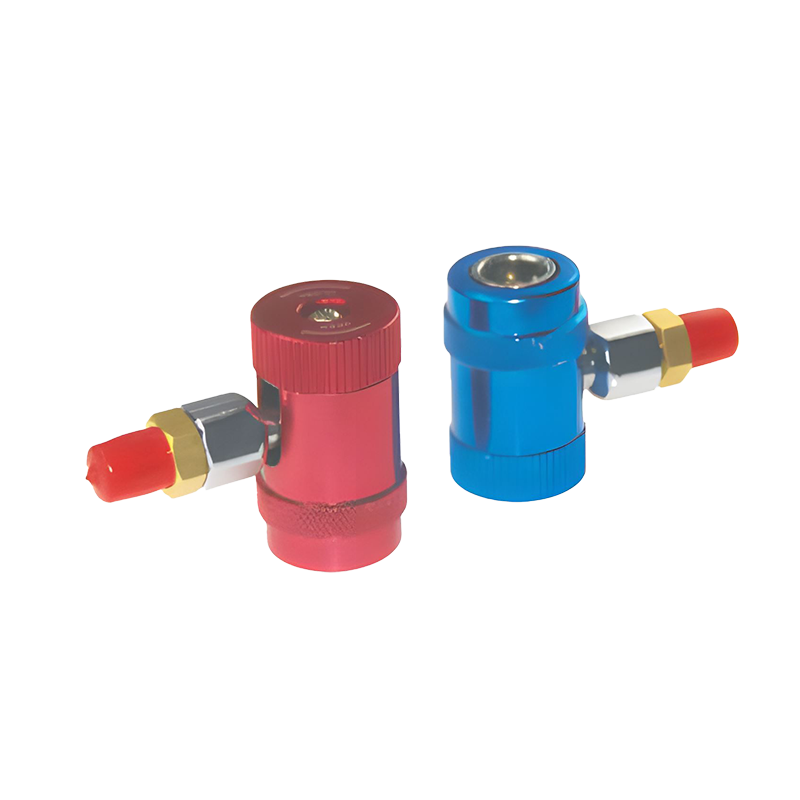
Hoses that don't go stiff: The lines are made from thick, high-grade rubber that won't crack or get brittle when they touch freezing freon. They use standard color coding so you don't cross your lines: blue hooks up to the suction side, red goes to the liquid side, and the yellow middle line handles your vacuum or charging tank.
Not picky about the gas: The pressure scales on the dials cover a wide range, meaning you can swap the same manifold from a standard home split system over to an automotive unit or an older commercial box without needing a different set of gauges.
3. Packing It Up and Moving Out
The whole kit drops into a rugged carrying case, which is a lifesaver if you're bouncing between three different job sites a day. Instead of letting your hoses tangle up with your wrenches, everything has its own designated slot. It keeps the gear from smashing together during transit and makes it easy to grab everything in one trip from the truck.
4. Good for Techs or Garage Tinkers
This combo setup hits a nice middle ground—it's tough enough for a residential installer or commercial maintenance guy, but simple enough that a DIYer can use it to fix their own truck's A/C or hang a home mini-split over the weekend. It gives you the full setup required to handle evacuations and charging cycles cleanly without buying a bunch of piecemeal tools.


 English
 русский
 Español