Details:Overview
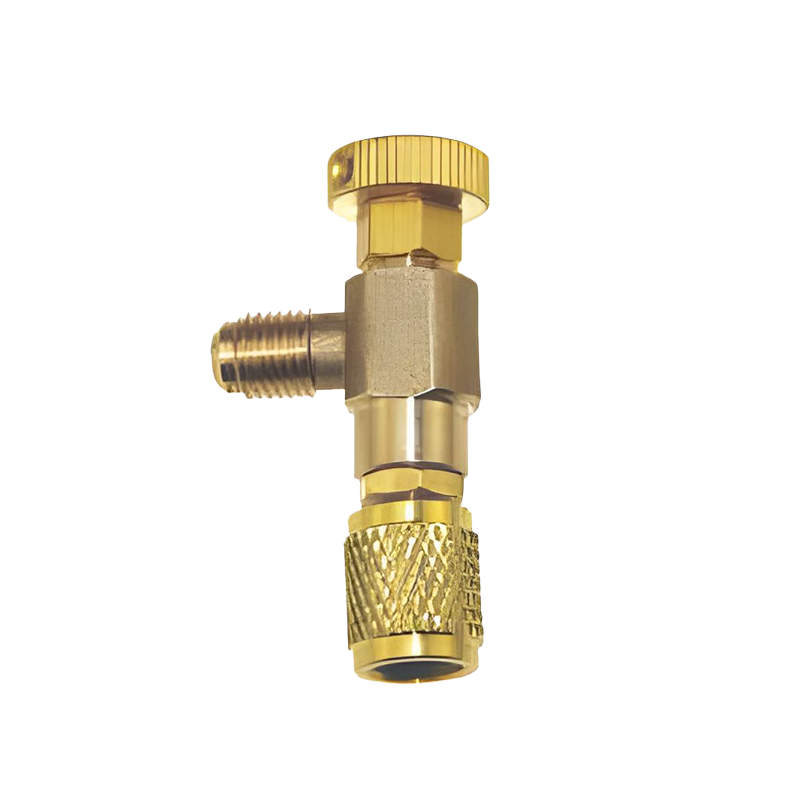
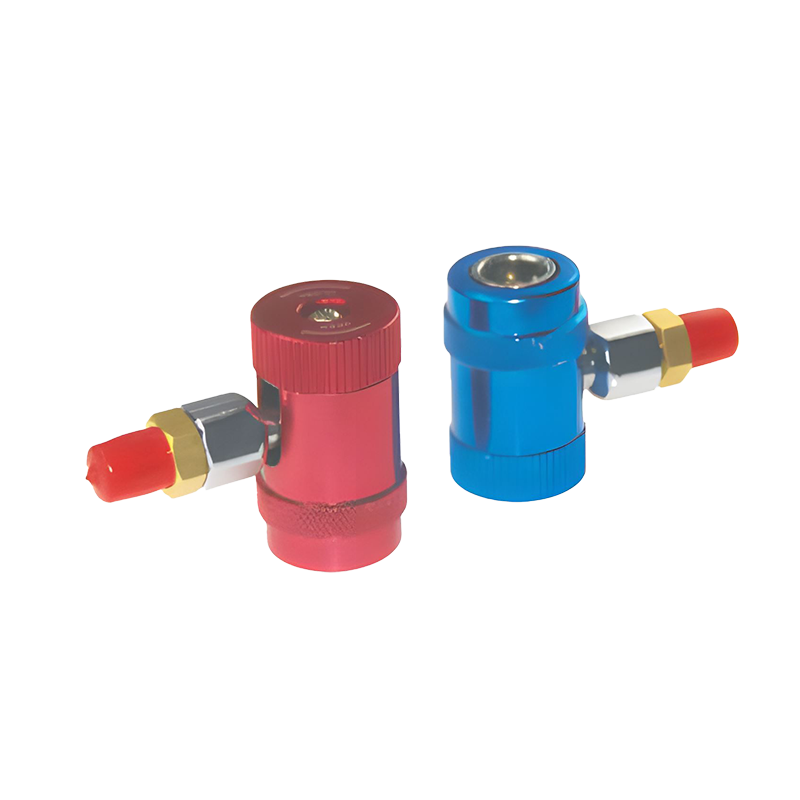
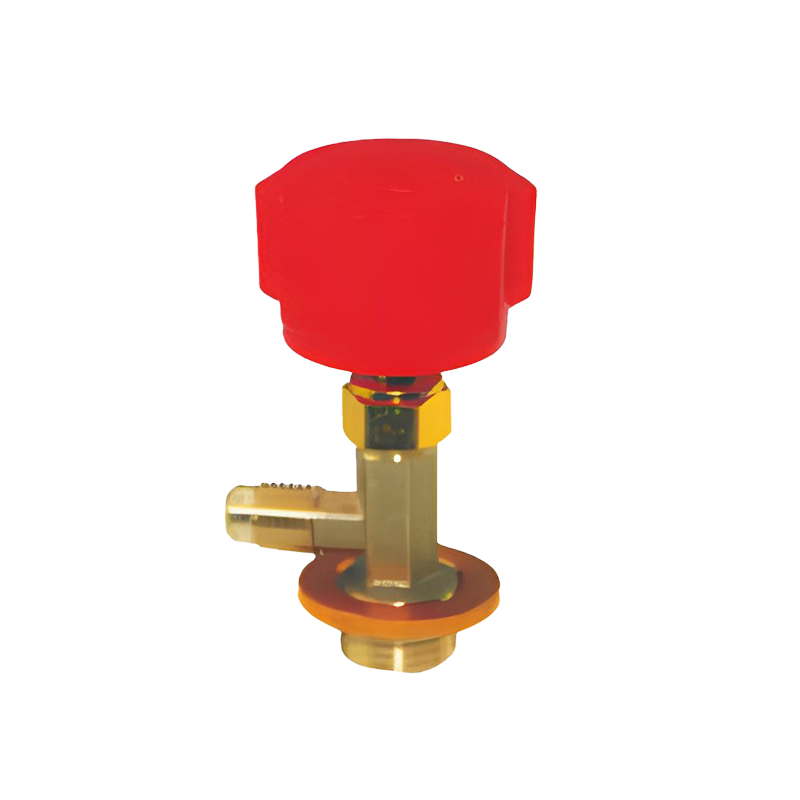
Think of this retention control valve as a smart gatekeeper for your charging lines. Its main job is to stop refrigerant from blasting out when you unhook your hoses, which saves you money on lost gas and keeps you from venting nasty chemicals into the air. You usually throw this inline on your high-pressure side, and it's engineered to stay shut tight until the line pressure is balanced and ready to take the charge.
Key Features
1. Accurate throttling
The knob turns smoothly so you can bleed in gas with real precision, making sure you don't overshoot your target weight. Having that level of control helps you hit the right system pressures and temperatures without a bunch of back-and-forth guessing.
2. Keeps the gas inside the lines
The core reason to use a retention valve is to stop those annoying, freezing blasts of freon when you disconnect. It traps the residual pressure inside the core, meaning nothing escapes into the shop air, saving your material budget and your knuckles.
3. Not picky about the refrigerant
The internal seals and materials are chosen to handle a wide variety of gases. It works just fine whether you are hooking up to an older vehicle or dealing with newer, environmentally friendlier blends that require specialized handling.
4. Built for truck bed abuse
We machined the housing out of heavy-duty brass or hard metal stock because cheap fittings just strip or split under high temperatures and line pressures. It handles the drops, grease, and rough garage environment without wearing loose or losing its seal.
5. Fast hookups
The connection threads are clean and quick to spin on. You can snap it inline and pull it back off without wasting ten minutes fighting a sticky fitting, which keeps your service runs moving along nicely when the shop gets backed up.
6. Forgiving safety margins
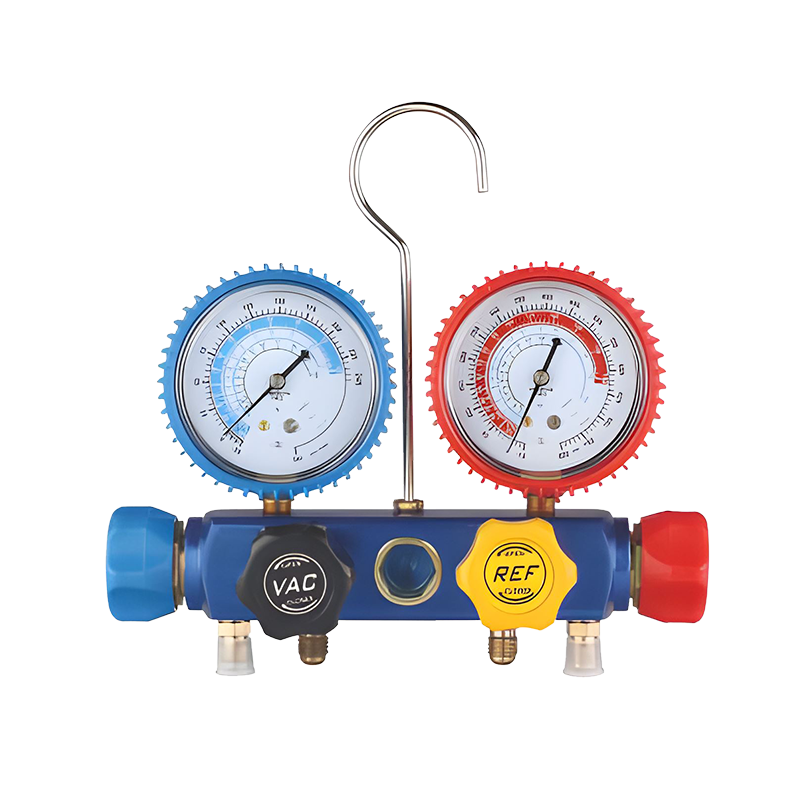
It acts as a buffer to help prevent accidental overcharging or sudden pressure spikes from hammering your manifold gauges. The valve body handles the high-side pressure naturally, so you can dump gas safely without worrying about a sudden blowout.
7. Keeps your shop compliant
Venting laws are getting stricter everywhere, and this valve is a simple way to keep your shop out of trouble. By locking down the connection points, it cuts out accidental atmospheric venting and keeps your workspace a whole lot cleaner.
Applications
You are going to find this little adapter rolling around in any toolbox meant for automotive A/C work. It's pretty much essential for:
- Opening up and servicing car climate control loops without losing the charge.
- Feeding the initial factory charge into new vehicle assemblies down the line.
- Upgrading older vehicle systems to run on modern, low-emission gases.
- Troubleshooting weird restriction issues and pressure drops on the manifold.


 English
 русский
 Español