Feb 20, 2026
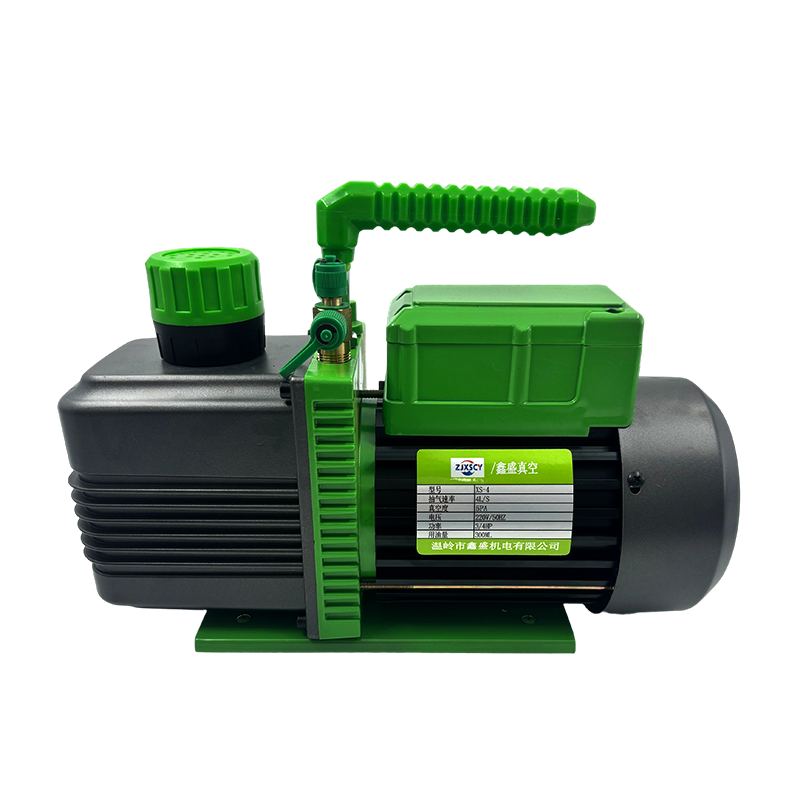
Rotary vane vacuum pumps manufacturer are widely used in industrial and laboratory applications due to their relatively simple structure, stable performance, and reasonable cost. However, like any mechanical equipment, they have certain limitations that users should be aware of.
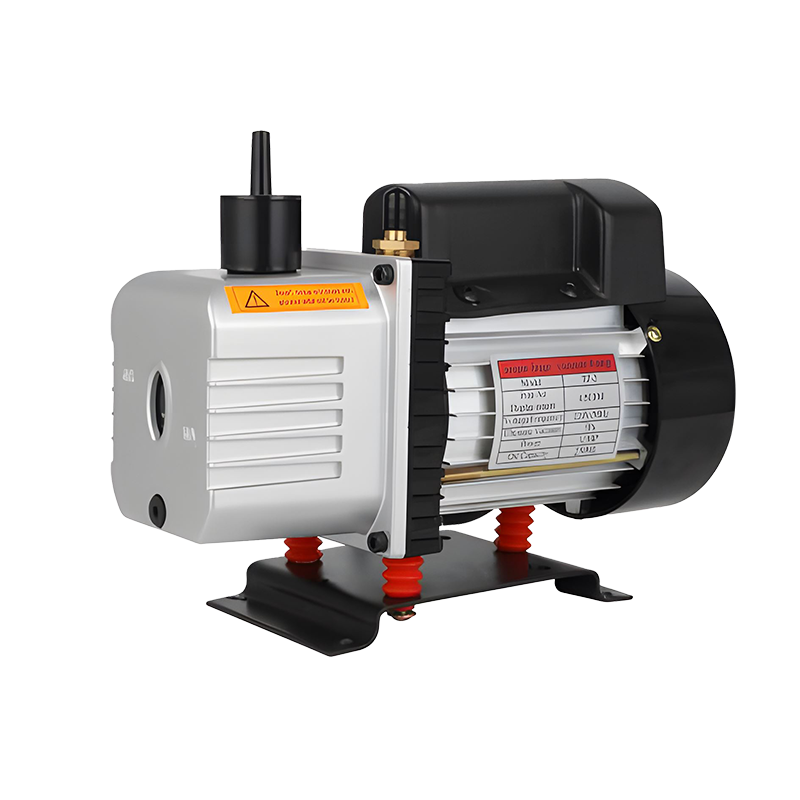
Rotary vane vacuum pumps are reliable, but they also have limitations that can affect performance and maintenance costs. One key drawback is their sensitivity to contamination. Because the pump relies on close clearances between the rotor, vanes, and cylinder, solid particles, dust, or chemical vapors can cause wear and damage. If the pumped gas contains abrasive or corrosive substances, the pump's internal components may wear quickly, reduced vacuum performance and increased maintenance.
Another drawback is the need for regular maintenance. Rotary vane pumps typically require frequent oil changes and periodic replacement of vanes. If maintenance is neglected, oil contamination, varnish buildup, or vane wear can reduce pumping efficiency and shorten service life. Additionally, oil-sealed rotary vane pumps may produce oil vapor in the exhaust, requiring filters or traps to prevent pollution and protect downstream equipment.
Finally, rotary vane pumps have limitations in achieving very high vacuum levels. They are generally suitable for rough to medium vacuum ranges, but for ultra-high vacuum applications, other technologies such as diffusion pumps or turbo molecular pumps are more appropriate.
Choose the Right Pump Type for the Application
Rotary vane pumps are suited for rough and medium vacuum needs, such as refrigeration systems, packaging, and laboratory vacuum systems. For high or ultra-high vacuum requirements, other pump types should be considered.
Understand the Importance of Oil Quality
Many rotary vane pumps are oil-sealed. The oil not only lubricates moving parts but also helps seal the pump chamber. Using the correct oil grade and changing it regularly is essential to maintain vacuum performance and prevent contamination.
Control Inlet Conditions
Avoid pumping corrosive, abrasive, or sticky gases without proper pre-treatment. Use filters, traps, or scrubbers when necessary. Condensable vapors should be condensed or trapped before entering the pump to prevent oil contamination.
Install Proper Exhaust Protection
The pump exhaust may contain oil mist. Installing an exhaust filter or oil mist eliminator reduces environmental impact and protects downstream equipment.
Follow Regular Maintenance Schedules
Replace worn vanes, clean internal parts, and inspect seals periodically. Proper maintenance extends service life and maintains stable vacuum performance.
1. Noise and Vibration Management
Rotary vane vacuum pumps often generate noticeable noise and vibration during operation. This is a normal characteristic of mechanical pumps, but it can impact workplace comfort and equipment stability. To reduce these effects, users should install the pump on vibration-damping pads and ensure secure mounting. In addition, selecting pumps with balanced rotors and properly aligned drive systems can minimize vibration.
For indoor installations or noise-sensitive environments, sound insulation enclosures can be used. It is also important to avoid running the pump under conditions that cause excessive load, such as frequent starts and stops, which can increase noise and wear.
2. Environmental and Safety Considerations
Because rotary vane pumps may emit oil mist and vapor, they require attention to environmental and safety requirements. Proper ventilation and exhaust treatment can reduce workplace contamination. When pumping gases with hazardous or toxic components, the exhaust should be treated or routed to a safe location. Users should also pay attention to oil leakage, especially during maintenance, and ensure that oil disposal follows local regulations.
Rotary vane vacuum pumps offer stable performance and cost-effectiveness but require careful selection, proper maintenance, and appropriate safety measures. Understanding their limitations and operating requirements helps ensure reliable and long-term operation.
Related Products

Chengbei Industrial Zone, Xinhe Town, Wenling City, Zhejiang Province, China
Copyright © Wenling Xinsheng Mechanical and Electrical Co., Ltd. All Rights Reserved.



 English
 русский
 Español