May 01, 2026
A typical flaring and pipe cutting tool set contains several specialized tools designed for cutting, flaring, and deburring pipes to ensure secure and leak-free connections. Below are the key tools commonly found in these sets:
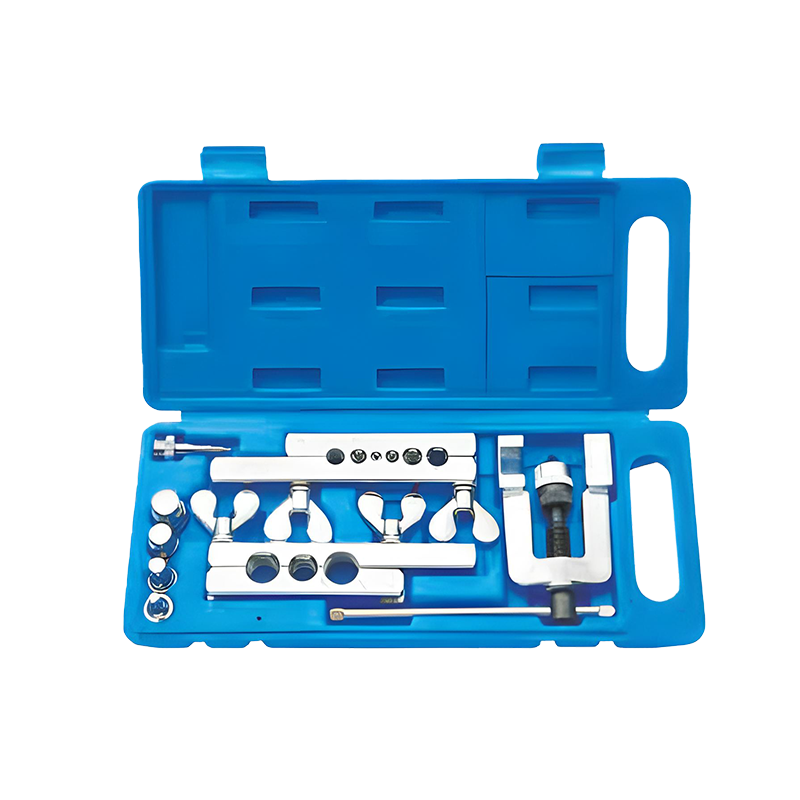
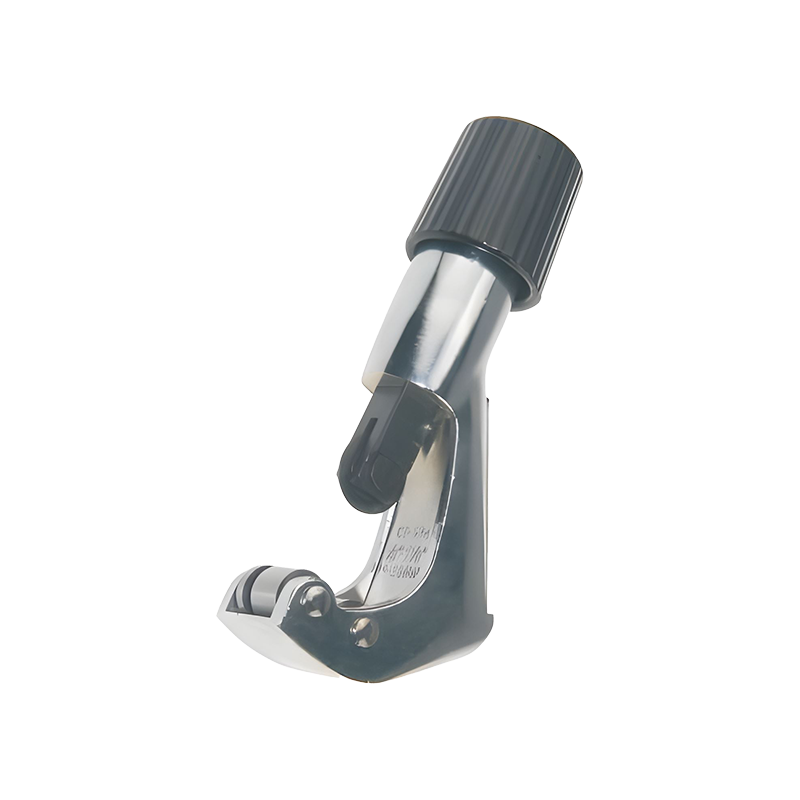
· Pipe Cutter: This tool is used to cut pipes of various materials, including copper, aluminum, and steel. It provides a clean, straight cut and helps maintain the integrity of the pipe. Pipe cutters are usually equipped with adjustable mechanisms to handle different pipe sizes.
· Flaring Tool: A flaring tool is used to create a flared end on a pipe, enabling it to form a tight, secure connection when paired with a flare fitting. The tool typically includes a cone, a clamp, and a yoke to hold the pipe in place during the flaring process.
· Deburring Tool: After cutting a pipe, it's essential to smooth the edges to prevent damage to seals or fittings. A deburring tool helps remove any rough edges or burrs from the inside and outside of the pipe.
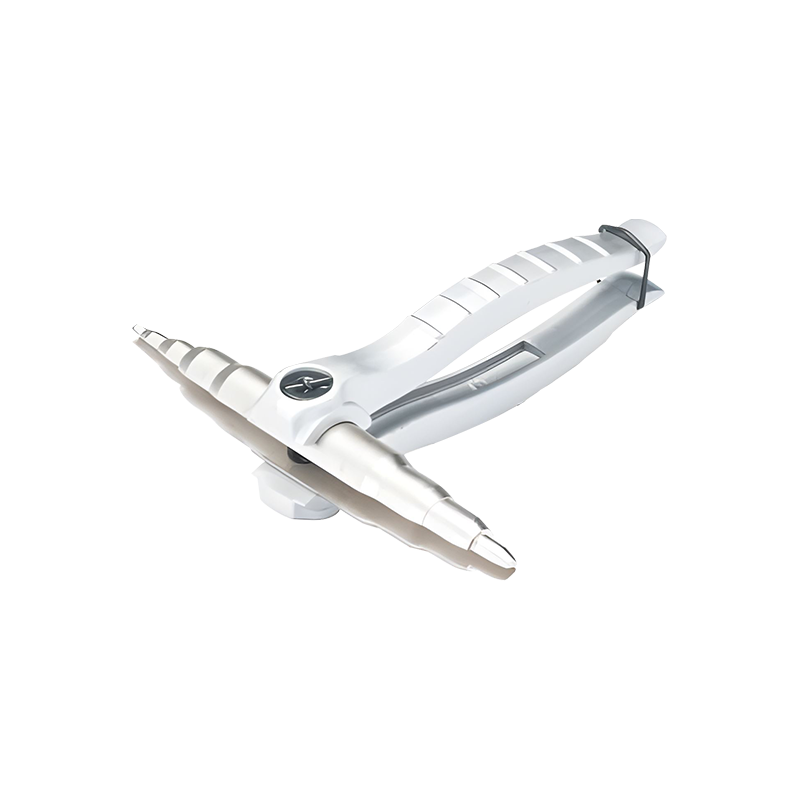
· Swaging Tool: This tool is used to expand or reduce the diameter of a pipe to fit into other fittings. Swaging is particularly useful for creating a tight connection between pipes of different sizes.
Flaring and pipe cutting tools are used in various stages of installing and maintaining piping systems. Their applications ensure that pipes are properly cut and shaped for efficient connections.
· Pipe Cutting: The pipe cutter is used to cleanly cut pipes to the required length. This is essential when installing new systems or when replacing damaged sections of pipe. A clean, straight cut ensures that fittings can be installed easily and that there is no stress placed on the pipe at the connection point.
· Flaring for Connections: The flaring tool is used to flare the end of a pipe to create a wider, more secure surface for attaching flare fittings. This is a common technique used in refrigeration, plumbing, and HVAC systems where a durable connection is necessary to prevent leaks.
· Deburring: After cutting, the deburring tool ensures that there are no sharp edges that could damage other components, such as gaskets or seals, which could lead to leaks. It ensures the smooth operation of the system and increases the longevity of the piping.
· Swaging: The swaging tool is often used when pipes need to be joined, especially when they have different diameters. By swaging, you can expand one pipe to fit another, ensuring a secure and tight connection.
· Pipe cutters are versatile tools and can typically be used on a wide range of pipes, including:
Copper pipes: Common in plumbing and HVAC systems.
Aluminum pipes: Used for lightweight and corrosion-resistant applications.
Steel pipes: Often used in industrial systems, though a more robust cutter may be required for larger diameters.
PVC pipes: Common in plumbing and irrigation systems.
· It is important to select the appropriate pipe cutter for the material and size of the pipe being cut.
· Step-by-Step Process:
Select the appropriate die size based on the pipe diameter.
Insert the pipe into the tool: Ensure the pipe is cut cleanly and the edges are smooth before inserting it into the flaring tool.
Tighten the clamp: Secure the pipe in place so it does not move during the flaring process.
Flare the pipe: Turn the yoke to press the flaring cone into the pipe, creating a flare at the end. Be careful not to over-flare the pipe, as it may damage the material or cause an improper fit with the flare fitting.
Check the flare: The flare should be uniform and free from any cracks. You can use a caliper to ensure that the flare meets the required specifications.
· Regular maintenance is essential to ensure that your tools perform optimally over time.
Clean after use: Always clean the tools after use to prevent dirt, debris, or rust buildup. This is especially important for pipe cutters and bender tools.
Lubricate moving parts: Periodically lubricate any moving parts on the tools, such as the yoke on the flaring tool or the cutting wheel on the pipe cutter.
Sharpen or replace blades: Over time, the cutting blades on pipe cutters can become dull. Regularly check the blades and replace them when necessary to maintain cutting accuracy.
Store properly: Keep tools in a dry, cool place to prevent rust and corrosion. A tool chest with compartments is ideal for organizing and storing the tools safely.
Related Products

Chengbei Industrial Zone, Xinhe Town, Wenling City, Zhejiang Province, China
Copyright © Wenling Xinsheng Mechanical and Electrical Co., Ltd. All Rights Reserved.



 English
 русский
 Español