Feb 24, 2026
Purpose and Functionality
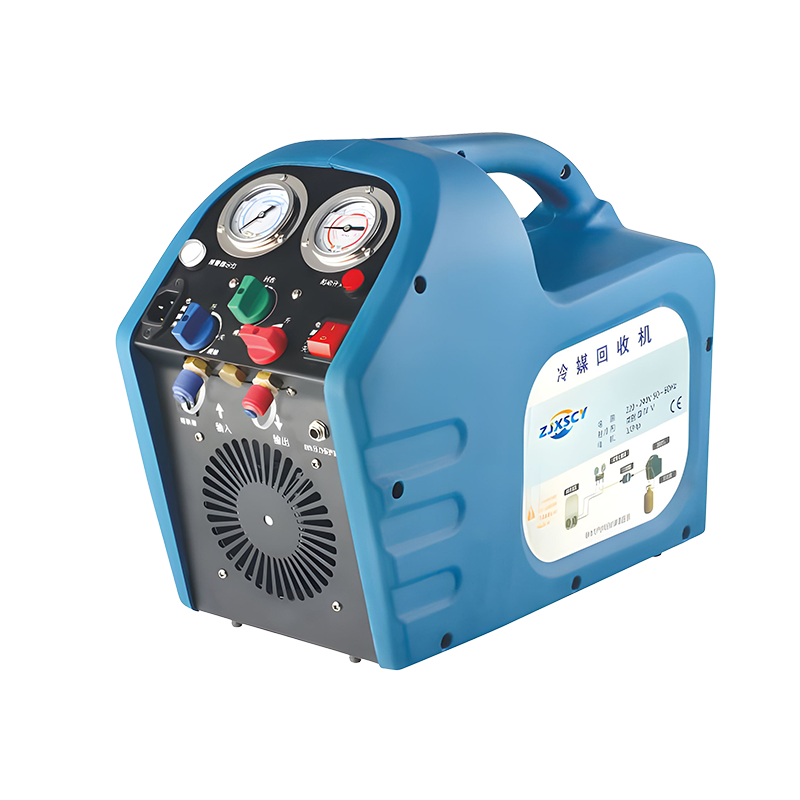
HVAC refrigerant recovery machines are designed specifically to recover, store, and transfer refrigerants while environmental impact. Unlike standard vacuum pumps or compressors, these machines prioritize refrigerant containment and safety.
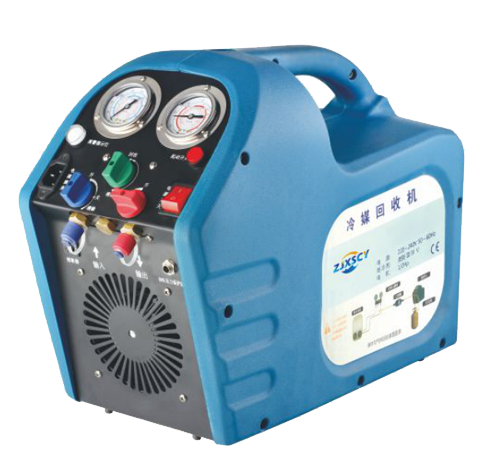
Recovery vs. Evacuation: Recovery machines remove refrigerants from systems, allowing them to be stored or recycled, whereas vacuum pumps primarily evacuate air and moisture from systems.
Safe Handling: Recovery machines are equipped with filters and storage tanks to prevent leaks and contamination, ensuring refrigerants are not released into the atmosphere.
Regulatory Compliance: These machines are built to comply with environmental regulations such as EPA 608 in the United States, which is not a requirement for general-purpose pumps.
Design and Operation
The design of HVAC refrigerant recovery machines reflects their specialized role. They often include dual-stage compressors, integrated gauges, and safety valves that are uncommon in standard recovery or pumping devices.
Dual-Stage Compression: This allows machines to recover refrigerants efficiently, even from low-pressure systems, without compromising the integrity of the refrigerant.
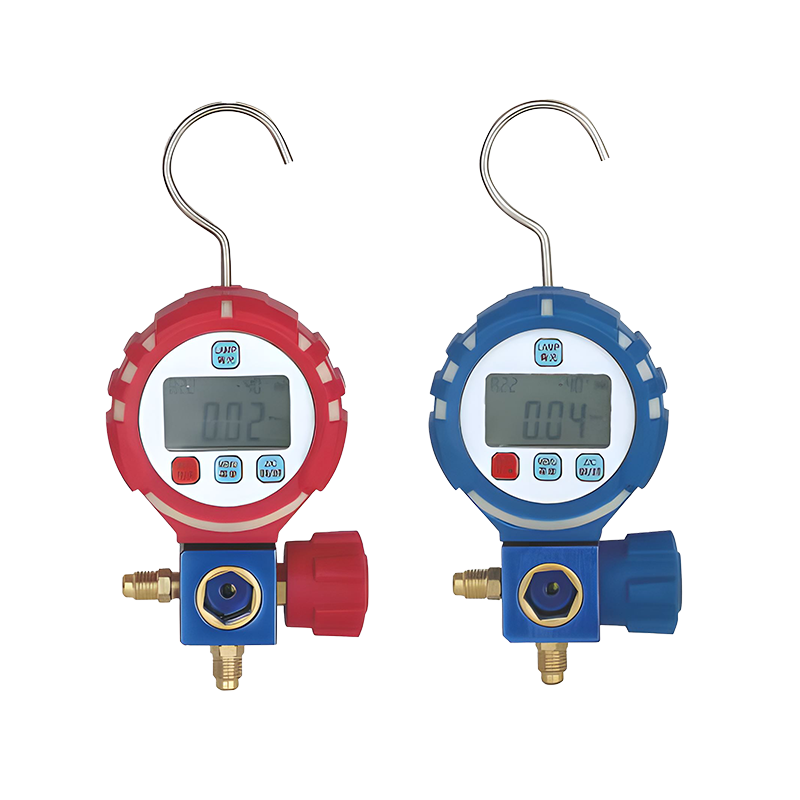
Integrated Controls: Modern recovery machines include digital or analog displays for pressure, temperature, and recovery progress, enabling precise operation.
Portability and Adaptability: Recovery machines are typically portable for use across different sites, while larger pumps or compressors may remain fixed in one location.
Efficiency and Safety Considerations
Compared with standard pumps or compressors, HVAC refrigerant recovery machines are optimized for energy efficiency, refrigerant protection, and user safety.
Leak Prevention: Sealed connections and high-quality hoses prevent accidental release of refrigerants.
Energy Efficiency: Optimized compressors reduce power consumption during extended recovery operations.
User Safety: Safety shutoffs and overload protection prevent overheating or system damage during use.
These differences make HVAC refrigerant recovery machines ideal for technicians handling sensitive refrigerants and complex HVAC systems.
Refrigerant Reclamation and Reuse
These machines allow recovered refrigerants to be filtered and reused in other systems, reducing environmental impact and operating costs.
They are particularly valuable in retrofitting or maintaining existing HVAC systems where refrigerant preservation is a priority.
Safe System Maintenance
Technicians use recovery machines to remove refrigerants before repairs or component replacement.
Proper removal prevents exposure to harmful chemicals and avoids regulatory violations.
Versatility Across Systems
Recovery machines work with multiple refrigerant types, including R134a, R410A, and R32, making them adaptable for residential, commercial, and industrial HVAC systems.
Some machines include dual ports to recover from systems with multiple lines simultaneously, increasing efficiency.
Diagnostic Support
By measuring pressures during recovery, technicians can assess system leaks, contamination, or performance issues.
This dual function—recovery and diagnostic support—distinguishes these machines from standard pumps, which lack integrated measurement capabilities.
Regulatory Compliance
These machines are specifically designed to meet environmental standards, whereas other pumps or compressors may not.
Operational Safety
Recovery machines include multiple safeguards to protect both the operator and the system, unlike general-purpose pumps.
Efficiency and Versatility
HVAC recovery machines are optimized for multiple refrigerants, low- and high-pressure systems, and rapid transfer, unlike simpler devices designed for single tasks.
Maintenance Practices
Regular filter replacement, oil checks, and hose inspection maintain performance, while standard pumps may not require such attention due to less critical applications.
HVAC refrigerant recovery machines stand out from other pumps and compressors due to their specialized design, regulatory compliance, safety features, and adaptability. They ensure efficient and environmentally responsible handling of refrigerants while supporting diagnostic and maintenance operations. Understanding these distinctions is essential for HVAC professionals seeking reliable, safe, and cost-effective solutions for refrigerant management.
Related Products

Chengbei Industrial Zone, Xinhe Town, Wenling City, Zhejiang Province, China
Copyright © Wenling Xinsheng Mechanical and Electrical Co., Ltd. All Rights Reserved.



 English
 русский
 Español