Feb 06, 2026
Accuracy is one of the frequently discussed topics because weighing results directly affect inventory management, pricing, and compliance. Refrigeration electronic scales are designed to maintain accuracy even in low-temperature environments, but several factors influence their performance.
Temperature can affect sensor sensitivity and display stability. To maintain accuracy, many refrigeration scales use temperature-compensated load cells and high-quality electronics that minimize drift. Calibration is also essential. Regular calibration ensures the scale provides reliable readings, especially when used in environments with frequent temperature fluctuations.
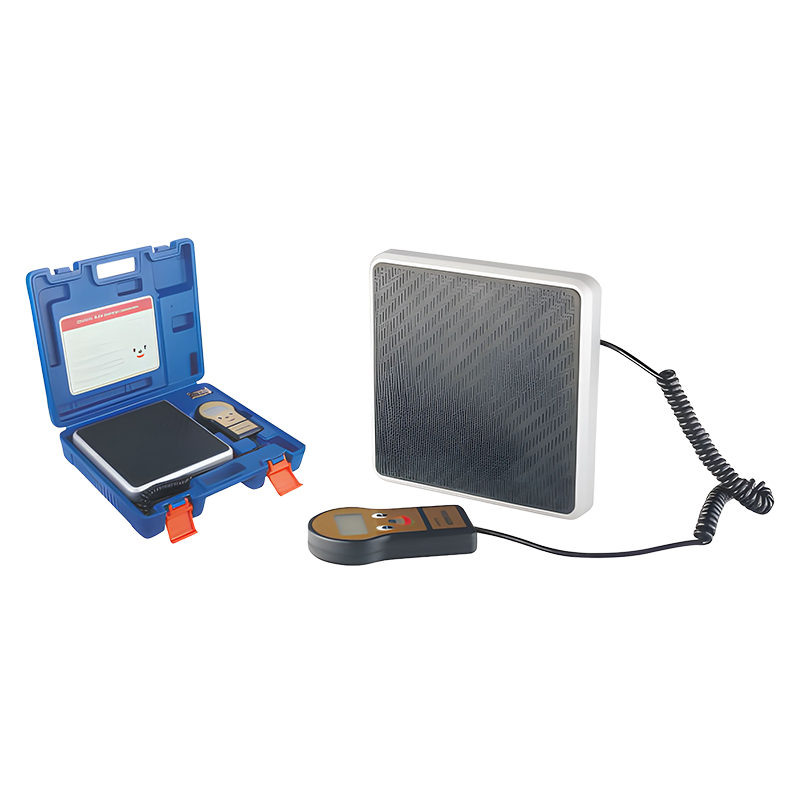
Additionally, the scale's placement matters. Uneven surfaces or vibration from refrigeration units can affect weighing results. Therefore, proper installation and periodic calibration are important to maintain measurement accuracy.
Durability is a key concern because refrigeration environments can be harsh. Low temperatures, humidity, and condensation can impact electronic components if the scale is not designed for such conditions. Refrigeration electronic scales typically use sealed housings, corrosion-resistant materials, and protected keypads to reduce the risk of moisture damage.
Resistance to Condensation and Moisture
Condensation can form when warm air contacts cold surfaces. Scales designed for refrigeration often have protective sealing and drainage features to prevent moisture buildup.
Material Selection
Stainless steel platforms and sealed electronics are common in refrigeration scales to prevent rust and corrosion.
Temperature Range
Refrigeration scales are designed to operate within specific temperature ranges. Using a scale beyond its rated range can bring about reduced performance or failure.
Durability depends on design quality and proper use within the specified temperature range.
Energy consumption is a growing concern for businesses seeking to reduce operating costs and improve sustainability. While refrigeration electronic scales themselves do not consume large amounts of power, their power supply and display systems must be suitable for continuous operation in cold environments.
Some scales use rechargeable batteries or external power adapters. Battery-powered scales offer flexibility but require regular charging or replacement, which can affect productivity. Scales with external power are more stable but need reliable power sources and may require waterproof connectors to prevent moisture damage.
Energy-efficient design, such as low-power displays and automatic standby modes, can reduce energy use and extend battery life. For high-usage environments, choosing a scale with efficient power management can improve operational efficiency.
Data management is an increasingly important topic as businesses digitize operations and integrate weighing data into inventory systems. Modern refrigeration electronic scales often support connectivity options such as USB, RS232, or wireless communication. These features enable automatic data transfer to computers, POS systems, or cloud platforms.
Traceability and Record Keeping
Digital records help businesses maintain accurate inventory logs and support regulatory compliance.
Integration with Management Systems
Connecting scales to inventory or sales systems reduces manual entry errors and improves efficiency.
Security and Reliability
Data transmission should be stable and secure. Proper cabling and shielding help prevent signal interference, especially in environments with heavy machinery or refrigeration equipment.
As technology advances, data connectivity becomes a standard expectation for modern refrigeration electronic scales.
Related Products

Chengbei Industrial Zone, Xinhe Town, Wenling City, Zhejiang Province, China
Copyright © Wenling Xinsheng Mechanical and Electrical Co., Ltd. All Rights Reserved.



 English
 русский
 Español