Jul 17, 2026
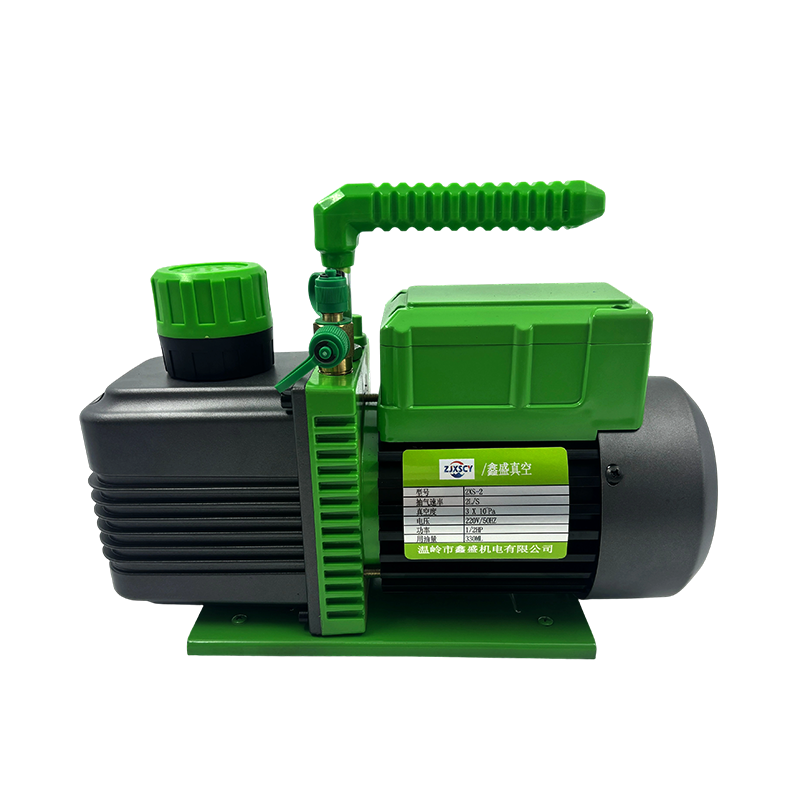
Air conditioning systems demand careful handling throughout installation, repair, and routine maintenance, and many problems that surface after servicing trace back not to the visible components but to the preparation work done beforehand. A Vacuum Pump for Air Conditioning Service plays a real part in that preparation, clearing unwanted air and moisture out of the system before it's put into operation, since skipping that step tends to leave equipment underperforming from the start. Picking a suitable pump isn't just about finding something that creates suction — working conditions, equipment compatibility, maintenance habits, and how often the tool gets used all shape which pump actually makes sense, and the details behind daily use tend to matter more than a glossy product description ever could.
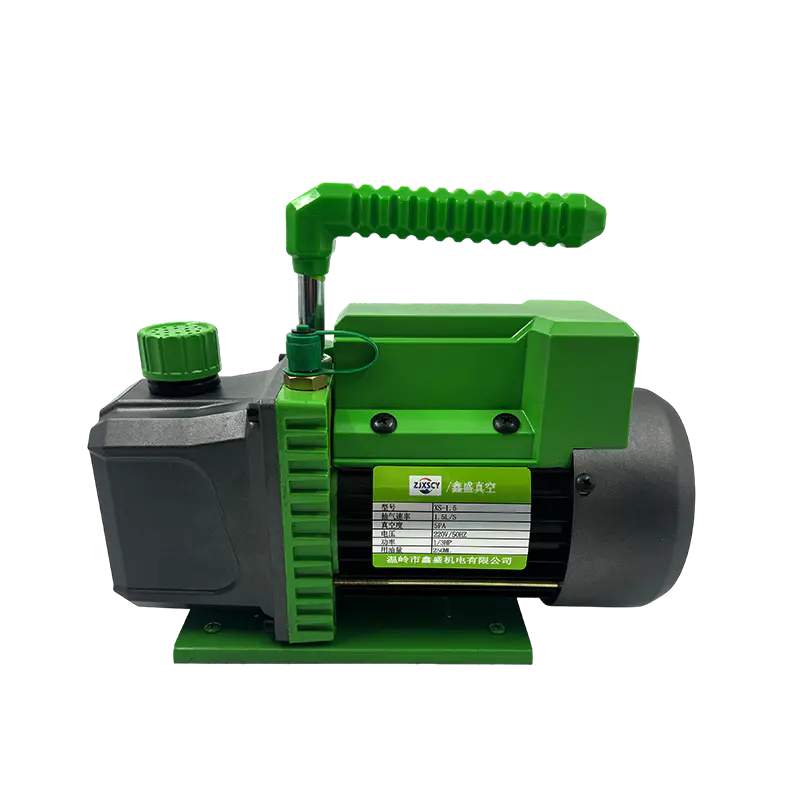
Understanding why this tool gets used in the first place helps before diving into selection.
Whenever an air conditioning system gets opened up for installation or repair, air and moisture find their way in whether anyone wants them there or not. A vacuum pump clears those elements out before the system starts running normally, supporting a cleaner setup and creating better conditions for the refrigerant cycle to work as it should.
Technicians reach for a vacuum pump across a range of jobs. New installations need the system prepped before it's switched on. Repair work relies on the pump to support recovery once servicing wraps up. Routine maintenance uses it to check and prepare equipment along the way, and system replacements lean on it during setup as well.
The action itself is simple enough, but its place in the broader service process carries real weight — how well the preparation goes tends to shape how the whole system performs afterward. For a technician, this pump isn't just another item rattling around in the toolbox. It's part of what makes the service genuinely professional.
Where and how someone actually works ranks among the biggest factors in choosing a pump.
A technician bouncing between job sites tends to value portability and equipment that's simple to operate on the fly. A workshop handling steady, repeated service work often cares more about long-term durability and easy upkeep. The conditions surrounding the work itself shape what a practical choice even looks like.
Worth asking: will this pump travel between different locations? Is the work mostly installation, repair, or maintenance? How frequently will it actually run? Do storage and transportation factor into daily logistics?
A pump that suits one setting won't necessarily feel right in another. Someone constantly on the road might lean toward equipment that's easy to carry and keep organized, while a technician working from a fixed location has entirely different priorities since the tool never really leaves its spot.
Getting a clear read on daily workflow keeps buyers from choosing a pump based on generic feature lists alone. The pump that fits best is usually just the one that matches how the work actually happens.
Performance matters, sure, but it's worth approaching from a practical angle rather than a spec-sheet mindset.
A pump has to hold up to whatever demands the serviced systems place on it — matched to the actual work rather than picked without much thought behind it. Several things shape that fit: the purpose behind the service job, since different tasks call for different capabilities; how often the equipment runs, because regular use raises different questions than occasional use does; the type of system being serviced, since needs shift from one setup to another; and the operator's own habits, since experience shapes what actually works well in someone's hands.
Some buyers get fixated on individual features and lose sight of the bigger picture. A pump loaded with functions isn't automatically the right pick if none of those extras line up with the actual work being done — practical compatibility usually outweighs a longer feature list.
Technicians tend to know their own needs through hands-on experience. They've seen the systems they typically handle, the conditions they work under, and the headaches that tend to crop up mid-service. That knowledge counts for a lot when weighing different pump options against each other.
Air conditioning service involves a fair amount of moving around. Tools travel between storage, vehicles, and whatever job site comes next, so the physical design of a vacuum pump ends up affecting daily convenience more than people initially expect.
A pump that's easier to handle cuts down on wasted effort during transport and setup. A pump anchored to a fixed workshop, on the other hand, doesn't need to carry that same burden of mobility.
Portability tends to come down to a handful of things: how easy the pump is to carry, how conveniently it stores, how simply it connects during use, and how comfortable it feels to handle throughout a job.
The working environment usually settles which of these matters most. Mobile service work demands that every tool fit into a workflow that keeps moving — a pump that's a hassle to move or store becomes a recurring annoyance. Workshop-based operations, meanwhile, tend to prioritize different things, like how accessible the pump is for maintenance or how it holds up over long stretches of use.
No single design fits every situation here. It comes down to how the equipment actually gets used day to day.
A vacuum pump is a working tool, and like anything used regularly, it needs care to keep performing.
Maintenance tends to go smoother when users have a clear sense of the equipment's condition and stick to regular inspection habits. Before buying, it's worth thinking through how convenient the pump will actually be to maintain.
A few areas deserve attention: cleaning, since easy access makes routine care far less of a chore; inspection, since users need a straightforward way to check the equipment's condition; storage, because proper storage protects the tool between jobs; and future replacement needs, which should stay manageable rather than becoming a headache down the road.
A tool that's simple to maintain tends to cut down on unnecessary interruptions during service work. Technicians often catch small changes through everyday use — a different operating sound, an odd movement, a sluggish response — and these details can hint that something needs attention before it turns into a bigger problem. Maintenance isn't only about fixing what's already broken; it's also about keeping the tool ready for whenever the next job comes along.
Compatibility is one area that shouldn't get brushed aside.
A vacuum pump needs to work cleanly with the air conditioning systems and service tools already in play — connections, workflow, and operating methods all need to line up. Before buying, it helps to have a clear sense of the systems typically being serviced, the tools already on hand, how the pump will slot into current procedures, and whether service needs might shift down the line.
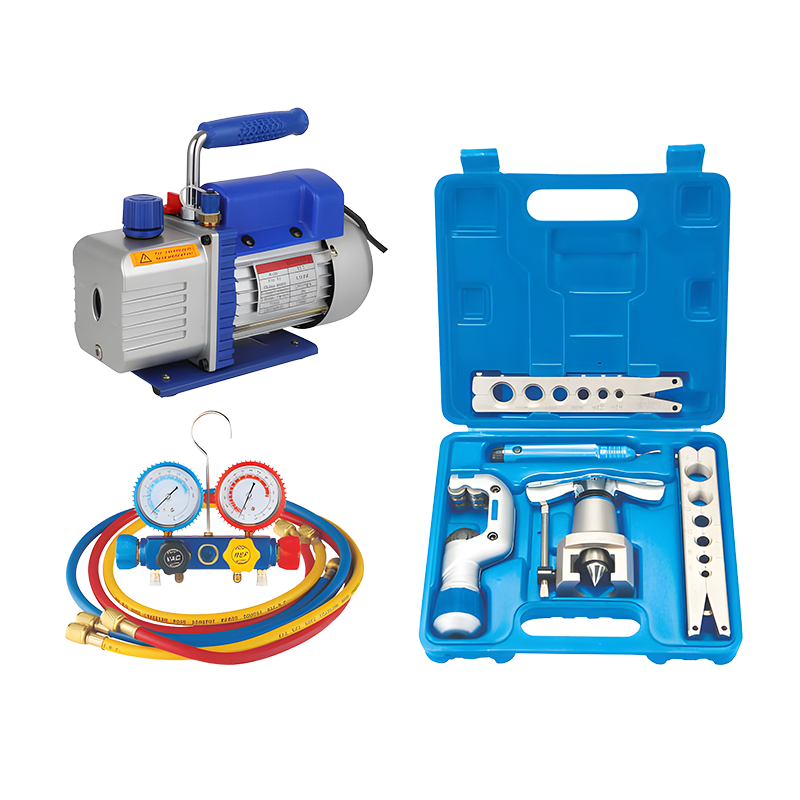
A common misstep is picking a pump without weighing the full service process. The pump is only one piece of the puzzle — hoses, gauges, connection methods, and a technician's own habits all shape how smoothly a job actually goes. A well-matched tool folds into an efficient workflow without friction, while a poor match tends to generate extra steps and unnecessary fiddling. That's exactly why experienced technicians tend to weigh the entire service environment before committing to a purchase.
Picking a vacuum pump without enough groundwork tends to cause trouble down the line.
Fixating purely on price is one common misstep. Budget matters, sure, but the decision should also weigh how the tool will hold up over months and years of use. Ignoring future needs is another — service work shifts as technicians take on different systems or new kinds of projects.
Selection issues tend to repeat themselves in familiar ways: skipping a compatibility check, brushing past maintenance requirements, overlooking transportation needs, or choosing based on looks alone. A more deliberate evaluation process helps sidestep these traps.
It's also worth listening to people who handle air conditioning service regularly. Practical, hands-on experience tends to surface details that are easy to miss during a quick round of research. The right pump isn't necessarily the one loaded with the most features — it's the one that actually fits how someone works.
Before locking in a purchase, it helps to take stock of actual service needs. What types of air conditioning systems will this pump be servicing? Where will it usually be used? How often will it run? How much upkeep is realistically manageable? Does it fit into procedures already in place?
These questions sharpen the picture of what kind of equipment genuinely fits the job. For professionals, a vacuum pump is one piece of a larger service system, and it needs to support the way work actually happens day to day. Choosing a suitable Vacuum Pump for Air Conditioning Service comes down to weighing working conditions, compatibility, maintenance demands, and personal habits together, and a thoughtful selection process helps technicians land on equipment that genuinely matches their tasks and supports smoother air conditioning work over time.
Related Products

Chengbei Industrial Zone, Xinhe Town, Wenling City, Zhejiang Province, China
Copyright © Wenling Xinsheng Mechanical and Electrical Co., Ltd. All Rights Reserved.



 English
 русский
 Español