Jul 10, 2026
Spec sheets full of numbers that look impressive but don't actually tell you whether a pump fits your application — that's the wall a lot of buyers hit right before making a costly mistake. A Vacuum Pump Single Stage unit might look perfectly capable on paper, and still leave your process struggling if vacuum level and flow rate weren't weighed against each other properly. If you've ever stared at two pump listings wondering why one costs twice as much despite similar looking specs, this untangles what those numbers actually mean and how they should guide your decision.
These two terms sound like they should describe roughly the same thing. They don't, not really. Vacuum level tells you how low the pressure can drop — essentially, how close to a true vacuum the pump can pull. Flow rate, on the other hand, tells you how fast the pump moves air or gas out of the system to get there.
Think of it this way: vacuum level is the destination, flow rate is how quickly you arrive. A pump could technically reach an impressively low pressure but take forever getting there if its flow rate is weak. Conversely, a pump might evacuate a chamber quickly but plateau at a pressure that's nowhere near low enough for your process.
Buyers who focus on just one metric, ignoring the other, tend to end up with equipment that's either painfully slow or simply incapable of hitting the pressure their application actually demands.
Ultimate vacuum, sometimes called the pump's vacuum limit, depends heavily on internal design — how tightly the mechanism seals, how many compression stages it uses, and what kind of tolerances the manufacturer holds during production.
A few factors that shape this number:
It's worth noting that ultimate vacuum figures on a spec sheet usually represent ideal conditions. Real world performance often falls short of that number once you factor in system leaks, contamination, or aging seals — something buyers sometimes forget when comparing numbers side by side.
Flow rate, sometimes expressed as pumping speed, reflects how much volume the pump can move per unit of time. It's influenced by different factors than vacuum level, which is exactly why the two numbers don't move in lockstep with each other.
Key influences on flow rate include:
That last point matters more than people expect. A pump doesn't maintain constant flow rate throughout an evacuation cycle — it moves air quickly at higher pressures and gradually slows as it approaches its ultimate vacuum. This is why a performance curve, rather than a single number, gives a more honest picture of how a pump actually behaves across an entire cycle.
It's tempting, sure, but chasing the highest vacuum level and highest flow rate simultaneously usually means paying for capability your application doesn't need. Higher performing pumps across both metrics tend to cost more, draw more power, and sometimes require more maintenance than a properly matched, more modest unit would.
Matching pump capability to actual process requirements, rather than defaulting to whatever specs look most impressive, tends to be where real cost efficiency lives.
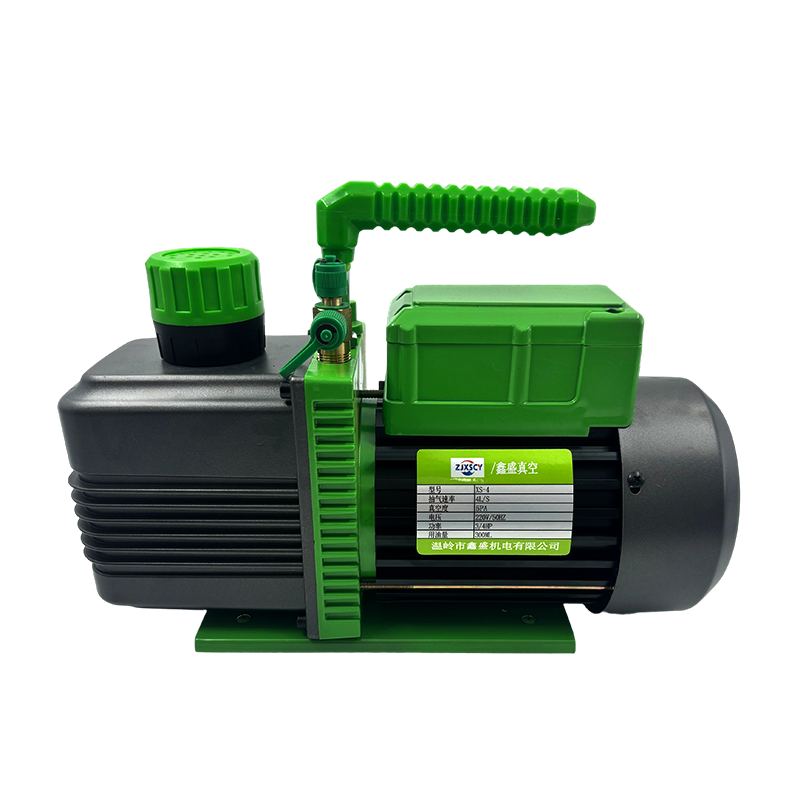
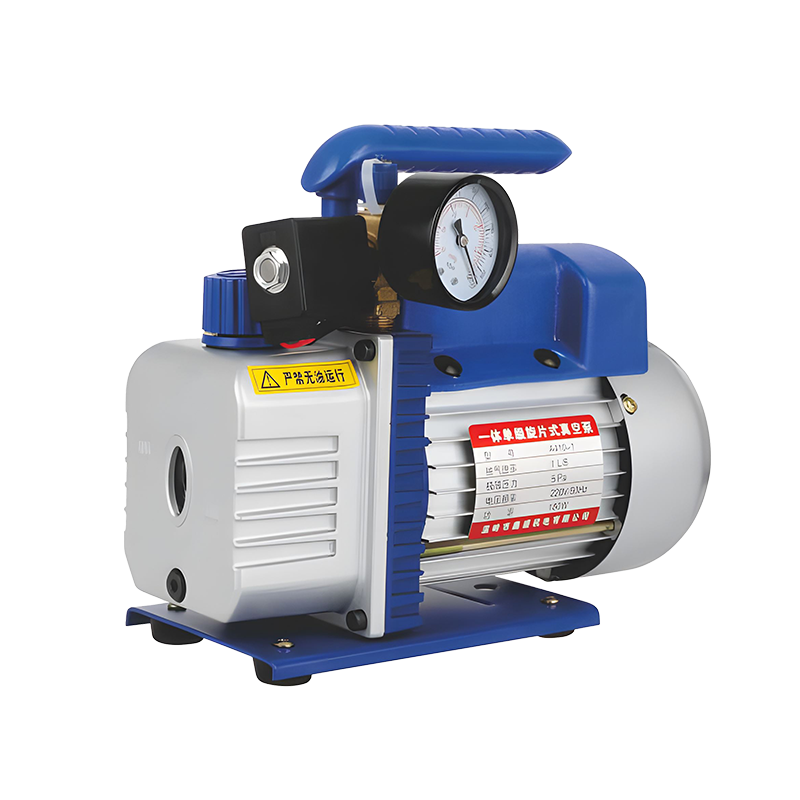
A Vacuum Pump Single Stage design compresses gas through one stage before exhausting it, making it mechanically simpler than multi stage alternatives. That simplicity translates into a few practical characteristics worth understanding before selecting one.
Single stage pumps typically offer:
For applications that don't require an extremely deep vacuum, a single stage unit often delivers everything needed without paying for capability that goes unused. Where processes demand a considerably lower ultimate pressure, though, a two stage design usually becomes the more sensible choice.
| Application Type | Priority Emphasis | Typical Pump Fit |
|---|---|---|
| HVAC and Refrigeration Service | Vacuum level, removing moisture and air thoroughly | Vacuum pump for air conditioning service |
| Packaging and Food Sealing | Flow rate, cycling quickly between products | Single-stage or rotary vane designs |
| Laboratory and Medical Use | Vacuum level, precise low-pressure control | Two-stage or specialized configurations |
| CNC and General Industrial | Balanced flow rate and moderate vacuum | Rotary vane vacuum pump options |
| Custom Process Applications | Varies, often requiring tailored specification | Custom vacuum pump builds |
Looking at this spread, a pattern emerges: applications tied to moisture removal or precision generally lean toward vacuum level, while applications tied to throughput and cycling speed lean toward flow rate. Few processes weigh both equally, which is exactly why understanding your own priority matters before comparing pump options.
It genuinely does. Vacuum pump for air conditioning service applications need to pull residual moisture and air out of refrigerant lines thoroughly, and that requires reaching a sufficiently low pressure rather than just moving air quickly. A pump with strong flow rate but a shallow ultimate vacuum can leave moisture behind, creating problems down the line that show up as system inefficiency or component corrosion later.
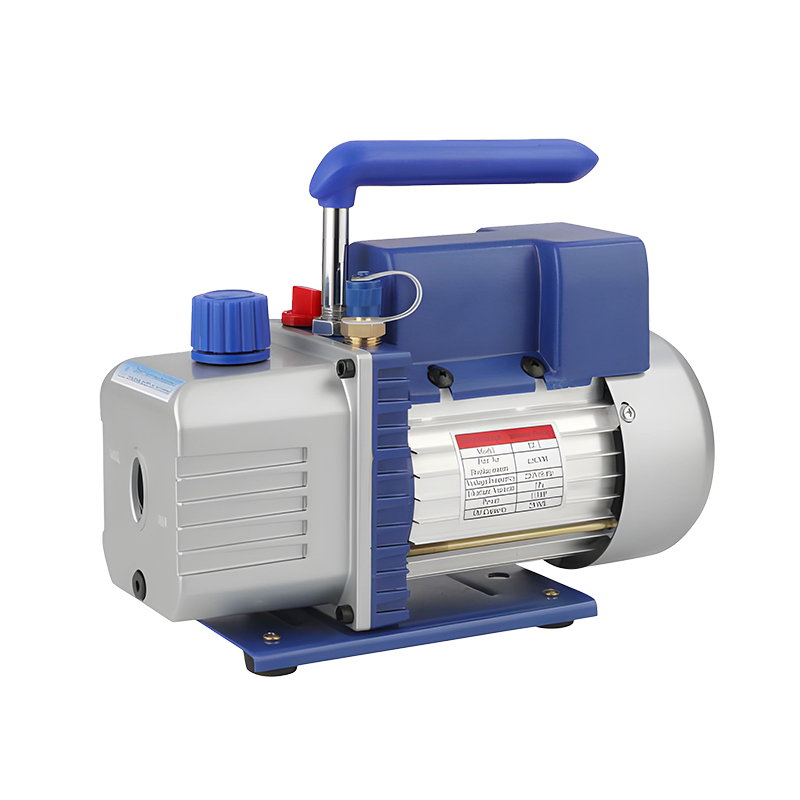
Rotary vane pumps represent one of the more common single stage configurations, using vanes sliding within a rotor to move gas through the chamber. Working with a reliable rotary vane vacuum pump supplier often makes sense for buyers who need a balance of decent vacuum level, solid flow rate, and manageable maintenance requirements.
These pumps tend to work well across a broad range of general industrial applications, though they're not always the right fit for processes demanding extremely deep vacuum or handling particularly corrosive gases, where alternative designs might hold up better over time.
Standard product lines cover a wide range of needs, but not every application fits neatly into a catalog specification. A custom vacuum pump becomes worth considering when:
Going custom typically means longer lead times and higher upfront engineering cost, so it's worth exhausting standard configurations first before assuming a tailored build is necessary. That said, for genuinely unusual applications, forcing a standard pump to fit often costs more in the long run than getting the specification right from the start.
Bringing vacuum level and flow rate together into an actual purchasing decision usually comes down to a handful of practical steps:
Working through this sequence tends to narrow the field considerably, moving buyers away from vague comparisons toward a specification that actually matches their process.
Even with a clear understanding of vacuum level and flow rate requirements, sourcing decisions still matter considerably. Whether working with a wholesale vacuum pump supplier for standard product lines or a vacuum pump factory capable of handling custom specifications, verifying manufacturing consistency and honest performance data helps avoid the gap between spec sheet promises and real world results.
Understanding vacuum level and flow rate together, rather than treating them as interchangeable performance indicators, gives buyers a genuinely stronger foundation for pump selection across nearly any industrial application. A Vacuum Pump Single Stage design might suit a moderate process perfectly well, while a deeper application demands the additional capability a two stage or specialized configuration provides, and knowing which category your process falls into before comparing spec sheets saves considerable time and cost down the line. Wenling Xinsheng Mechanical and Electrical Co.,Ltd. works with engineers and procurement teams navigating exactly this kind of selection process, helping match pump type, vacuum level, and flow rate to real operating conditions rather than generic assumptions. If you're weighing pump options for an upcoming project and want a specification that actually fits your process, reaching out to discuss your requirements is a practical next step before committing to equipment.
Related Products

Chengbei Industrial Zone, Xinhe Town, Wenling City, Zhejiang Province, China
Copyright © Wenling Xinsheng Mechanical and Electrical Co., Ltd. All Rights Reserved.



 English
 русский
 Español