May 15, 2026
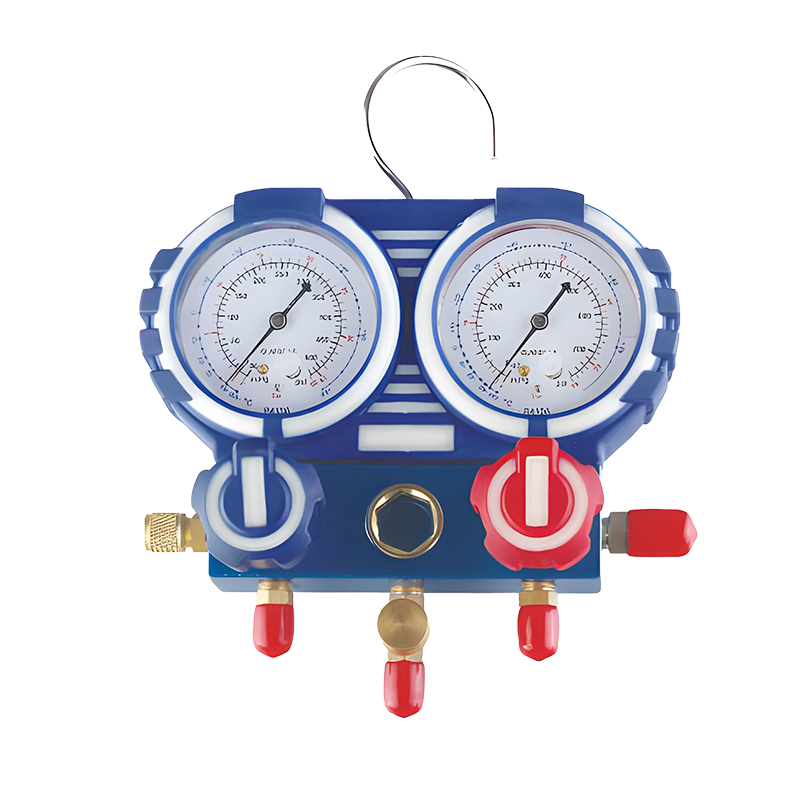
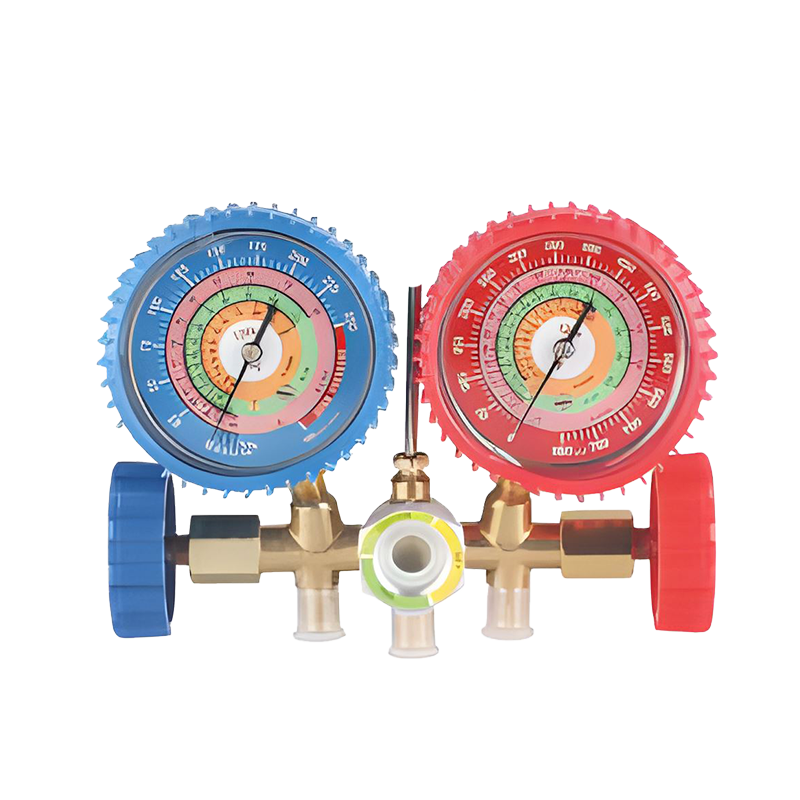
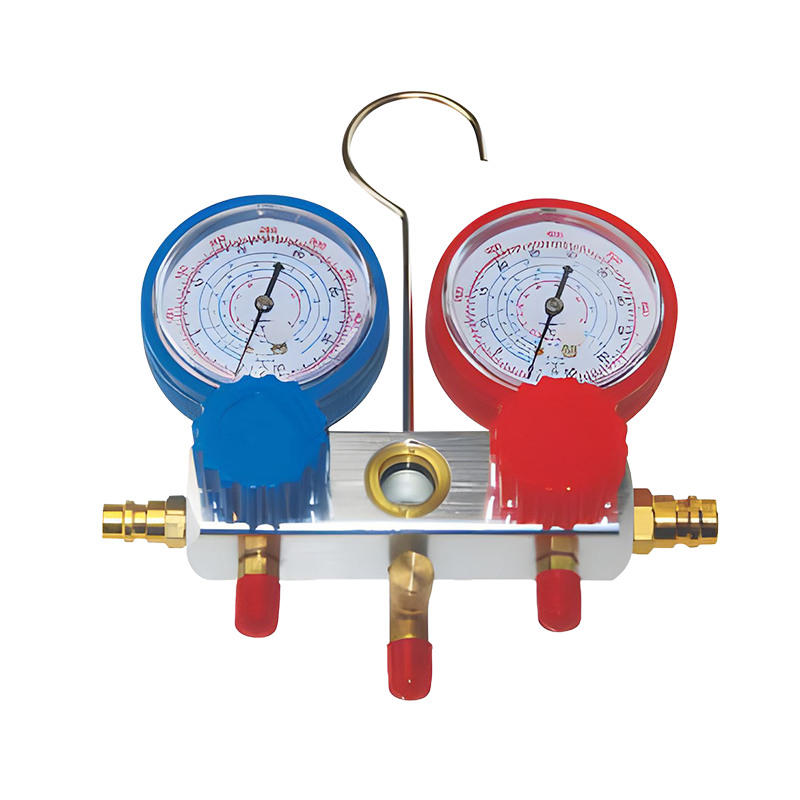
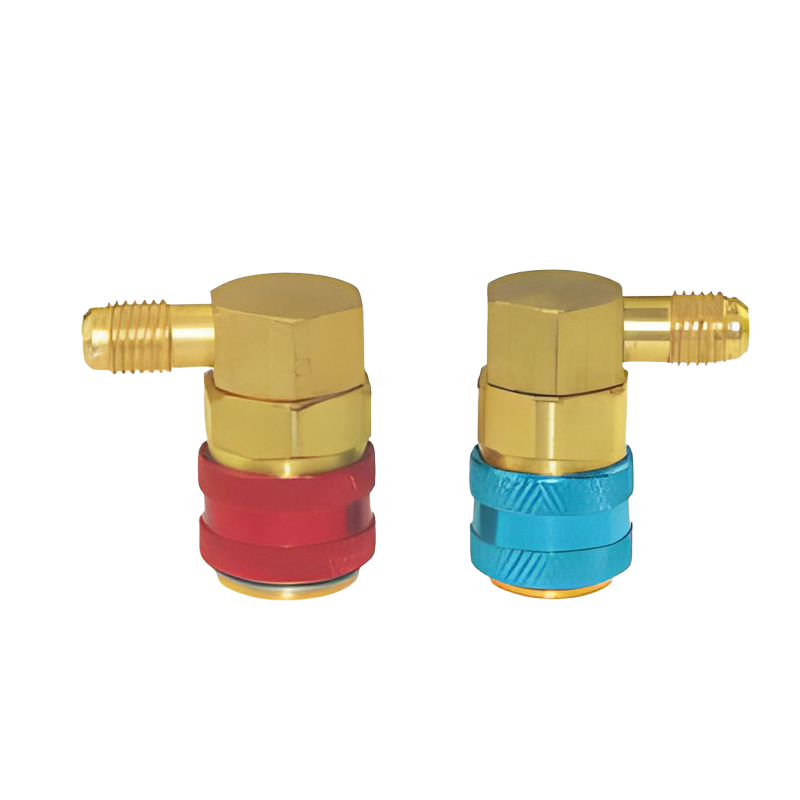
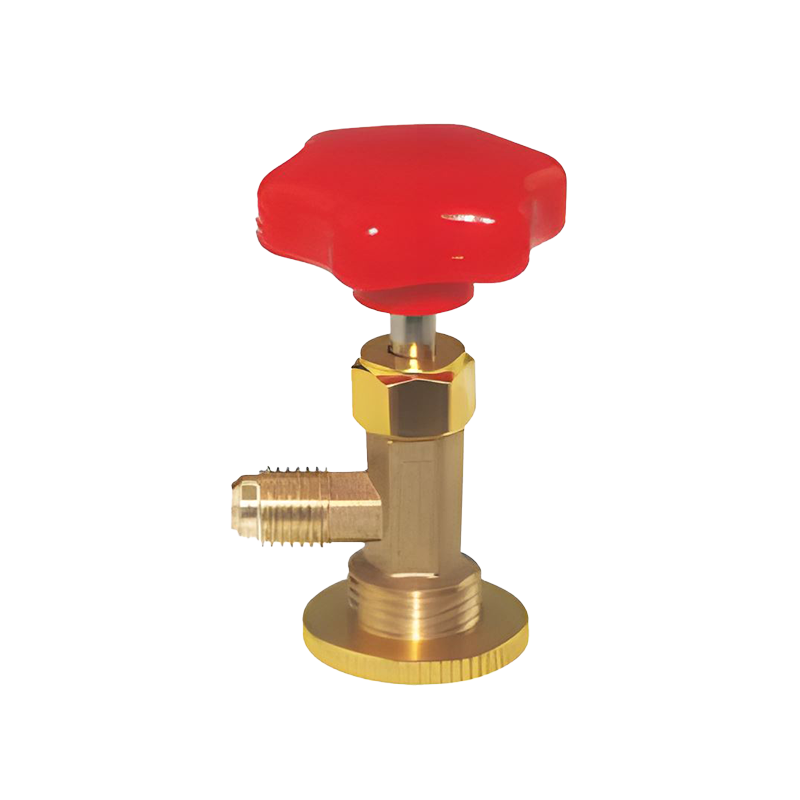
A fitting that fails at pressure is not just an inconvenience — it is a refrigerant release, a safety incident, and a job that has to be redone from scratch. Technicians and procurement teams working in HVAC and refrigeration know that the material of a component is not a secondary detail. It determines how long the component lasts, which refrigerants it can handle without degrading, and how it holds up when system pressures climb or ambient conditions get difficult. Refrigerant Accessories — manifold gauge sets, charging hoses, valves, adapters, and fittings — are available in brass, stainless steel, and reinforced hose constructions, and each material brings a distinct performance profile that shapes where it belongs in a refrigeration system.
Refrigerants are not chemically neutral. Different refrigerant types interact with metals and elastomers in ways that vary by composition. Some refrigerants accelerate oxidation in reactive metals. Others carry moisture into the system, which can initiate corrosion at sealing surfaces or degrade internal hose lining over time.
A component selected for its price point rather than its material compatibility may pass initial pressure testing but fail gradually as chemical interaction degrades its integrity. The failure mode — a slow leak rather than an immediate burst — makes it harder to trace back to the original material selection.
Newer refrigerant blends operate at higher working pressures than many of the refrigerants they replace. Components that were specified for earlier, lower-pressure systems may be technically undersized for the pressures now common in commercial and industrial refrigeration.
Wall thickness consistency, tensile rating, and sealing surface integrity all become relevant when service pressures increase. This is not a concern unique to any one material — it applies across brass, stainless steel, and reinforced hose — but the material determines where the practical pressure ceiling sits before safety factor margins begin to compress.
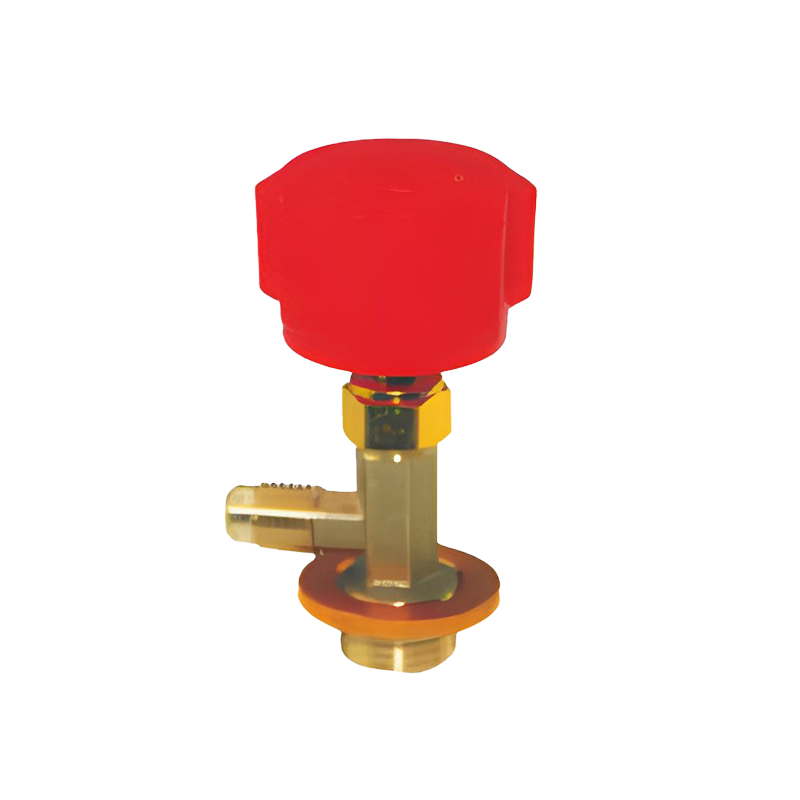
Brass — an alloy of copper and zinc — has been the standard material for refrigerant fittings and valves in general HVAC service for a long time. It machines well, seals reliably against standard threads and flare connections, and provides adequate corrosion resistance in dry refrigeration environments.
For residential and light commercial HVAC maintenance — charging, recovery, and manifold gauge connections under moderate pressures — brass components perform consistently. The material is compatible with the refrigerant families commonly used in these applications and holds up well in controlled indoor service environments.
Brass is not uniformly resistant to all chemical environments. In the presence of ammonia or certain ammonia compounds, brass can experience stress corrosion cracking — a failure mode where the alloy cracks along grain boundaries under combined mechanical stress and chemical exposure.
For refrigeration applications using ammonia-based refrigerants, such as large industrial cold storage or process refrigeration, brass fittings are not the appropriate material choice. Stainless steel or other non-reactive alloys are required.
Brass also has lower tensile strength than stainless steel at elevated temperatures. In systems where component temperatures cycle significantly — due to defrost cycles, process heat, or high-ambient-temperature installation environments — brass components may work-harden and become more susceptible to cracking over repeated thermal cycles.
Stainless steel offers broader chemical resistance than brass. It handles exposure to moisture, refrigerant blends that carry oils with reactive components, and environments where surface corrosion would otherwise degrade sealing quality over time.
In marine refrigeration, cold chain logistics equipment, and food processing refrigeration — all environments where humidity, salt air, or cleaning chemicals are part of the operating context — stainless steel components hold up significantly better than brass equivalents.
Stainless steel is compatible with a wider range of refrigerant chemistries than brass, including those that would cause stress corrosion in copper alloys. For ammonia refrigeration systems, stainless steel is the standard fitting material in critical connection points.
For HFC and HFO refrigerant families now common in commercial systems, stainless steel performs reliably. The material does not contribute to refrigerant contamination and does not degrade under long-term exposure to refrigerant oil mixtures.
Stainless steel maintains its tensile properties across a wider temperature range than brass. In applications with significant thermal cycling — industrial refrigeration, transport refrigeration, cryogenic adjacent applications — this stability reduces the risk of fitting fatigue over the system's service life.
The trade-off is machining complexity. Stainless steel is harder to machine than brass, which affects component manufacturing cost and is reflected in higher unit prices for stainless steel components compared to equivalent brass fittings.
Not all connections in a refrigeration system can or should be rigid metal-to-metal joints. Service hoses used in vacuum, charging, and recovery operations need to flex as the technician moves around the system. Rigid connections in those applications would introduce mechanical stress at every connection point with each repositioning.
Reinforced hose — typically a polymer inner tube with textile or wire braid reinforcement — provides the flexibility needed for service applications while maintaining the pressure rating required by the refrigerant system it connects to.
The inner tube material determines chemical compatibility with the refrigerant and refrigerant oil. The reinforcement layer determines the hose's pressure rating and its resistance to external mechanical damage — kinking, abrasion, and crush loading from being stepped on or pinched under equipment.
In refrigerant accessory applications, reinforced hose is found in:
The hose inner liner must be compatible with the refrigerant type and the refrigerant oil used in the system. Some refrigerant blends, particularly newer HFO-based refrigerants, are more aggressive toward certain polymer liners than earlier HFC refrigerants. Hose specifications for new refrigerant systems need to verify liner compatibility with the specific refrigerant chemistry.
The end fittings — typically brass or stainless steel — seal against the system ports. The quality of the crimp or swage connection between the hose body and the end fitting determines whether the assembly holds pressure without seepage at the transition point. A well-made hose with a poorly crimped fitting fails at the fitting connection, not in the hose body.
| Performance Factor | Brass | Stainless Steel | Reinforced Hose |
|---|---|---|---|
| Pressure resistance | Good for moderate pressure | Higher pressure capability | Depends on reinforcement grade |
| Corrosion resistance | Adequate — not suitable for ammonia | Broad — suitable for aggressive media | Depends on inner liner material |
| Temperature range | Moderate — performance drops at high temp | Wide — stable across thermal cycling | Limited by polymer liner material |
| Flexibility | None — rigid fitting | None — rigid fitting | High — designed for flexible connections |
| Ammonia compatibility | Not suitable | Suitable | Depends on liner type |
| Vibration resistance | Rigid — transmits vibration to connection | Rigid — transmits vibration | Absorbs vibration — suited to flexible connections |
| Service life in corrosive environments | Lower | Higher | Moderate — depends on liner and braid |
| Typical applications | Residential and light commercial HVAC | Industrial, marine, ammonia systems | Service hoses, mobile applications |
No single material covers all application types. The selection should follow from the refrigerant, the operating pressure, the installation environment, and the service life expectation — not from a default preference for one material over another.
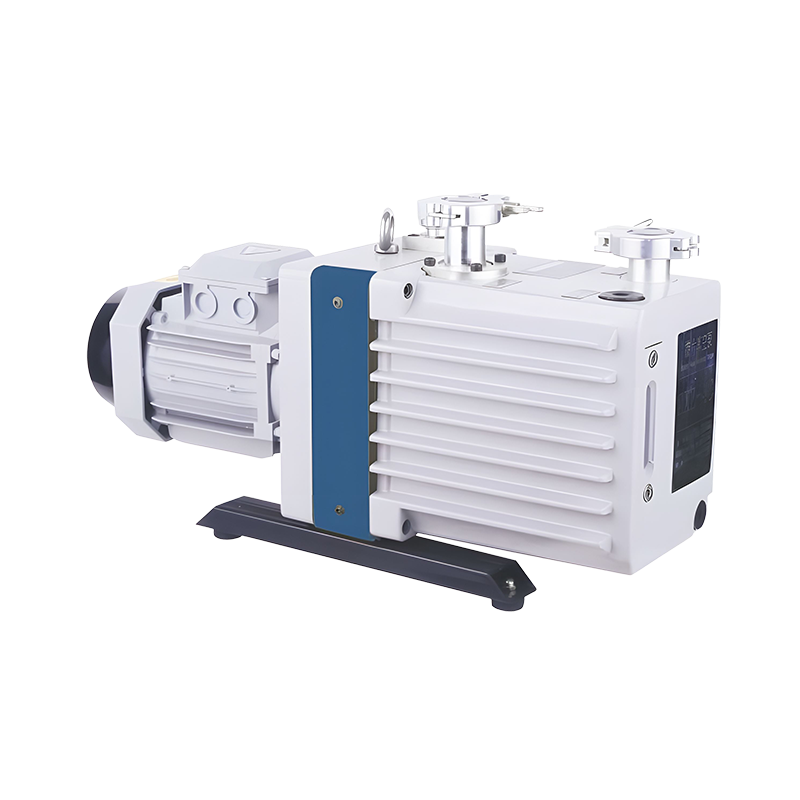
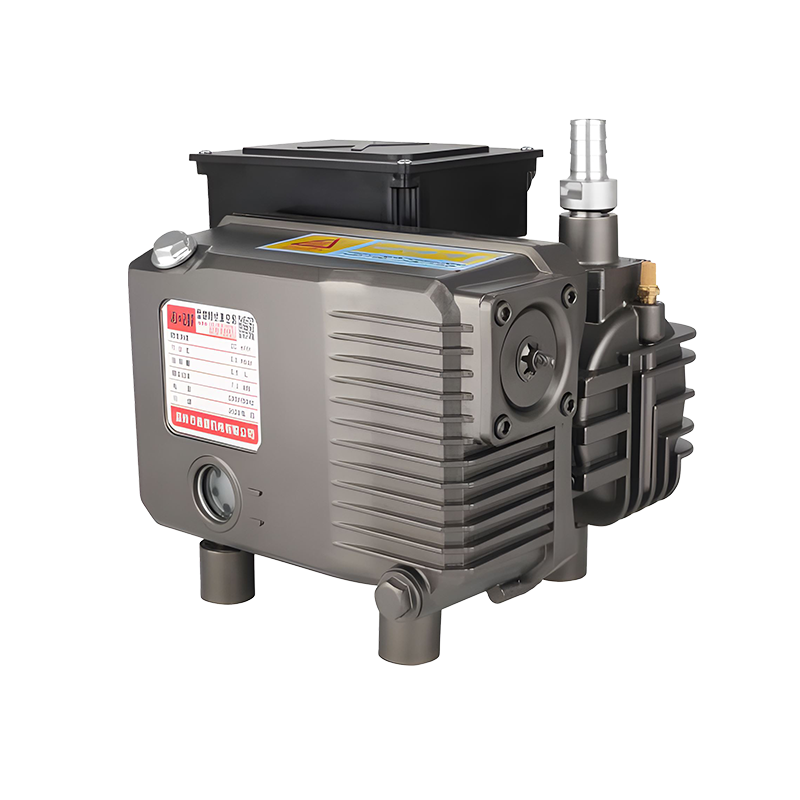
When using a Vacuum Pump for Air Conditioning Service, the charging hose connecting the manifold to the vacuum pump is part of the evacuation circuit. If the hose allows moisture permeation or has internal off-gassing from the liner material, it introduces contamination into the system that the vacuum pump cannot remove through evacuation alone.
Hoses, valve cores, and adapters used in conjunction with a Vacuum Pump for Air Conditioning Service should be rated for deep vacuum service, not just for the operating pressure of the refrigerant. There is a difference: high-pressure sealing and deep-vacuum integrity are not the same requirement.
System evacuation for modern refrigerant blends, particularly those used in systems with tight moisture tolerances, requires evacuation to deeper vacuum levels than older systems. Hoses and fittings that seal adequately at working pressure but allow micro-leakage at deep vacuum add air and moisture back into the system during the evacuation hold period.
A high-quality reinforced hose with low permeability liner, combined with well-sealed brass or stainless steel end fittings, supports a stable deep vacuum during the hold test that follows system evacuation. A hose that does not hold vacuum forces repeated evacuation cycles and may leave a system with residual moisture that affects long-term reliability.
Material alone does not determine component quality. Manufacturing consistency — wall thickness uniformity, thread form accuracy, surface finish on sealing faces, and end fitting crimp integrity — determines whether a component actually performs to the material's potential.
When sourcing these components for commercial or industrial applications, relevant evaluation points include:
These components are supporting elements in a larger system, but their quality has a direct effect on system reliability, service efficiency, and long-term operating cost. Selecting the right material is the starting point — manufacturing consistency, fit accuracy, and pressure rating verification are what separate a technically compliant component from one that actually performs in service.
Wenling Xinsheng Mechanical and Electrical Co., Ltd. manufactures Refrigerant Accessories including brass and stainless steel fittings, charging hoses, vacuum pump connection components, and related HVAC service tools for commercial, industrial, and OEM supply channels. Their product range covers the material configurations and pressure ratings relevant to both standard HVAC maintenance applications and more demanding industrial refrigeration contexts. If you are sourcing Refrigerant Accessories for a distribution catalog, a service fleet, or an OEM supply program, reaching out with your refrigerant type, system pressure range, and application context gives their team the information needed to recommend appropriate product configurations.
Related Products

Chengbei Industrial Zone, Xinhe Town, Wenling City, Zhejiang Province, China
Copyright © Wenling Xinsheng Mechanical and Electrical Co., Ltd. All Rights Reserved.



 English
 русский
 Español