Picking the wrong vacuum pump for an industrial system is the kind of decision that reveals itself slowly — through higher-than-expected maintenance intervals, inconsistent vacuum levels, or energy costs that do not match what the spec sheet suggested. Engineers and procurement teams evaluating vacuum equipment often arrive at the same fork: rotary vane or screw? Both are widely used, both are available through established supply channels, and both are capable of handling serious industrial workloads. But they are built on different principles, and those differences translate into real operational consequences. Whether you are sourcing through a Rotary Vane Vacuum Pump Supplier for an HVAC fleet, a refrigeration system, or a broader industrial process, understanding what separates these two pump types is the foundation of a decision you will not need to revisit after eighteen months.
How Each Pump Actually Works
The Mechanical Logic Behind Rotary Vane Technology
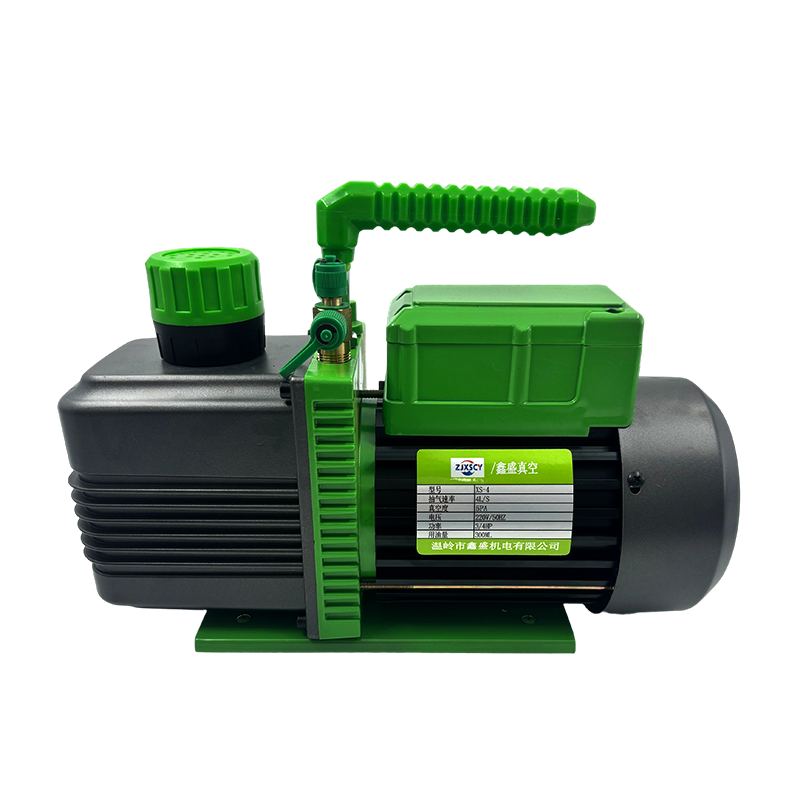
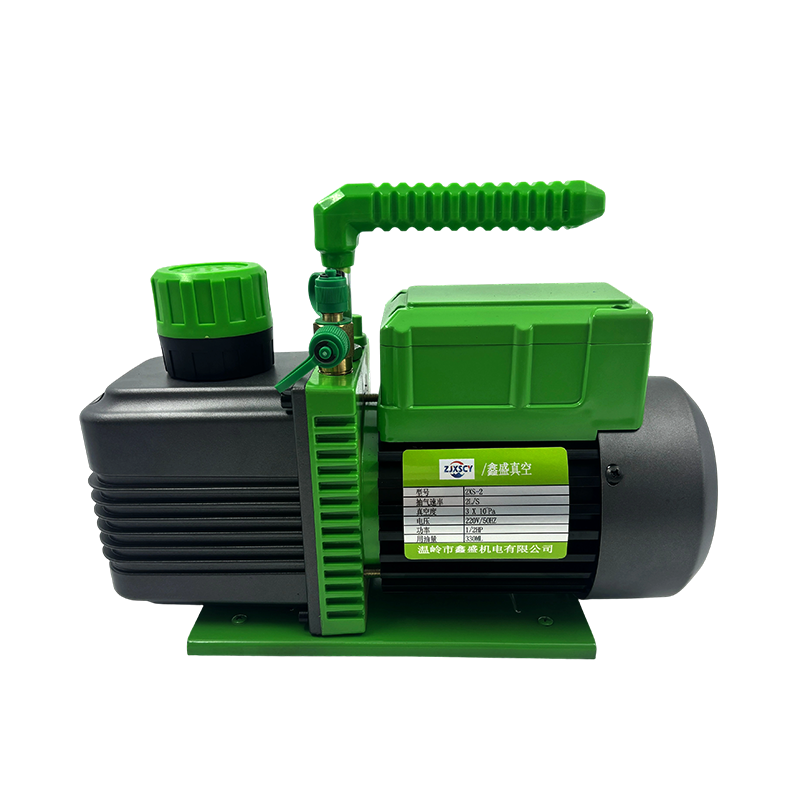
A rotary vane pump operates through a rotor mounted eccentrically inside a cylindrical housing. As the rotor turns, spring-loaded or centrifugally extended vanes slide in and out of slots, creating chambers that expand on the inlet side — drawing gas in — and compress on the outlet side, pushing it out. Most rotary vane designs are oil-sealed: the oil lubricates the vanes, helps seal the compression chambers, and plays a direct role in achieving the vacuum level the pump is rated for.
The result is a compact, mechanically straightforward design that has been used reliably across HVAC, refrigeration, laboratory, and light industrial applications for decades. Single Stage Vacuum Pump configurations are common in this category — one compression stage gets the system down to a working vacuum range that covers the majority of everyday industrial and service applications. Two-stage versions extend the vacuum depth by running the gas through a second compression cycle before discharge.
What Makes a Screw Vacuum Pump Different
A screw vacuum pump moves gas by trapping it between two intermeshing helical rotors and advancing it axially from inlet to outlet as the screws turn. There are no vanes, no oil in the compression chamber, and no contact between the rotating elements — the screws maintain a precise clearance rather than touching. This dry-running design is the defining characteristic, and it changes the operating profile considerably compared to oil-sealed alternatives.
Because there is no lubricant in the gas path, screw pumps handle chemically aggressive gases, moisture-laden process streams, and applications where oil contamination of the pumped medium is unacceptable. The mechanical simplicity of the screw geometry — no reciprocating parts, no vanes wearing against a housing — also contributes to lower maintenance frequency over time, though the initial investment reflects the tighter manufacturing tolerances required for the screw profiles.
Performance: Where the Differences Show Up in Practice
Both pump types are capable of meaningful vacuum performance, but they occupy different ranges and behave differently under variable load conditions.
Rotary vane designs generally deliver reliable performance across the medium vacuum range — deep enough for HVAC evacuation, refrigeration servicing, degassing, and a wide range of industrial processes that do not require ultra-high vacuum. A Vacuum Pump for Air Conditioning Service is almost universally a rotary vane design, because the vacuum depth it achieves covers refrigerant recovery and moisture evacuation effectively, while the cost and portability of the design fit the service context.
Screw pumps tend to be specified where:
- Handling of vapors, condensates, or chemically active gas streams
- Continuous-duty cycles where downtime for oil changes would disrupt production
- Semiconductor fabrication, chemical processing, or pharmaceutical manufacturing where contamination control is non-negotiable
- Systems where the energy cost of running the pump over thousands of hours outweighs the higher upfront equipment cost
Neither type is inherently more capable in absolute terms — the question is whether the application's actual requirements align with what each design delivers.
Maintenance: The Operational Cost That Compounds Over Time
Rotary Vane Pump Maintenance
Rotary vane pumps require regular oil maintenance. The oil degrades over time through oxidation, contamination from the pumped gas, and moisture absorption. In HVAC service applications, the oil is often changed after each job or after a set number of operating hours. In continuous industrial use, scheduled oil changes are a standard maintenance item. Beyond oil, the vanes themselves wear gradually against the pump housing — a normal and expected wear pattern that eventually requires replacement. For most applications, this is manageable and well-understood, and the parts are accessible and inexpensive.
Screw Pump Maintenance
Screw pumps have a different maintenance profile. With no oil in the compression chamber and no contact between the rotating elements, the two primary wear drivers in a rotary vane design are simply absent. The bearings and shaft seals require periodic attention, but the intervals are longer and the maintenance events are less frequent. The trade-off is that when something does go wrong with a screw pump, the repair is typically more complex and more costly — the tight tolerances in the screw geometry mean that anything affecting the rotor clearances requires skilled service.
A Side-by-Side Comparison
| Factor |
Rotary Vane Vacuum Pump |
Screw Vacuum Pump |
| Operating Principle |
Rotating vanes in an oil-sealed housing |
Intermeshing helical screws, dry running |
| Oil in Gas Path |
Yes — oil-sealed compression |
No — oil-free compression chamber |
| Vacuum Depth |
Medium vacuum range, suitable for most industrial and HVAC applications |
Medium to deep vacuum, suitable for demanding process environments |
| Energy Efficiency |
Good at moderate duty cycles |
Better at high-load or continuous-duty cycles |
| Maintenance Frequency |
Regular oil changes and eventual vane replacement |
Less frequent, but more complex when needed |
| Upfront Cost |
Lower |
Higher |
| Long-Term Running Cost |
Higher due to oil and wear parts |
Lower maintenance cost, higher initial investment |
| Chemical Resistance |
Limited — oil contamination risk in aggressive environments |
Strong — dry design handles reactive gases |
| Typical Applications |
HVAC, refrigeration servicing, laboratory, light industrial |
Chemical processing, semiconductor, pharmaceutical, heavy industrial |
| Noise Level |
Moderate |
Generally lower at comparable flow rates |
| Footprint |
Compact, often portable |
Larger, typically fixed installation |
Application Matching: Which Pump Fits Which Environment
HVAC
HVAC and Refrigeration Service
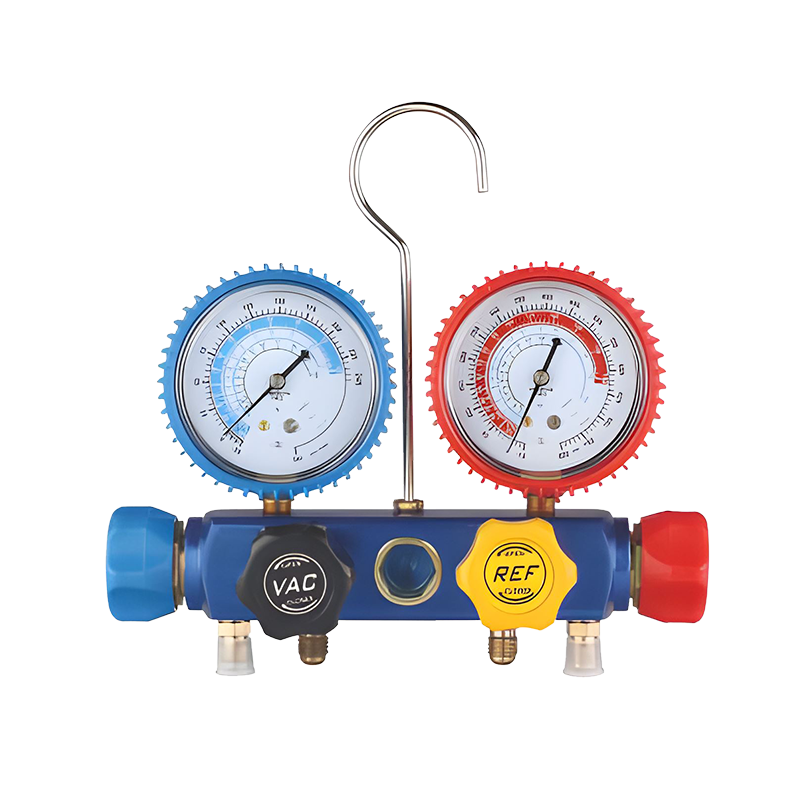
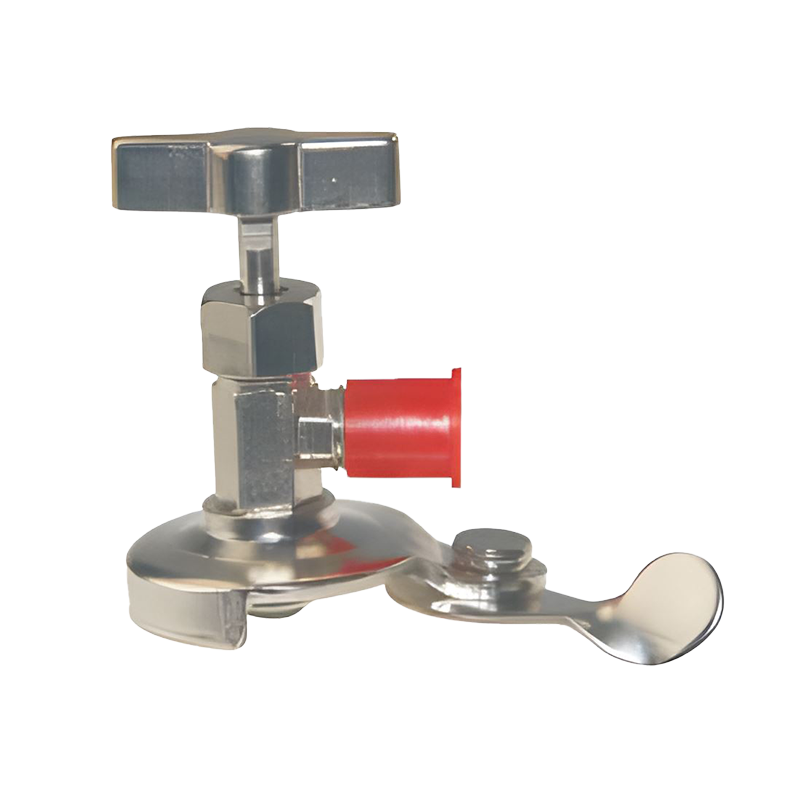
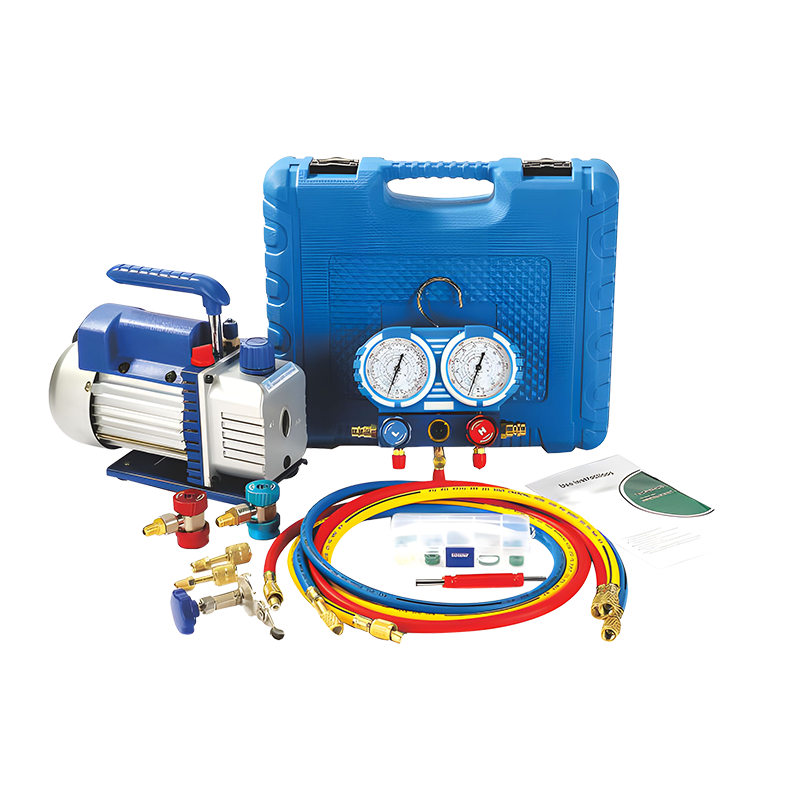
The Vacuum Pump for Air Conditioning Service has been, for a long time, a rotary vane design — and for good reason. The vacuum depth required for refrigerant system evacuation falls squarely within the operating range of a well-maintained rotary vane unit. The compact size and lower cost of rotary vane pumps also fit the service context, where technicians may be moving between jobs with the pump in a vehicle rather than operating from a fixed facility.
For HVAC contractors managing a fleet of service equipment, Single Stage Vacuum Pump options in the rotary vane category cover a wide range of system sizes and refrigerant types. Two-stage variants add vacuum depth for larger or more demanding systems where residual moisture removal is a concern.
Screw pumps, while technically capable of this application, are rarely specified for standard HVAC service work. The cost, size, and relative complexity are not justified when a well-maintained rotary vane unit handles the task reliably.
INDUS
Industrial Process Applications
The calculus shifts in continuous industrial environments. A chemical plant running a vacuum system for distillation, drying, or solvent recovery is dealing with vapors that would degrade rotary vane oil rapidly, create contamination concerns, or require frequent shutdowns for maintenance. A screw pump handles these conditions without the same degradation pattern.
Semiconductor fabrication and pharmaceutical manufacturing represent the clearest cases where dry-running screw technology is not optional — contamination of the process environment through oil vapor is simply not acceptable in these settings, regardless of the maintenance overhead difference.
Between these clear cases lies a substantial range of industrial applications where the decision is genuinely ambiguous. A food processing facility running intermittent vacuum packaging, a laboratory with moderate vacuum requirements, or a general manufacturing operation using vacuum for material handling — these environments may be well served by either technology, and the decision comes down to total cost of ownership over the equipment's operating life rather than a simple feature comparison.
Total Cost of Ownership: The Longer View
Purchase price comparisons between rotary vane and screw vacuum pumps consistently favor rotary vane designs. But procurement decisions made purely on acquisition cost often underestimate what follows.
A rotary vane pump in continuous or near-continuous industrial use accumulates oil change labor, oil disposal costs, vane replacement, and the downtime associated with these maintenance events. In high-utilization environments, these costs are not trivial over a multi-year horizon. A screw pump's lower maintenance frequency means fewer of these events — but the higher upfront cost takes longer to recover, and repair events when they do occur are more involved.
The Breakeven Point Depends On
- Utilization rate — higher daily operating hours favor screw pump economics over time
- Oil and labor costs in the operating region
- Whether the application involves chemically active gases that accelerate oil degradation
- Whether the facility can tolerate unplanned downtime or requires scheduled maintenance windows
- Whether the vacuum system is a production-critical component or a support function
For lower-utilization applications — HVAC service work, periodic laboratory use, intermittent industrial processes — the rotary vane design often remains the more cost-effective choice across its full service life. For high-utilization, chemically demanding, or contamination-sensitive environments, the economics tend to move in favor of the screw design despite the higher entry cost.
When Custom Configurations Make Sense
Many vacuum applications are standard enough that a catalog selection from a capable supplier covers the requirement without modification. But there are cases where a Custom Vacuum Pump configuration delivers meaningful value over a standard design.
Custom Configurations Are Worth Exploring When
- The process involves an unusual gas composition or temperature range that affects standard seal and oil compatibility
- The installation environment imposes space or orientation constraints that standard designs do not accommodate
- The operating duty cycle is at the edge of a standard product's rated range, and a tailored specification would extend service life
- Multiple vacuum points in a facility need to be served by a centralized system rather than individual units
Supplier Engineering Capability
Working with a Vacuum Pump Factory that has engineering capability alongside production capacity makes custom specification practical rather than theoretical. A supplier that can engage at the application level — understanding the process requirements before proposing a configuration — provides a different kind of value than one operating purely as a catalog distributor.
Choosing a Supplier: What Actually Matters
The equipment specification is the starting point, not the end point. A vacuum pump that performs as specified on day one but lacks accessible service support, consistent spare parts availability, or responsive after-sales communication creates problems that compound over the product's operating life.
Q&A
Questions Worth Putting to Any Shortlisted Supplier
- What is the standard warranty coverage, and what specifically does it include or exclude?
- How are spare parts supplied — from local inventory, regional distribution, or direct from the manufacturing facility?
- Does the supplier have engineering staff available to assist with application questions and configuration review, or is the relationship purely transactional?
- What is the lead time for standard and custom configurations?
- Does the factory maintain quality documentation that supports procurement processes requiring traceability?
TIP
Strategic Supplier Considerations
A Vacuum Pump Factory with depth across both rotary vane and screw technologies is also worth considering from a strategic standpoint. Facilities that evolve over time — expanding production, adding new process lines, upgrading from service to industrial applications — benefit from a supplier relationship that can scale with those changes rather than requiring a new supplier evaluation every time the application context shifts.
Making the Decision That Fits Your Operation
The rotary vane versus screw vacuum pump comparison is not a question with a universal answer — it is a question whose answer depends entirely on what the pump is being asked to do, how often, and in what environment. Rotary vane technology has earned its place across HVAC service, refrigeration, light industrial, and laboratory applications through a combination of proven reliability, manageable maintenance, and cost-effective acquisition. Screw technology earns its higher price point in environments where dry-running operation, chemical resistance, or long continuous duty cycles make the rotary vane design a poor long-term fit. For procurement teams and engineers working through this decision, the framework is straightforward: map the application requirements honestly, model the operating cost across a realistic service horizon rather than just the purchase price, and engage with suppliers who understand the application context rather than only the catalog specification.
Wenling Xinsheng Mechanical and Electrical Co.,Ltd. manufactures rotary vane vacuum pumps across a range of configurations — from Single Stage Vacuum Pump designs suited to HVAC and refrigeration service, to multi-stage and Custom Vacuum Pump solutions for industrial process applications. Their engineering and sales teams work with customers through the selection process, including custom configuration development where standard products do not fully cover the application requirement. If you are evaluating vacuum equipment for a new installation, an equipment upgrade, or a wholesale sourcing requirement, reaching out to discuss your application is a practical starting point.




 English
 русский
 Español