Dec 12, 2025
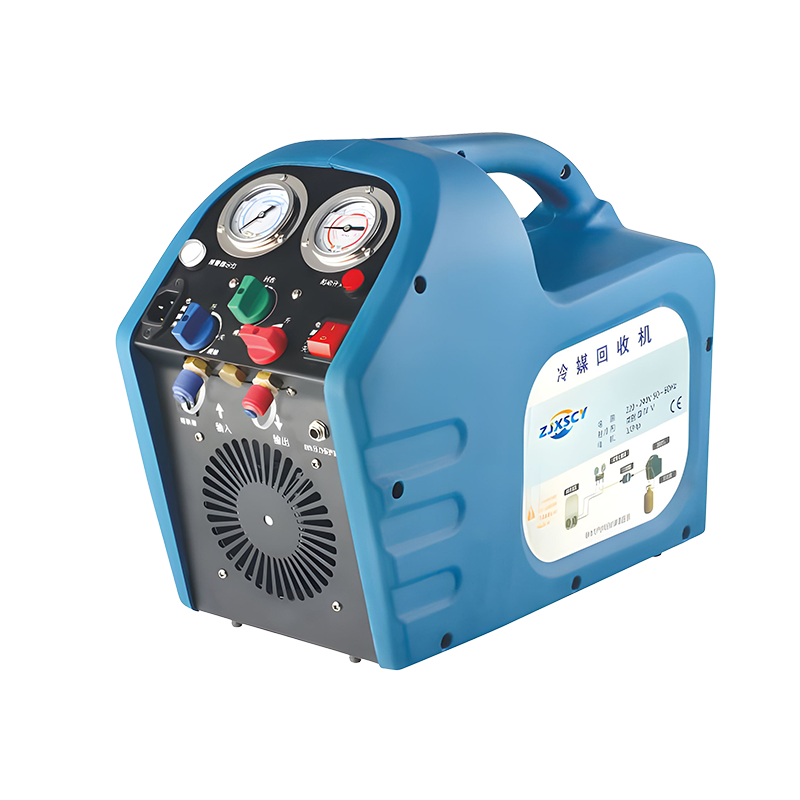
The primary purpose of a refrigerant recovery machine is to extract refrigerants from HVAC systems in a controlled and environmentally safe manner. Refrigerants, such as R-22, R-410A, or R-134a, are gases or liquids used in cooling cycles. Improper release of these substances can damage the ozone layer or contribute to global warming.
Function in Maintenance: When an HVAC system requires repair or replacement of components, such as compressors or evaporators, the refrigerant must be removed. A recovery machine safely collects the refrigerant, storing it in a certified recovery cylinder for reuse or proper disposal.
Environmental Impact: By preventing the release of refrigerants into the atmosphere, recovery machines help comply with environmental regulations and industry standards. This practice supports sustainability efforts and reduces the technician's environmental footprint.
Regulatory Compliance: Many countries mandate the use of recovery equipment during refrigerant handling. Using a recovery machine ensures that technicians operate within legal requirements, avoiding penalties and contributing to public safety.
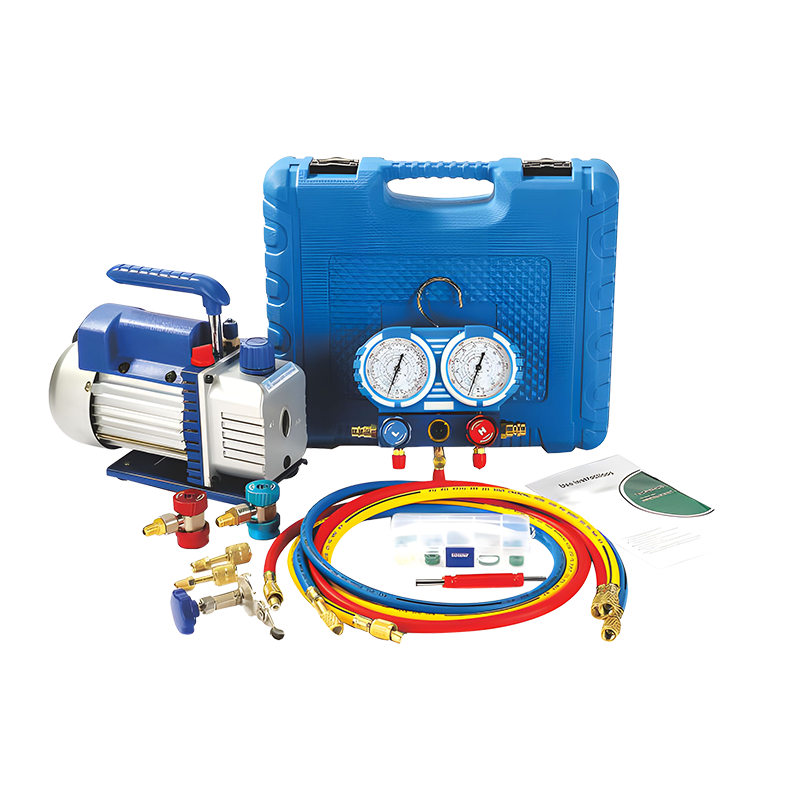
The operation of a refrigerant recovery machine involves several components, including a compressor, filters, hoses, and a storage cylinder.
Compressor Function: The compressor draws refrigerant from the HVAC system and pushes it into the storage cylinder. The machine can recover refrigerants in both vapor and liquid states, depending on the type of system and the recovery method used.
Filtration System: Filters remove moisture, oil, and other impurities from the refrigerant during the recovery process. This ensures that the collected refrigerant can be reused safely or recycled without contaminating new systems.
Recovery Process: The technician connects the machine to the system using hoses and valves. The machine then draws refrigerant from the system into the recovery cylinder, monitoring pressure and volume throughout the process. Some machines include automatic shut-off features that stop the process when the cylinder reaches capacity.
Safety Features: Modern machines are equipped with safety mechanisms such as pressure relief valves, thermal protection, and leak detection sensors. These features protect both the technician and the system during operation.
Refrigerant recovery machines are available in several types, each suited for specific applications or refrigerants.
Single-Stage Machines: These machines use one compressor stage to recover refrigerant. They are generally simpler and suitable for low- to moderate-volume applications, such as residential HVAC systems.
Two-Stage Machines: Two-stage machines use high- and low-pressure stages to recover refrigerants more efficiently, particularly in larger or commercial systems. They can recover refrigerants in both vapor and liquid states more quickly than single-stage models.
Portable vs. Stationary Machines: Portable units are smaller and designed for fieldwork, allowing technicians to service HVAC systems in different locations. Stationary machines are larger and often used in workshops or service centers, where multiple systems are maintained.
Refrigerant-Specific Machines: Some machines are optimized for specific types of refrigerants, ensuring compatibility and efficient recovery. Using the correct machine for each refrigerant type is important to prevent equipment damage or environmental hazards.
Proper operation of a refrigerant recovery machine is crucial to ensure safety, efficiency, and compliance with regulations.
Read the Manual: Technicians should always follow the manufacturer's instructions for setup, operation, and maintenance. Each model may have specific requirements for pressure limits, refrigerant types, and recovery procedures.
Use Appropriate PPE: Personal protective equipment (PPE), including gloves, safety glasses, and protective clothing, helps prevent contact with refrigerants and potential injury from high-pressure components.
Monitor Pressure and Temperature: Continuous monitoring of pressure and temperature ensures safe recovery. Overfilling the cylinder or operating outside recommended ranges can leaks, equipment failure, or accidents.
Regular Maintenance: Cleaning filters, checking hoses for leaks, and servicing the compressor prolong the life of the recovery machine and ensure consistent performance. Proper storage and handling of recovered refrigerants are also important to maintain their quality and safety.
Related Products

Chengbei Industrial Zone, Xinhe Town, Wenling City, Zhejiang Province, China
Copyright © Wenling Xinsheng Mechanical and Electrical Co., Ltd. All Rights Reserved.



 English
 русский
 Español