Dec 05, 2025
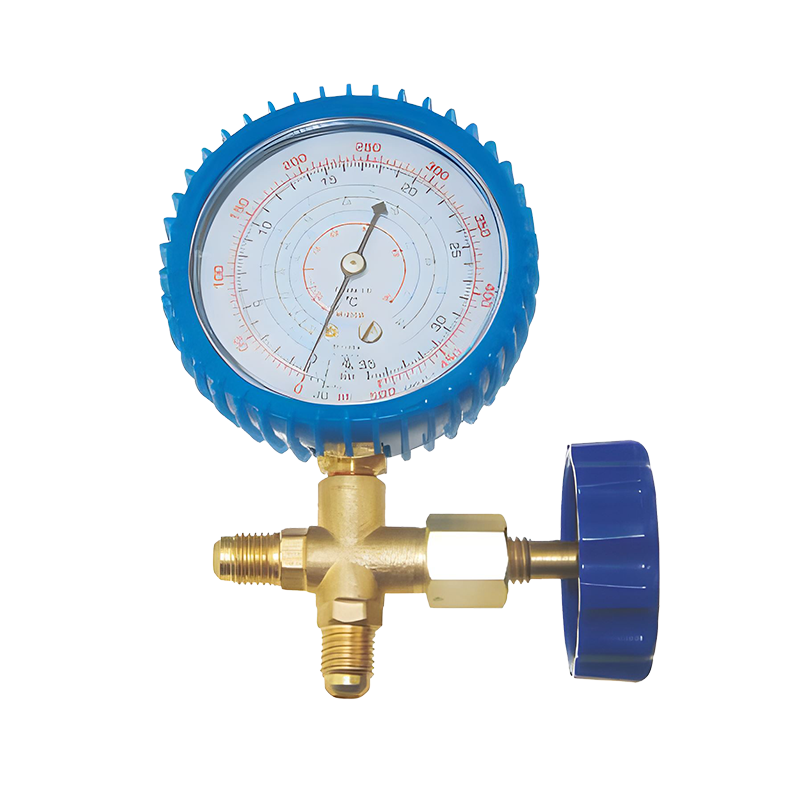
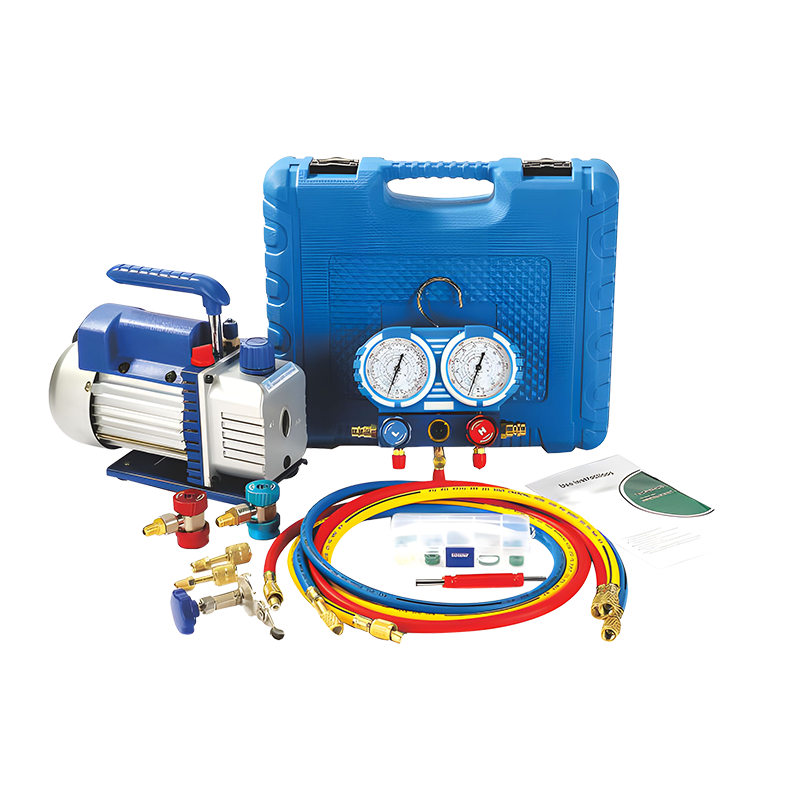
A typical HVAC vacuum pump manifold gauge kit consists of a set of gauges, a manifold body, hoses, and connection fittings. The manifold itself usually contains two gauges: a high-pressure gauge and a low-pressure gauge. These gauges allow the technician to monitor both sides of the refrigeration system simultaneously.
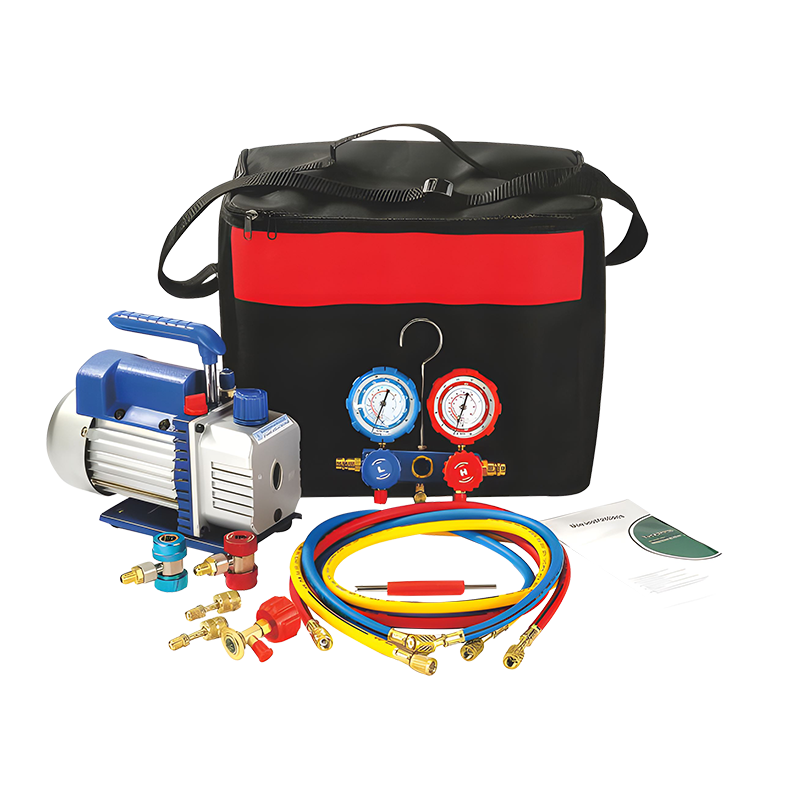
The manifold body often includes control valves that regulate refrigerant flow between the hoses and the system. Standard kits include color-coded valves, with red for high pressure, blue for low pressure, and sometimes yellow for service or vacuum lines. These valves enable precise control of fluid or gas movement, preventing overcharging or system imbalance.
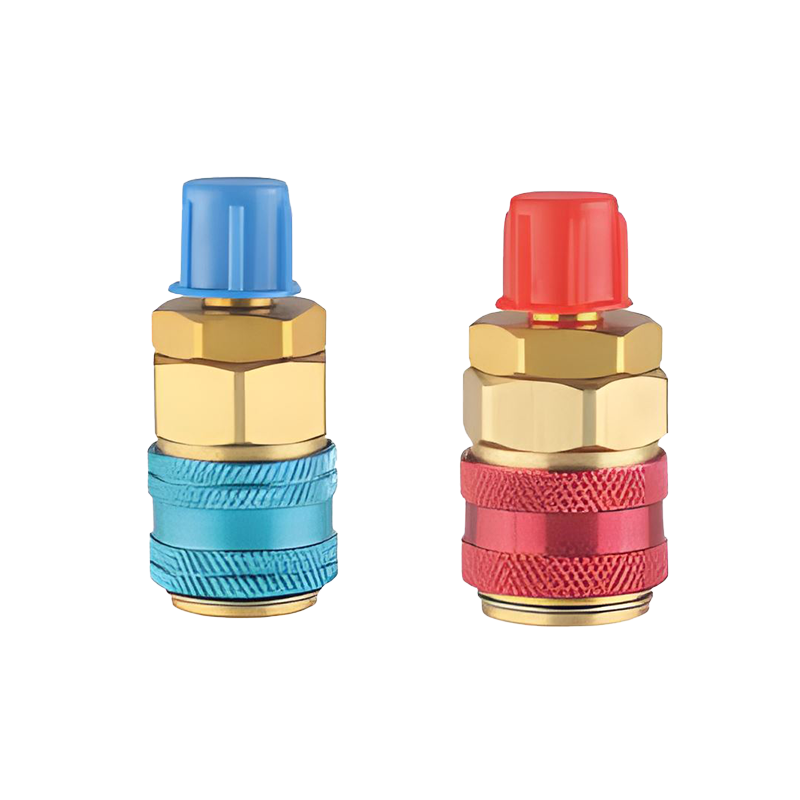
Hoses connect the manifold to the HVAC system and vacuum pump. They are usually made from durable materials such as reinforced PVC or nylon and are designed to withstand pressure changes and refrigerant compatibility requirements. Fittings at the ends of the hoses provide a secure connection to the system service ports and the pump. Some kits include additional adapters to accommodate different refrigerant types and service port standards.
Material Quality and Durability
The quality of the materials used in a vacuum pump manifold gauge kit is a primary consideration. Manifold bodies are commonly made from brass, aluminum, or stainless steel. Brass is widely used due to its corrosion resistance and ability to withstand refrigerant exposure. Aluminum is lighter and reduces overall kit weight, while stainless steel provides high durability for professional use.
Gauges should have clear, accurate markings and be constructed to resist vibration and temperature changes. Acrylic or polycarbonate covers protect the gauge faces, while the internal mechanisms must maintain accuracy over repeated use. Hoses should be flexible yet robust enough to handle repeated connection and disconnection without kinking or leaking.
Durability directly affects both safety and cost-efficiency. A kit with weak fittings or low-quality materials may develop leaks or lose calibration over time, reducing its reliability in field operations.
Pressure Range and Accuracy
Different HVAC systems operate under varying pressure levels. Selecting a manifold gauge kit with appropriate pressure ranges for the systems being serviced is important. Low-pressure gauges typically measure vacuum and suction pressures, while high-pressure gauges measure system discharge pressures.
Technicians must ensure that the gauges provide the necessary accuracy and readability. Kits with dual-scale gauges can display both psi and kPa, which is useful for servicing systems in regions with different measurement standards. For vacuum applications, the low-pressure gauge should be capable of reading down to at least 30 microns if deep evacuation is required. Choosing a kit that aligns with the expected pressure ranges reduces the risk of inaccurate readings and improper system charging.
Hose Length and Compatibility
Hose length is another factor to consider when selecting a manifold gauge kit. Longer hoses provide flexibility in positioning the manifold and vacuum pump relative to the system, which is useful in complex installations or confined spaces. However, excessively long hoses can introduce pressure loss or increase the risk of kinking.
Hose compatibility with different refrigerants is also important. Refrigerant types such as R-410A, R-134a, and R-22 may require hoses rated for specific pressures and chemical exposure. Technicians should verify that the kit includes hoses suitable for the refrigerants they service regularly. Color coding and standardized fittings also facilitate correct and safe connections.
Additional Functional Features
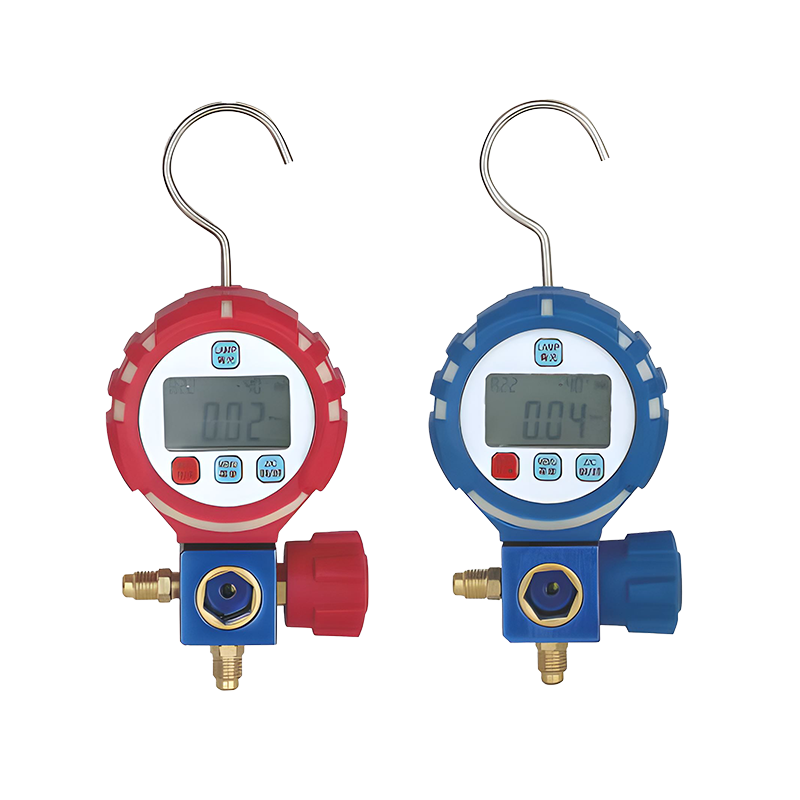
Some manifold gauge kits include extra features that improve convenience and versatility. Integrated sight glasses allow monitoring of refrigerant flow. Built-in check valves can prevent backflow of refrigerant, protecting the system and the pump. Certain kits come with digital pressure gauges, offering improved precision and easier data reading compared with analog models.
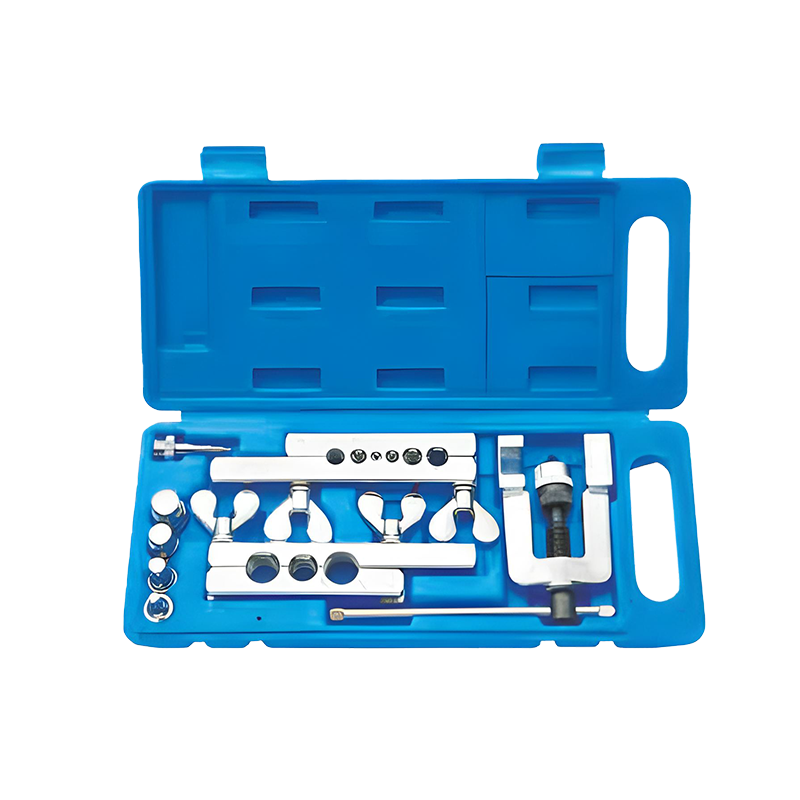
Adapters and quick-connect fittings expand the kit’s compatibility with different HVAC systems and service ports. Some kits are also supplied with carrying cases or protective storage, which helps maintain organization and protects components during transport.
Brand Reputation and Technical Support
Selecting a kit from a reputable manufacturer ensures consistent quality, accuracy, and availability of replacement parts. Technical support and user manuals provided by the manufacturer can assist in troubleshooting, calibration, and proper usage, which contributes to safer and more effective operations.
Technicians should also consider certification standards such as SAE or ISO compliance. Kits meeting these standards are more likely to deliver reliable performance across multiple systems and environmental conditions.
Related Products

Chengbei Industrial Zone, Xinhe Town, Wenling City, Zhejiang Province, China
Copyright © Wenling Xinsheng Mechanical and Electrical Co., Ltd. All Rights Reserved.



 English
 русский
 Español