Jul 31, 2026
Watching a panel shift mid-cut, ruining hours of setup work and a perfectly good piece of material, is the kind of frustration that pushes shop owners to finally investigate what's actually holding their workpieces in place. A Custom Vacuum Pump often turns out to be the missing piece in that equation, since generic hold-down systems rarely match the specific table size, material type, and continuous run demands that woodworking and CNC operations throw at them daily. Anyone who's fought with slipping stock or inconsistent suction across a large panel understands exactly why vacuum system performance matters far more than it initially seems. This isn't really a topic about one single component either. Vacuum pump selection touches table design, material porosity, production volume, and even noise tolerance on a busy shop floor, and getting any one of these factors wrong tends to show up as wasted material, inconsistent cuts, or a frustrating amount of downtime spent troubleshooting a hold-down system that never quite performs as expected.
Before getting into pump types and specifications, it helps to understand why vacuum holding became the default approach for so much of this industry in the first place.
None of these benefits happen automatically though, they depend entirely on having a vacuum system properly matched to the specific application, which is exactly where a lot of shops run into trouble with generic, one-size-fits-all pump selections.
At its core, a vacuum table or vacuum clamping system uses a network of small holes or channels across the work surface, connected to a pump that removes air from beneath the workpiece. This creates a pressure differential, atmospheric pressure above the material pushes down against the reduced pressure underneath, holding the piece firmly in place without any mechanical contact points interfering with the cutting path.
CNC router hold-down systems apply this same principle at a larger production scale, often incorporating zoned vacuum sections that allow operators to activate only the specific table area currently in use, improving efficiency when working with smaller panels on a larger table surface. Woodworking applications, door panel processing, furniture component cutting, follow similar logic, though the specific vacuum level and flow rate requirements shift depending on material porosity and panel size.
This is where generic pump specifications start falling short for many operations, since woodworking and CNC applications place genuinely different demands on a vacuum system compared to other industrial uses.
Recognizing which of these factors matters most for a specific operation shapes almost every downstream decision about pump type, sizing, and configuration.
A handful of pump categories dominate woodworking and CNC vacuum applications, each suited to somewhat different operational profiles.
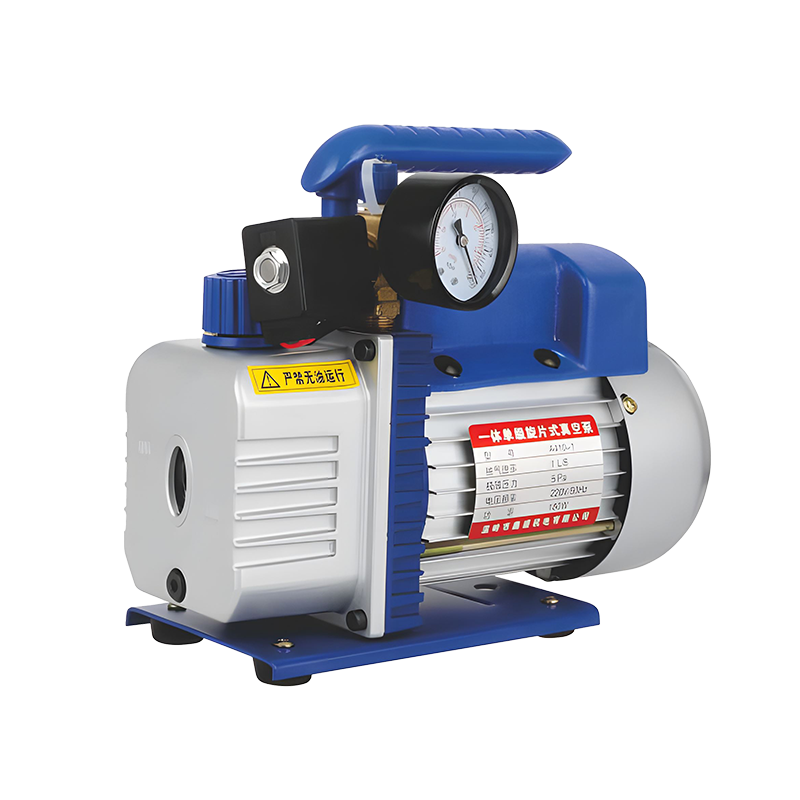
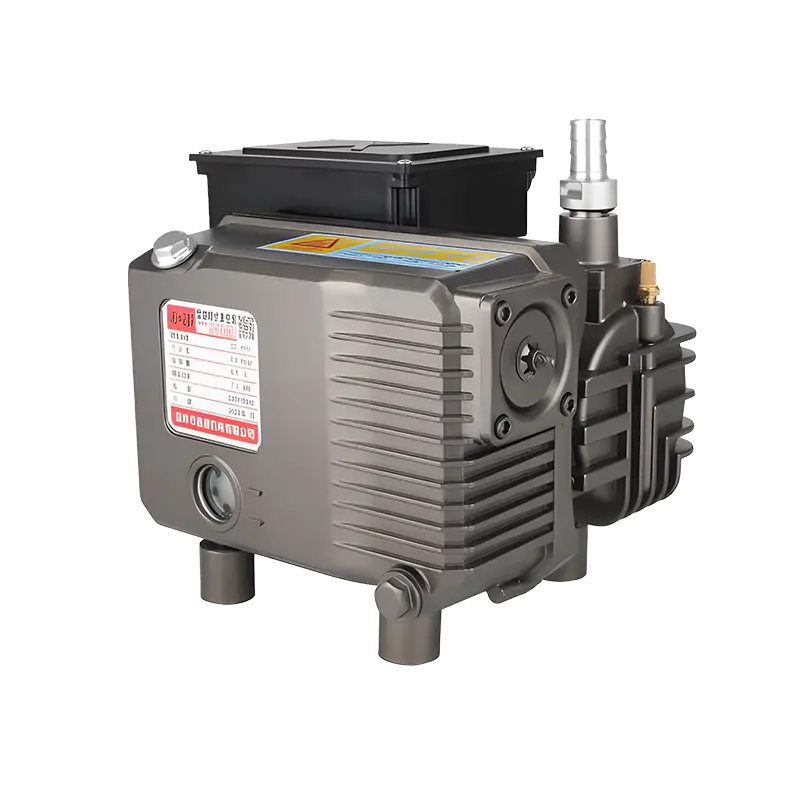
Rotary vane pumps remain among the most common choices across this industry, valued for their reliable, continuous vacuum generation and reasonable balance between performance and operating cost. These pumps handle the sustained demand of production environments well, making a dependable rotary vane vacuum pump supplier relationship genuinely valuable for shops running consistent daily production.
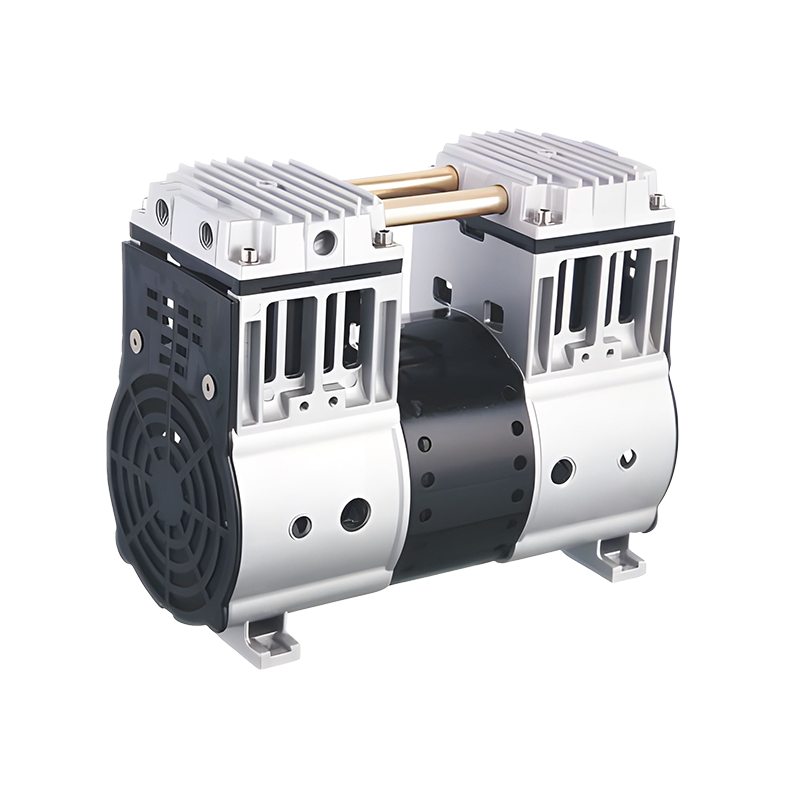
Dry vacuum pumps avoid oil-based lubrication entirely, appealing to facilities concerned about contamination risk or wanting to simplify maintenance routines, though they sometimes carry a higher upfront cost compared to oil-lubricated alternatives.
Liquid ring pumps handle certain heavy-duty or moisture-tolerant applications well, though they show up less frequently in standard woodworking settings compared to industrial processes with wetter operating conditions.
Side channel blowers serve lighter-duty applications, often found in smaller shops or setups where full industrial-grade vacuum capacity isn't necessary for the scale of work being performed.
Seeing these options side by side helps clarify which type genuinely fits a specific shop's actual working conditions.
| Pump Type | Typical Application | Maintenance Level | Noise Level |
|---|---|---|---|
| Rotary vane pump | Continuous production, general woodworking and CNC use | Moderate, requires periodic oil service | Moderate |
| Dry vacuum pump | Contamination-sensitive or lower-maintenance settings | Lower, no oil lubrication needed | Moderate to low |
| Liquid ring pump | Heavy-duty or moisture-tolerant industrial settings | Higher, requires water or fluid management | Higher |
| Side channel blower | Light-duty, smaller scale operations | Lower | Lower |
Reading this table against your actual daily production volume, material type, and shop environment narrows the decision considerably before cost comparisons even come into play.
Standard, off-the-shelf pumps work fine for some operations, but a growing number of woodworking and CNC facilities have discovered that generic products simply don't match their specific table dimensions, material mix, or production schedule closely enough to deliver optimal performance.
This is precisely why sourcing directly from a vacuum pump factory capable of adjusting specifications, rather than settling for whatever generic model happens to be readily available, tends to produce noticeably better long-term performance for shops with genuinely specific operational needs.
Since rotary vane pumps dominate so much of this application space, choosing the right supplier deserves particular attention.
Working through these questions before committing to a supplier relationship tends to prevent the mismatch that happens when a pump performs well on paper but underdelivers once installed in an actual working shop environment.
Beyond the product itself, evaluating the manufacturing partner matters just as much for facilities planning ongoing purchases or larger OEM relationships.
Look for demonstrated customization capability, adjusting flow rate, housing configuration, or mounting specifications to match specific application requirements rather than offering only fixed catalog options. Confirm testing and quality control processes exist to verify consistent performance across production batches, since inconsistency between units creates real headaches for facilities standardizing equipment across multiple production lines. Ask about delivery timelines and after-sales support, particularly important for OEM buyers integrating pumps into their own equipment lines who need reliable, predictable supply chains rather than unpredictable lead times.
Getting vacuum holding right for woodworking and CNC applications really comes down to matching pump type, flow rate, and configuration to the actual materials, table sizes, and production schedule a specific shop deals with daily, rather than assuming any generic vacuum pump will perform adequately across every application. Facilities that take the time to understand their porosity requirements, table coverage needs, and continuous run demands before selecting equipment tend to see far fewer slipping panels, inconsistent cuts, or unexpected downtime than those defaulting to whatever standard product happened to be available. Whether that means starting with a reliable rotary vane pump for general continuous production or moving toward a more tailored configuration for mixed material processing and multi-station fixtures, understanding these distinctions upfront makes both the equipment decision and the supplier conversation considerably more productive. Wenling Xinsheng Mechanical and Electrical Co.,Ltd. supports woodworking and CNC equipment manufacturers with vacuum pump solutions built around these exact application demands, offering the manufacturing flexibility and testing capability needed to match specific table designs and production requirements, and welcomes inquiries from OEM buyers and system integrators ready to move from evaluation into a genuine sourcing conversation.
Related Products

Chengbei Industrial Zone, Xinhe Town, Wenling City, Zhejiang Province, China
Copyright © Wenling Xinsheng Mechanical and Electrical Co., Ltd. All Rights Reserved.



 English
 русский
 Español