Jul 24, 2026
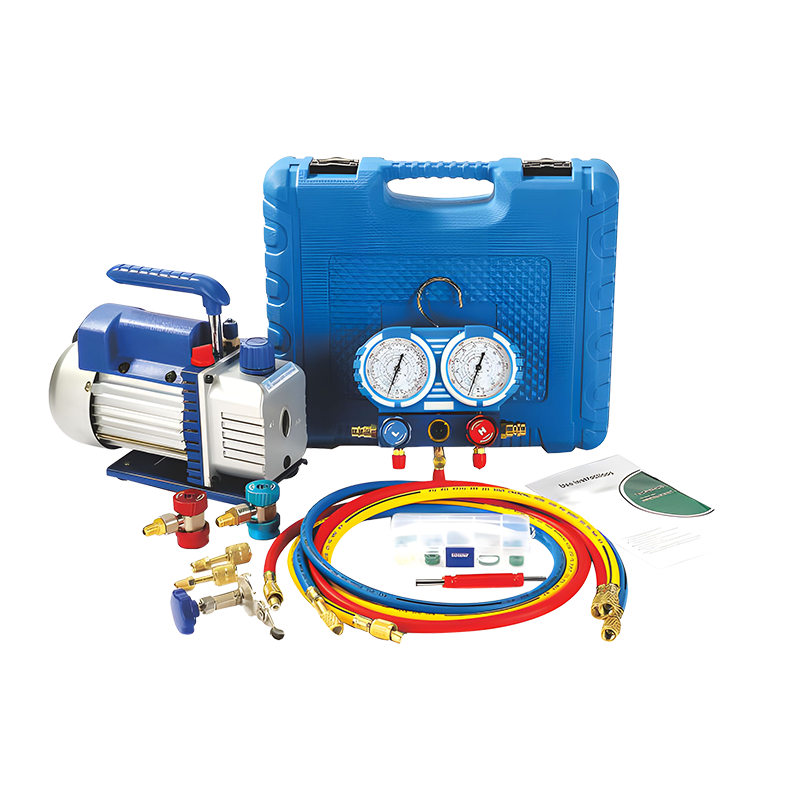
Watching a technician hook up a strange looking pump to an air conditioning line and let it run for what feels like forever before actually adding refrigerant is confusing if nobody's ever explained why that step exists in the first place. It's fair to wonder whether skipping it, or using the wrong equipment for it, actually changes how well the system ends up cooling once everything's buttoned back up. If you've been searching for how a Vacuum Pump for Air Conditioning Service actually works, you're likely trying to understand the purpose behind this step before buying equipment or relying on it during daily service calls.
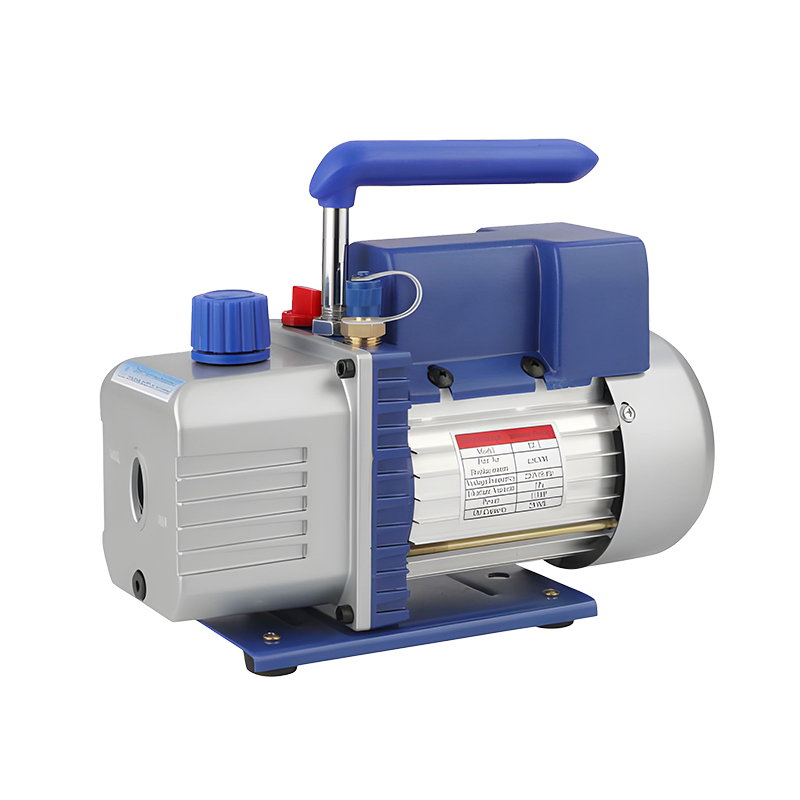
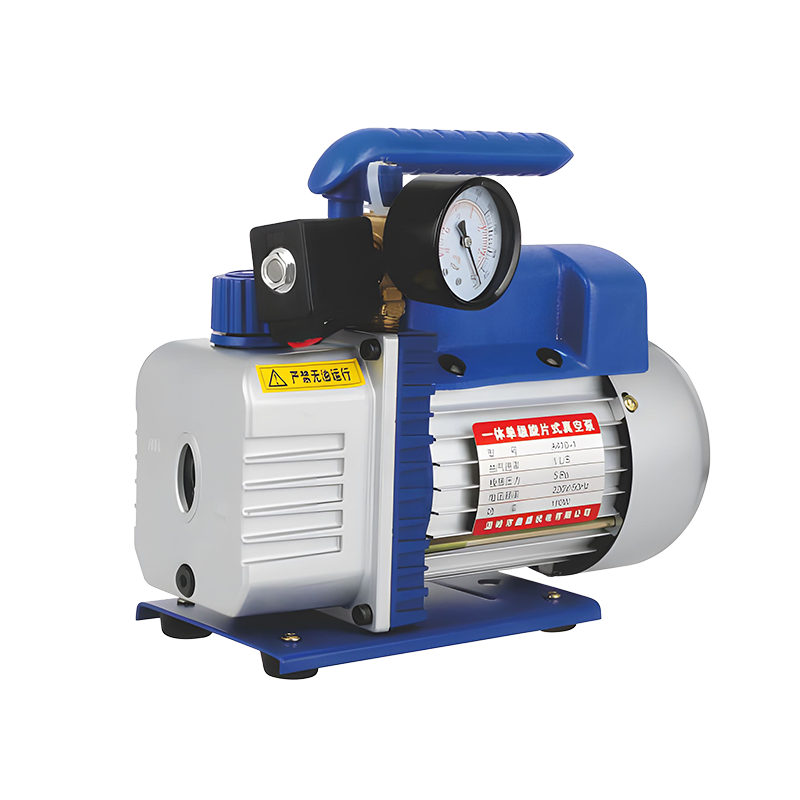
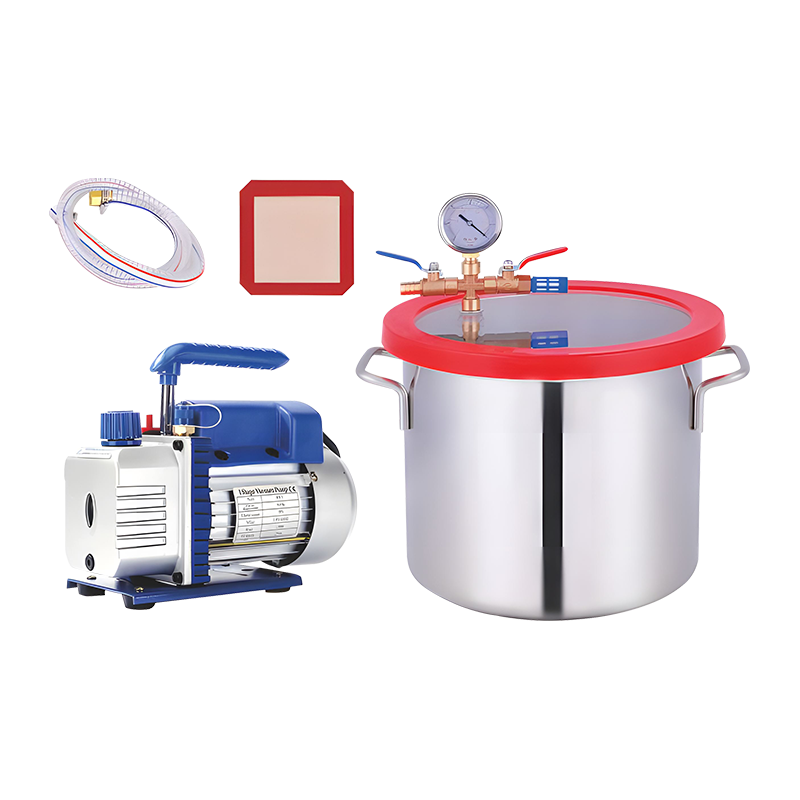
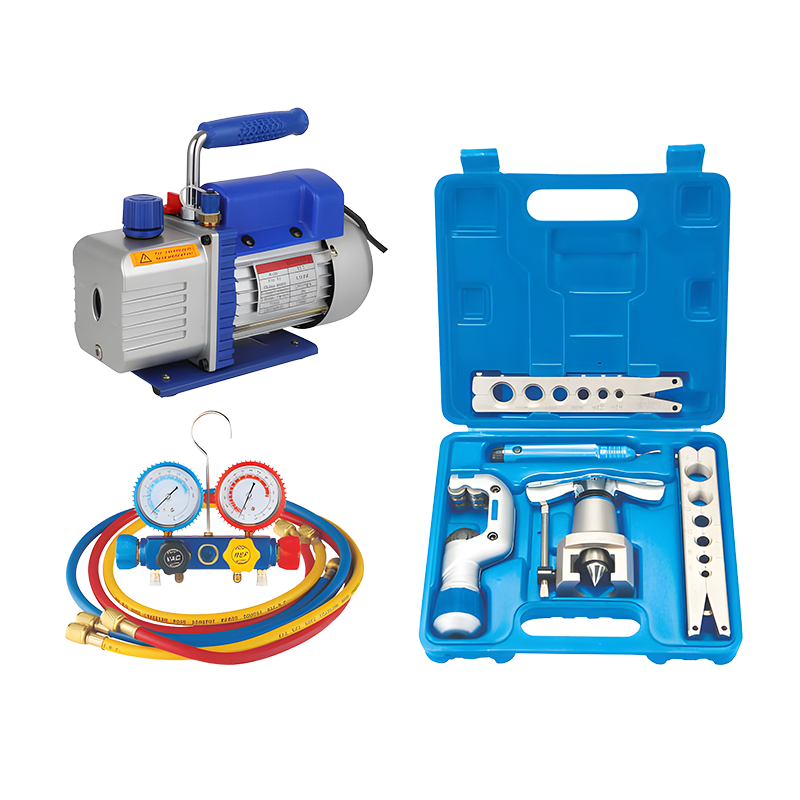
Air conditioning systems need careful preparation before they go back into operation after repair or installation. A vacuum pump handles the job of removing unwanted air and moisture from inside the system before it's sealed up and charged with refrigerant. The equipment itself might look like a fairly plain metal box with a hose attached, but what it's actually doing during that connection involves several steps working together to create the right internal conditions.
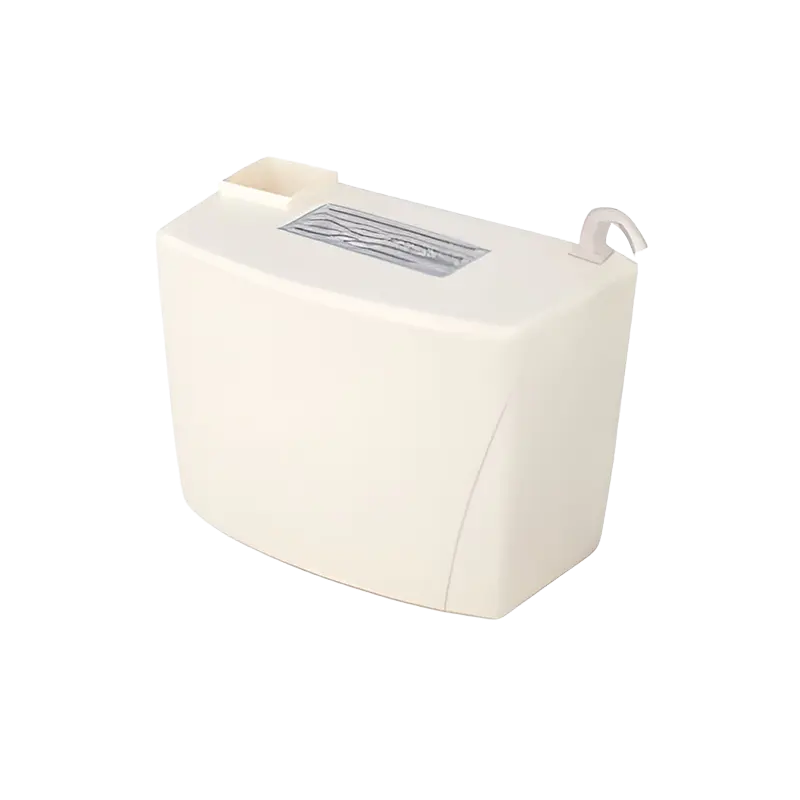
A vacuum pump used in air conditioning service removes unwanted substances from inside the system during maintenance or installation work. Before a system can run properly after any repair, the internal space needs proper preparation, not just a refrigerant refill.
Air, moisture, and other unwanted elements sitting inside the system can genuinely change how the equipment performs once it's running again. The vacuum pump creates a cleaner internal environment by pulling these elements out before anything else gets added back in.
| Function | Purpose |
|---|---|
| Air removal | Pulls trapped air out of the sealed system |
| Moisture reduction | Supports a cleaner internal environment |
| System preparation | Gets the equipment ready before operation resumes |
| Maintenance support | Helps technicians complete service tasks properly |
The vacuum pump has nothing to do with actual cooling. Its job is purely preparation, clearing out what shouldn't be there so the system can work the way it's supposed to once refrigerant goes back in.
The working principle behind a vacuum pump comes down to removing air from a closed space until pressure inside that space drops well below normal.
Once the pump starts running, internal parts begin moving and create a lower-pressure environment inside the connected line. That pressure drop encourages air and unwanted substances sitting inside the air conditioning system to move toward the pump and get pulled out entirely.
The general sequence looks like this:
This looks straightforward from the outside, but each step depends on a proper connection, the right equipment for the job, and careful handling throughout the process.
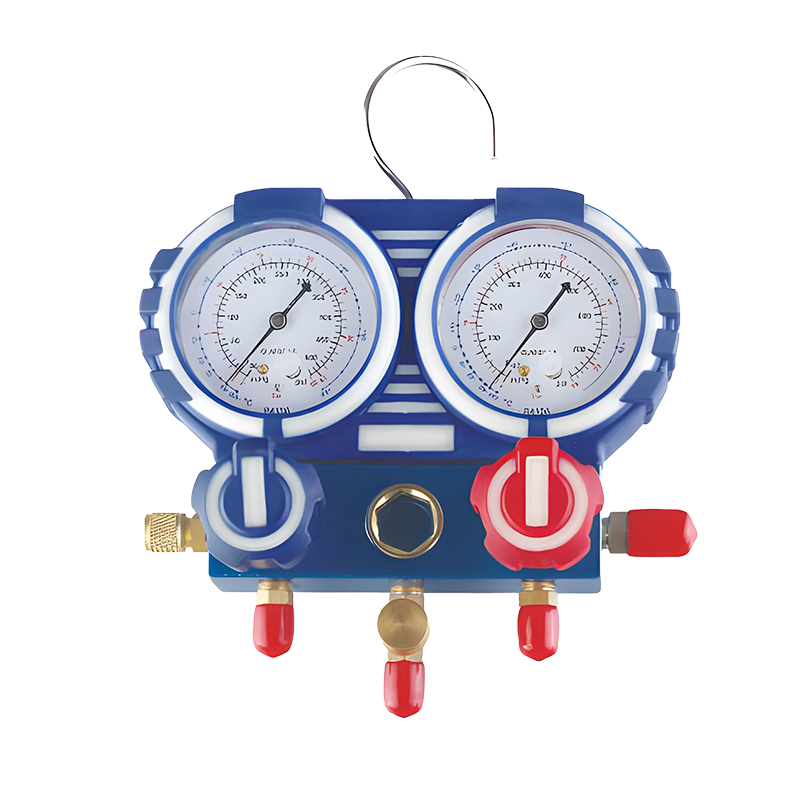
A vacuum pump never adds anything into the system. Its entire task is removal, which is exactly what sets it apart from other service tools that add refrigerant or measure pressure rather than pull substances out.
An air conditioning system is built to run inside a carefully controlled internal environment, not one contaminated with leftover air or trapped moisture.
When unwanted air or moisture stays inside the system, it can change how the whole thing functions once it's running again. These leftover elements can affect internal components and shape how the finished service job actually performs once a customer starts using their system again.
Moisture deserves particular attention here, since it can create its own set of problems once it's trapped inside a sealed system. Removing it properly helps set up the equipment for the next stage of service work, whether that's adding refrigerant or running a final pressure check.
| Concern | Why It Matters |
|---|---|
| Trapped air | Can affect how the system holds pressure |
| Moisture presence | May create internal problems down the line |
| Unclean preparation | Can influence how well the finished job performs |
| Poor maintenance process | May increase the chance of future service calls |
A vacuum pump supports this preparation stage by helping create a cleaner starting point before the system moves on to the next part of the service process.
Technicians mainly interact with the outside of the pump, flipping a switch and watching a gauge, but several internal parts are working together the entire time it's running.
Each part contributes to the actual movement and removal process happening inside. The structure creates the conditions needed for air to actually get pulled out and away from the system.
| Component Area | General Role |
|---|---|
| Motor section | Provides the movement that powers operation |
| Pump chamber | Supports the actual air removal process |
| Connection area | Links the pump to the air conditioning system |
| Control parts | Let the technician manage operation during the job |
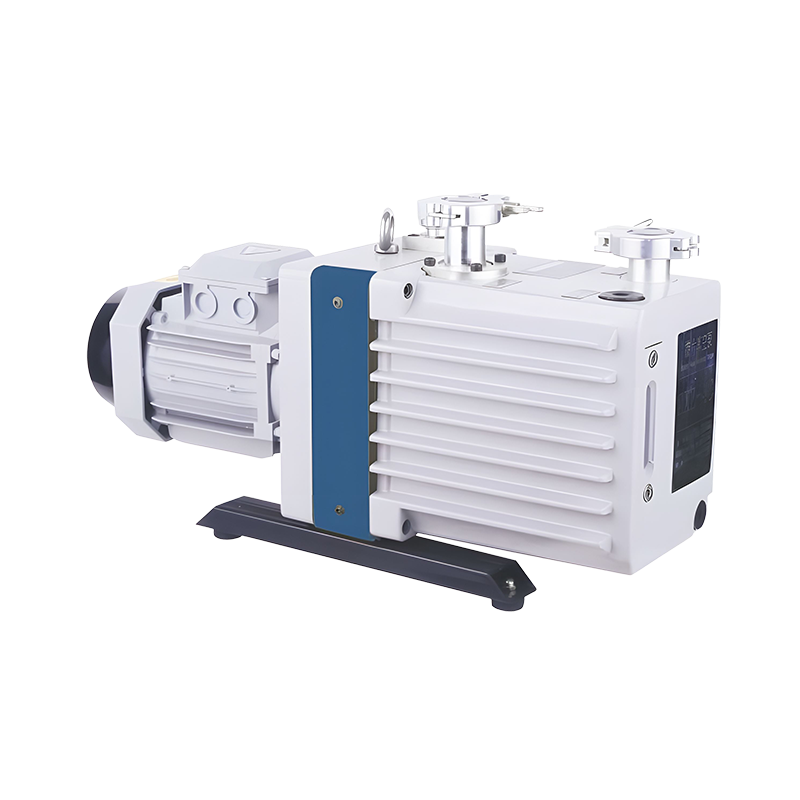
Design varies somewhat between different pump types on the market, but the basic purpose stays consistent across most of them. The internal structure supports whatever movement is needed to pull air and moisture out of the connected system.
Understanding these basic parts helps technicians and buyers recognize why proper handling and regular maintenance genuinely matter, rather than treating the pump as a set-it-and-forget-it tool.
Picking a Vacuum Pump for Air Conditioning Service takes more thought than just comparing how the equipment looks sitting on a shelf.
Different service situations bring different needs. A technician handling occasional maintenance calls has different expectations than a crew running service jobs back to back throughout a full workday.
A few things worth thinking through before buying:
A sound choice depends on how well the equipment actually matches the intended application, not just how it compares on paper against a competing model.
Buyers who take time to understand their own service demands tend to avoid picking equipment based purely on surface features or price alone.
Air conditioning maintenance moves through several connected steps, and each stage shapes what happens next.
A vacuum pump supports the preparation stage specifically, helping remove unwanted elements before the system moves forward into the rest of the service process. Skip this step, or rush through it, and later stages tend to get more complicated.
Without proper preparation, technicians often end up spending extra time checking system conditions or trying to figure out why something's not performing the way it should have from the start.
The vacuum process creates a more predictable starting point for everything that comes afterward.
This matters especially because air conditioning systems are sealed, closed environments. Small changes inside that sealed space can shape overall performance in ways that aren't always obvious until the system's actually running again with a customer relying on it.
A careful preparation process lets technicians move through the rest of the job with genuine confidence that they're not troubleshooting a problem they accidentally created during setup.
Like most equipment used regularly on the job, a vacuum pump changes gradually the longer it stays in service.
Some issues build up slowly enough that they're easy to miss during a busy week of back-to-back service calls.
A few common concerns worth watching for:
None of these situations automatically mean the pump has failed completely. Often they simply point toward the need for an inspection or a bit of routine maintenance before things get worse.
Regular checks help technicians understand the actual condition of their equipment. Paying attention to small changes makes it easier to catch a developing problem before it interrupts an actual service call in front of a customer.
Maintenance supports stable operation and helps protect the pump's working condition over months and years of regular use.
Since this equipment handles air removal tasks repeatedly, keeping both the internal and external areas in reasonable condition genuinely matters for how long it stays reliable.
| Maintenance Task | Purpose |
|---|---|
| Checking external condition | Helps spot visible wear or damage early |
| Keeping connections clean | Supports proper sealing during operation |
| Monitoring unusual sounds | Helps notice developing issues early |
| Following care routines | Supports longer overall usability |
Maintenance doesn't need to turn into a complicated production. Regular attention, even just a quick visual check before and after a job, tends to provide genuinely useful information about how the equipment is holding up over time.
A vacuum pump that gets consistent care becomes easier to monitor simply because the technician using it becomes familiar with what normal operation actually sounds and feels like.
Plenty of buyers focus mainly on the visible features of service equipment, like size or gauge readouts, while understanding the internal process behind it tends to lead to better decisions overall.
Knowing how a vacuum pump actually works helps technicians understand why this step matters, how it supports the rest of the maintenance job, and what factors shape its daily operation on the job site.
For technicians, this understanding tends to improve how carefully they handle the equipment during setup and use. For buyers, it makes comparing products across different suppliers a lot clearer. For maintenance teams managing a fleet of service vehicles, it supports better planning around when equipment needs attention before it becomes a problem mid-job.
A Vacuum Pump for Air Conditioning Service might look like a fairly simple tool sitting in a service van, but its role connects directly to the preparation and overall condition of the entire air conditioning system it's working on. The pump's ability to remove unwanted air and moisture supports the whole maintenance process, while thoughtful selection, regular care, and proper handling all help maintain consistent service quality across every job. Understanding these connections lets technicians and buyers see the equipment as part of a complete maintenance process, rather than treating it as just another isolated tool sitting in a toolbox.
Related Products

Chengbei Industrial Zone, Xinhe Town, Wenling City, Zhejiang Province, China
Copyright © Wenling Xinsheng Mechanical and Electrical Co., Ltd. All Rights Reserved.



 English
 русский
 Español