Aug 07, 2026
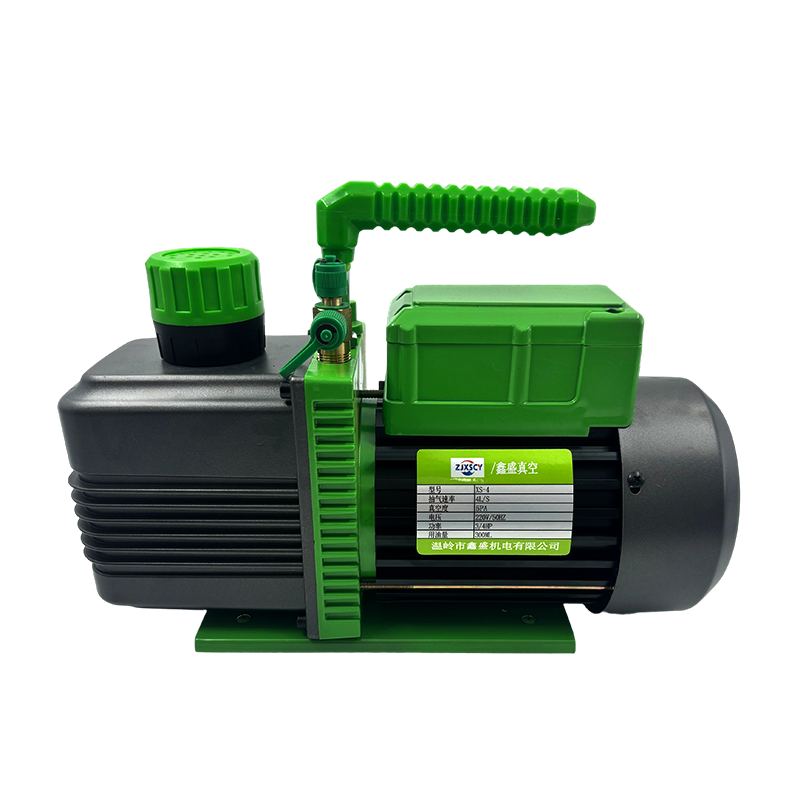
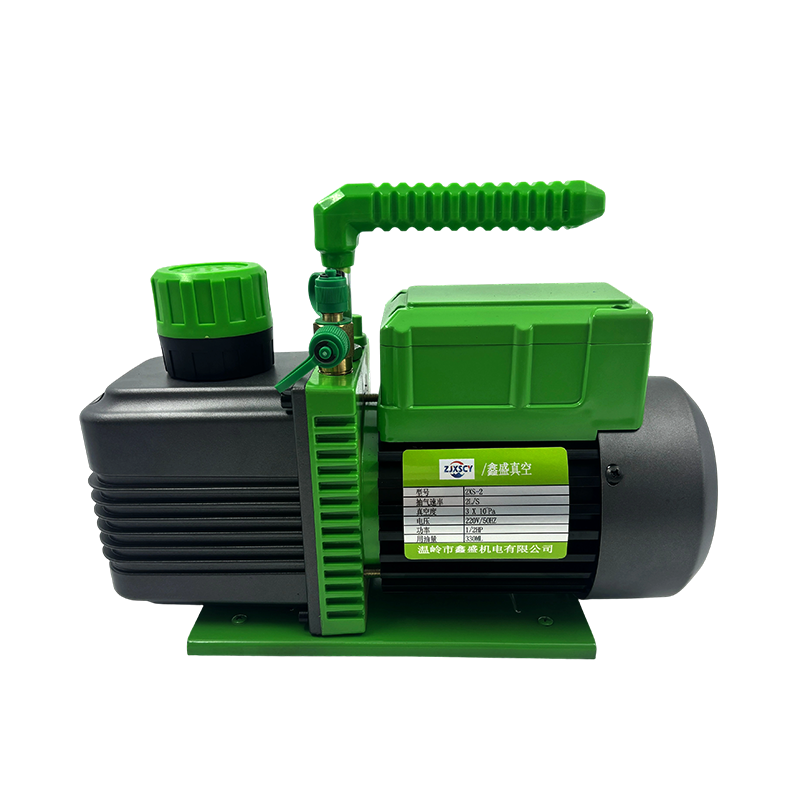
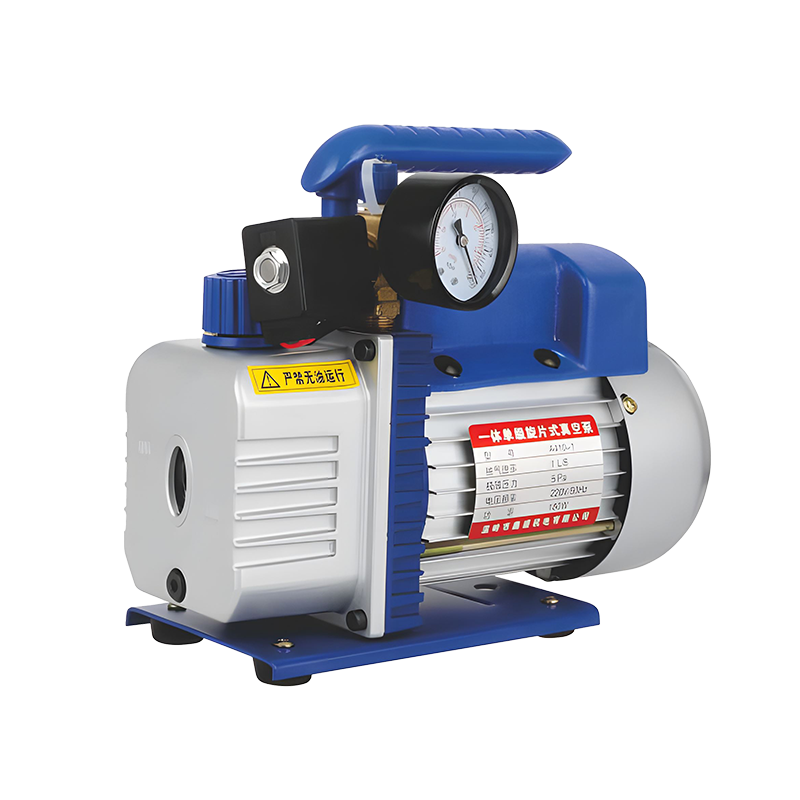
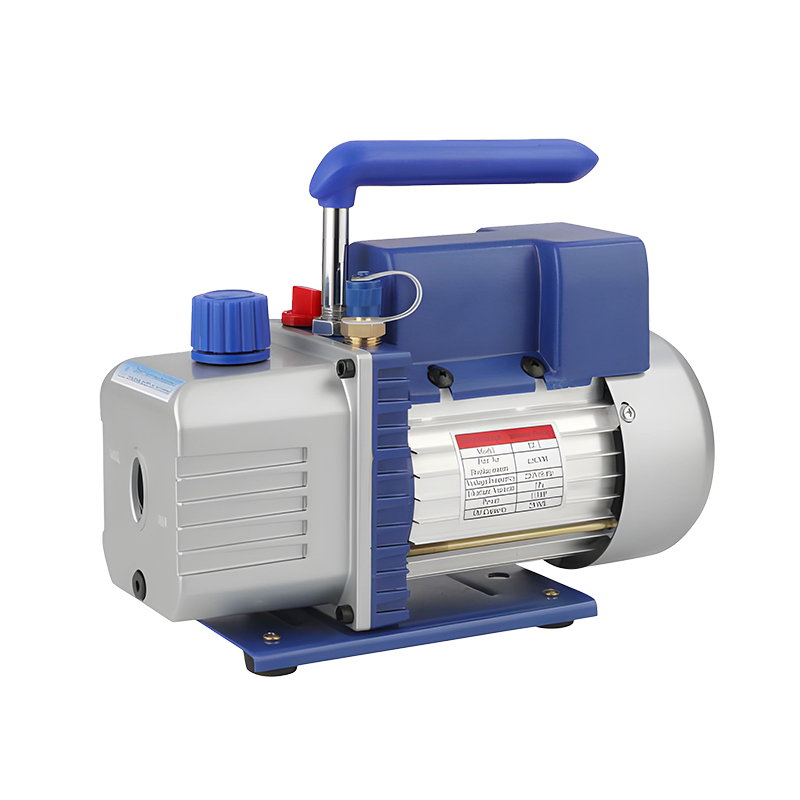
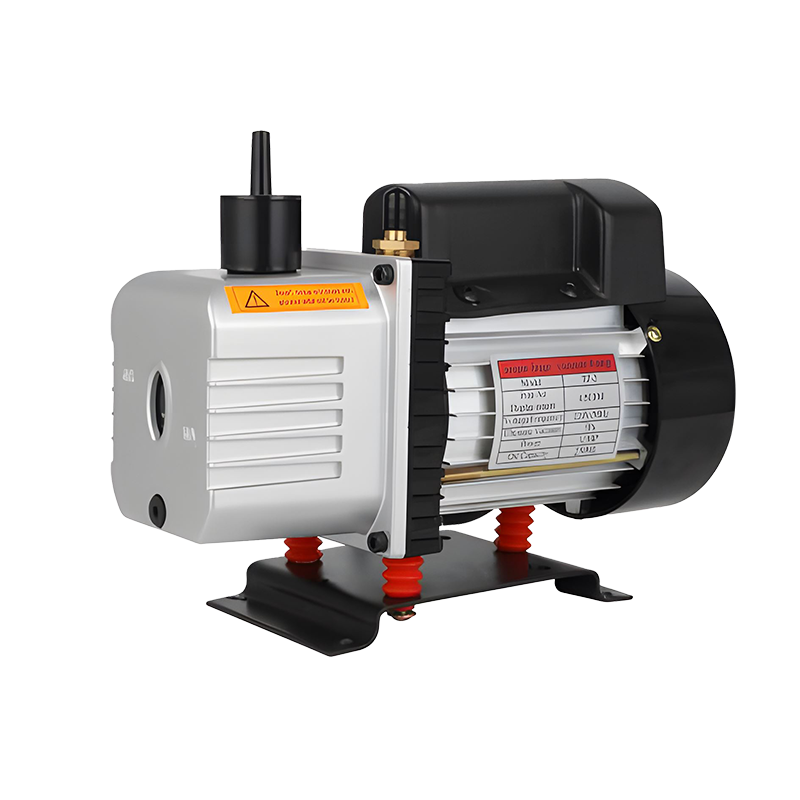
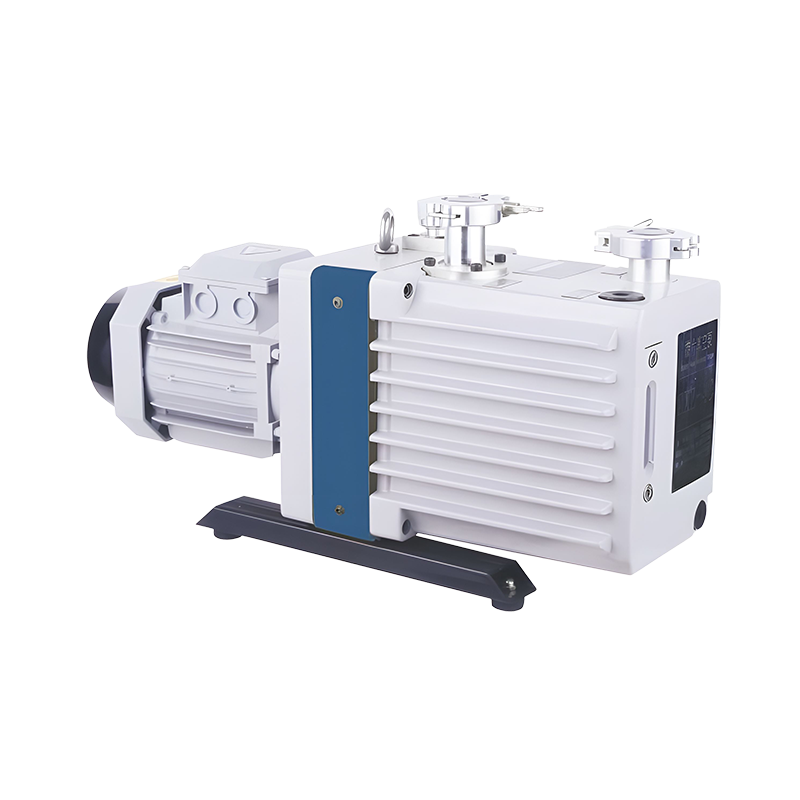
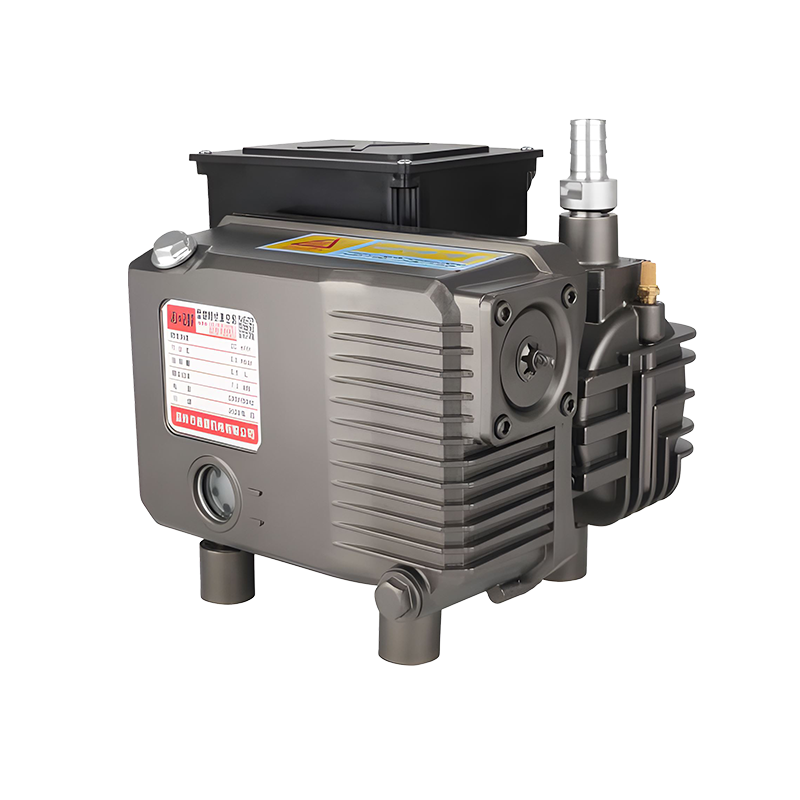
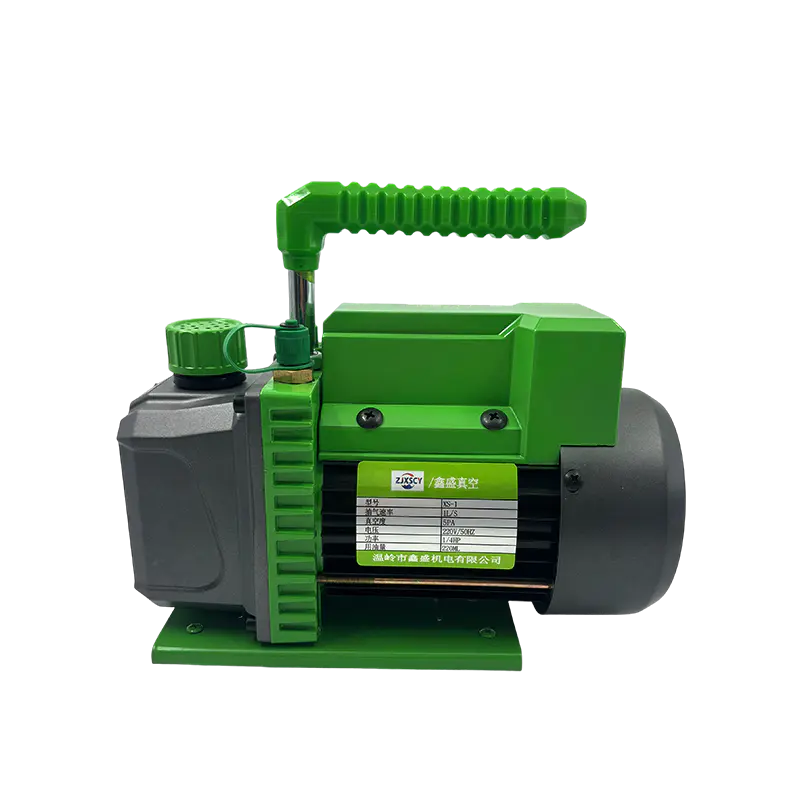
Walk through a food packaging plant and then through a small laboratory down the street, and you'll find the same basic piece of equipment doing very different jobs — pulling air out of a sealed bag in one building, holding a sample chamber steady in the other. Vacuum generation shows up in more corners of daily industrial work than most people realize, and the Vacuum Pump Single Stage has become a common answer when the job calls for something dependable without unnecessary complexity.
Industries today aren't just asking whether a pump works. They're asking how it fits into an existing layout, how much attention it needs over the following years, and whether it can handle a shift in production without a full equipment overhaul. These questions shape how single stage vacuum pumps get designed and where they end up getting used.
A packaging line running different bag sizes each week has different demands than a lab running the same vacuum chamber test every day. Both rely on vacuum equipment, but the pressure on that equipment looks nothing alike.
A few patterns show up repeatedly:
| Changing Situation | What It Asks of Vacuum Equipment |
|---|---|
| Production switching between product types | Pumps that don't need reconfiguration each time |
| Equipment getting added into older facilities | Compatibility with existing piping and power setups |
| Limited floor space near production lines | Smaller footprints that don't crowd nearby machinery |
| Ongoing upkeep across multiple shifts | Structures that are straightforward to inspect and service |
None of this is unusual for a working factory or lab, but it explains why simpler vacuum designs keep finding new applications rather than fading out in favor of more complex alternatives.
A single stage vacuum pump removes air or gas from a sealed space using one continuous mechanical process, rather than passing the air through multiple compression stages. That single-step approach keeps the internal structure fairly straightforward compared to multi-stage designs built for deeper vacuum levels.
Where it typically shows up:
| Setting | Role It Plays |
|---|---|
| Food and product packaging | Removes air to extend shelf life or secure packaging |
| Laboratory setups | Maintains vacuum conditions for testing or sample handling |
| Manufacturing lines | Supports processes like molding or material handling |
| General processing equipment | Assists tasks that rely on controlled air removal |
A technician running a small packaging operation doesn't need the same depth of vacuum a research lab might require for specialized testing — this is often the level that fits daily, practical needs without added complexity.
Anyone who's had to troubleshoot equipment on a tight schedule knows the value of something they can actually understand without pulling up a manual. A pump with fewer internal stages tends to be easier to explain to new staff, easier to diagnose when something feels off, and easier to keep spare parts for.
Benefits that show up in daily operation:
For a mid-sized operation without a dedicated maintenance department, this kind of simplicity often matters more than squeezing out additional vacuum depth.
A vacuum pump installed in one production line rarely stays locked into that exact application forever. Product lines change, packaging formats shift, and equipment sometimes gets repurposed for a different task entirely.
| Adaptability Factor | Why It Helps Day to Day |
|---|---|
| Flexible mounting options | Fits into different equipment layouts without custom brackets |
| Compatibility across tasks | Serves packaging, lab work, or general processing with minor adjustment |
| Compact structure | Slots into tight spaces near other machinery |
| Straightforward operation | Reduces training time when staff rotate between equipment |
A business running seasonal production shifts — more packaging demand at certain times of year, less at others — benefits from equipment that doesn't require constant reconfiguration between those periods.
Vacuum needs stretch across more fields than people usually assume, from food processing to general manufacturing to smaller specialty labs.
| Industry | Typical Use |
|---|---|
| Packaging | Helps seal products by removing trapped air |
| Manufacturing | Supports processes involving molding or assembly |
| Food processing | Maintains conditions suited to preservation |
| General industrial handling | Assists equipment relying on controlled air removal |
A small bakery vacuum-sealing bread and a research facility running sample prep both depend on the same underlying mechanical principle, just applied to very different daily routines.
Floor space in a lot of facilities hasn't gotten any more generous over the years, especially in older buildings retrofitted for newer production methods. Bulky equipment that needs a wide clearance area can force awkward layouts or eat into space needed for other machinery.
Compact vacuum equipment helps with:
A facility manager working with a building that wasn't originally designed for the current production setup knows how much a compact footprint can matter when planning where everything goes.
Downtime on a production line costs more than just the repair time itself — it costs the output that didn't happen while the equipment sat idle. Businesses increasingly factor maintenance access into their equipment decisions before a pump ever gets installed.
| Maintenance Factor | Why It Matters |
|---|---|
| Accessible internal components | Speeds up inspection and part replacement |
| Predictable operation | Reduces unexpected breakdowns |
| Compatibility with existing service routines | Keeps upkeep consistent across equipment |
| Component reliability | Stretches out time between service calls |
A plant running continuous shifts benefits directly when a pump can be checked and serviced quickly rather than requiring extended downtime to access internal parts.
The materials used in a vacuum pump's construction affect more than just its price tag. They shape how well it holds up under repeated cycles, how much it weighs during installation, and how it handles exposure to different working environments.
| Material Factor | What It Affects |
|---|---|
| Durability | How long the pump holds up under daily use |
| Weight | How easily it can be positioned or repositioned |
| Compatibility | Whether it suits specific processing environments |
| Manufacturing approach | How consistently units can be produced at scale |
A facility working near moisture or particulates, for instance, may lean toward materials better suited to that environment rather than defaulting to whatever's cheapest upfront.
Equipment builders aren't just refining a single stage vacuum pump in isolation — they're thinking about how it fits into a broader system that might include packaging machinery, lab instruments, or processing lines built by different suppliers.
Ongoing improvements tend to focus on:
These adjustments matter most to businesses that can't justify replacing an entire production line just to accommodate one new piece of equipment.
Picking a vacuum pump isn't just about matching a spec sheet to a task. It involves thinking through how the equipment will sit within daily operations for years afterward.
| Factor to Consider | Why It Matters |
|---|---|
| Actual application needs | Avoids paying for capability that won't get used |
| Installation conditions | Determines how well it fits the current layout |
| Maintenance routine | Affects long-term cost and downtime |
| Working environment | Influences material and structural requirements |
A business installing equipment in a humid processing environment is weighing different priorities than one setting up a climate-controlled lab, even if both end up considering the same category of pump.
Production methods keep shifting, and the equipment supporting them has to shift alongside — not through dramatic redesigns, but through steady, practical adjustments that make daily operation easier. The Vacuum Pump Single Stage continues showing up across packaging lines, labs, and processing facilities because it offers a level of function that matches what a lot of everyday industrial work actually requires, without asking businesses to manage more complexity than the task calls for.
As facilities keep adjusting layouts, retrofitting older buildings, and shifting between production demands, straightforward vacuum equipment built around practical operation will likely keep finding a place in how these systems get put together.
Related Products

Chengbei Industrial Zone, Xinhe Town, Wenling City, Zhejiang Province, China
Copyright © Wenling Xinsheng Mechanical and Electrical Co., Ltd. All Rights Reserved.



 English
 русский
 Español