Nov 13, 2026
A refrigeration system can have all its components installed correctly and still develop problems if moisture is left inside the pipes. Water can freeze around expansion valves, contaminate compressor oil, and contribute to internal corrosion. These problems are not always obvious immediately after installation.
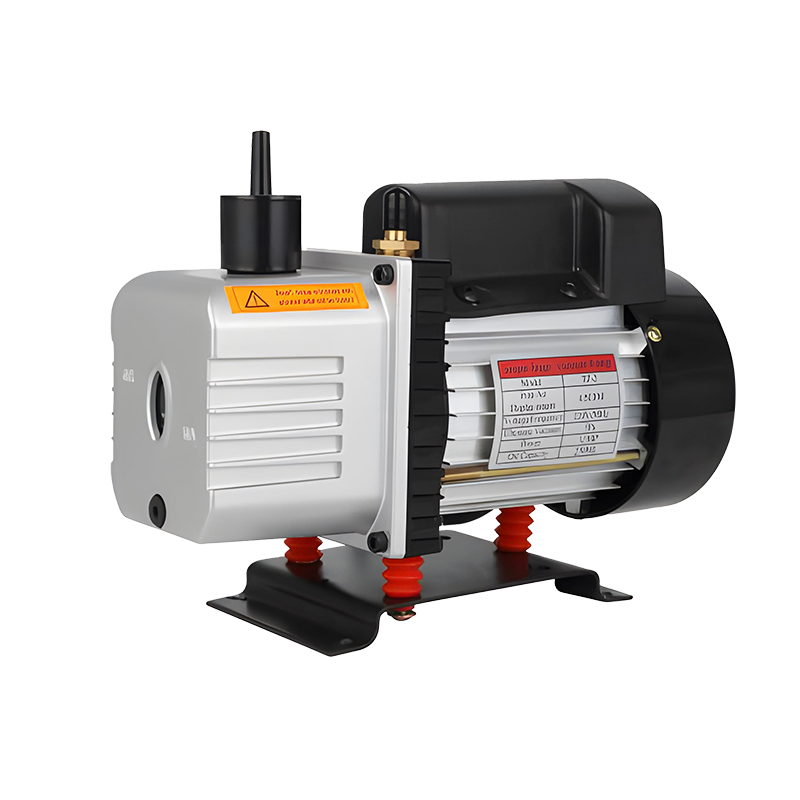
This is why technicians evacuate the system before charging it with refrigerant. An HVAC vacuum pump lowers the pressure inside the circuit, allowing trapped moisture to evaporate so it can be drawn out of the system.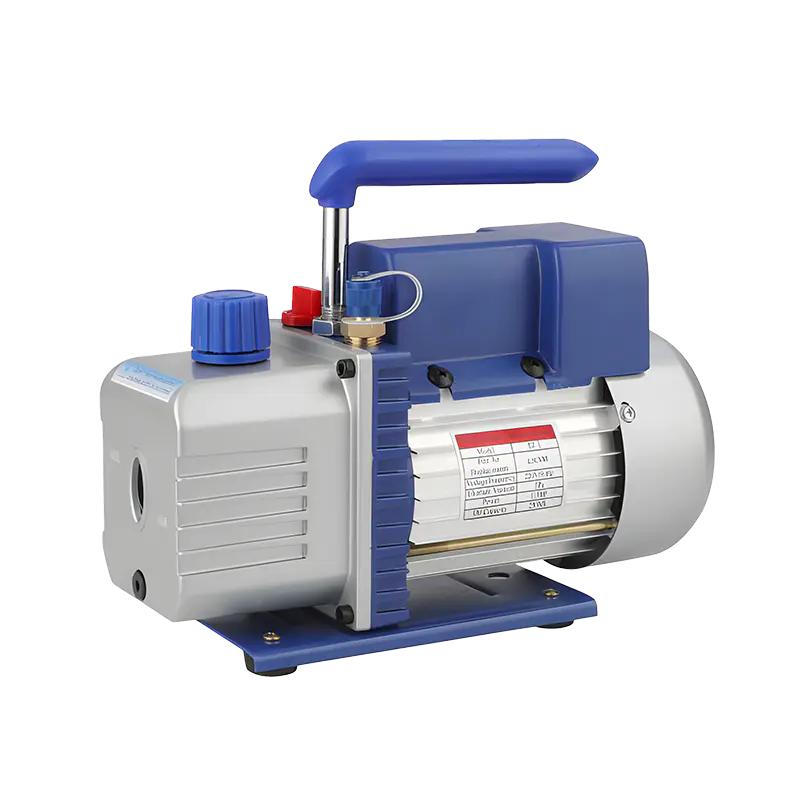
How an HVAC Vacuum Pump Works
Many HVAC vacuum pumps use a rotary-vane mechanism. Inside the pump, a rotor turns with sliding vanes that form sealed chambers. As these chambers expand, they draw gas through the inlet. As they contract, the gas is compressed and discharged through the exhaust.
The pump gradually reduces the absolute pressure inside the refrigeration circuit. As pressure falls, water can evaporate at much lower temperatures than it would under normal atmospheric conditions.
The pump then removes the water vapor along with air and other non-condensable gases. Moisture trapped in compressor oil or on internal surfaces takes longer to evaporate, which is one reason evacuation cannot be judged by pump running time alone.
What Happens When Moisture Is Left Inside?
Water inside a refrigeration circuit can cause several problems:
The amount of moisture, refrigerant type, lubricant, and operating temperature all influence the severity of these problems. Even a relatively small amount of trapped water deserves attention.
Why Vacuum Pressure Matters
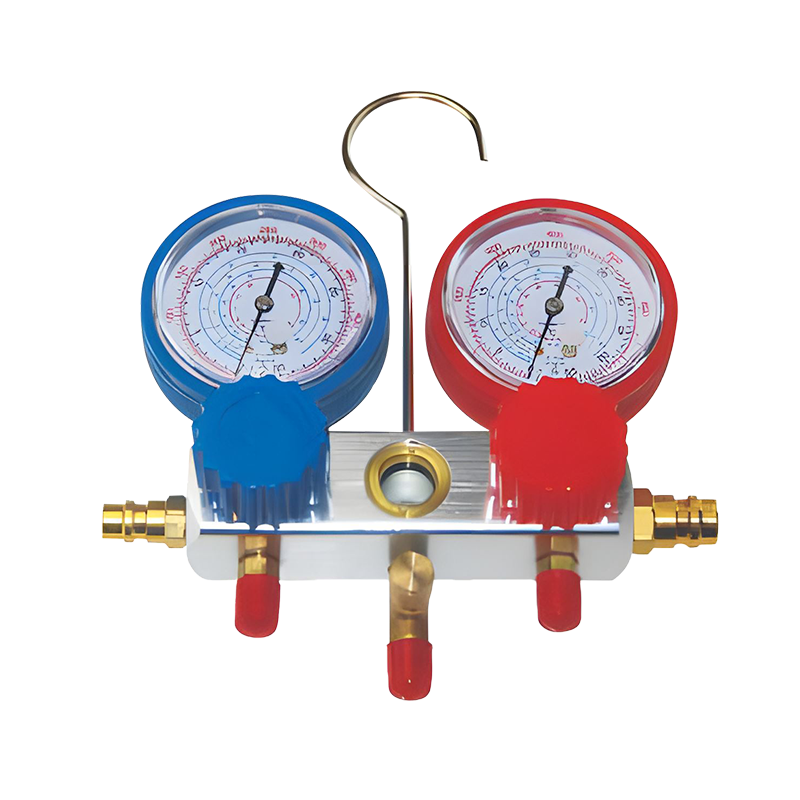
Lower pressure allows water to evaporate more easily. HVAC technicians therefore use a micron gauge to monitor deep vacuum. Ordinary manifold gauges generally cannot provide sufficiently precise readings for this job.
Evacuation usually progresses through several stages:
| Stage | What happens | What to monitor |
|---|---|---|
| Initial evacuation | Air and non-condensable gases leave the system | Connections and initial pressure drop |
| Dehydration | Lower pressure encourages trapped water to evaporate | Micron readings over time |
| Deep evacuation | Remaining vapor is extracted | Whether the pressure continues to fall |
| Standing vacuum test | The system is isolated from the pump | Pressure rise after isolation |
A larger CFM rating does not automatically mean faster dehydration. System volume, moisture content, hose diameter, and connection restrictions also play a part.
Pump oil needs regular attention. Moisture and contaminants can accumulate in it, reducing the pump's ability to maintain deep vacuum. Check its condition and replace it according to the manufacturer's instructions.
What a Vacuum Pump Cannot Do
A vacuum pump removes gases and water vapor. It cannot repair a leaking connection, remove solid debris, or correct damage inside the refrigeration circuit.
Where significant moisture contamination is present, technicians may need additional dehydration procedures, such as an approved dry nitrogen procedure. The method should follow the equipment manufacturer's instructions and applicable safety practices.
Ambient and component temperatures also affect the process. Cold pipes and compressor components slow water evaporation, which can make evacuation take considerably longer.
Getting a Refrigeration System Ready for Charging
The pump is only one part of proper evacuation. Hose selection, leak inspection, gauge placement, pump oil condition, and the moisture level inside the circuit all affect the outcome.
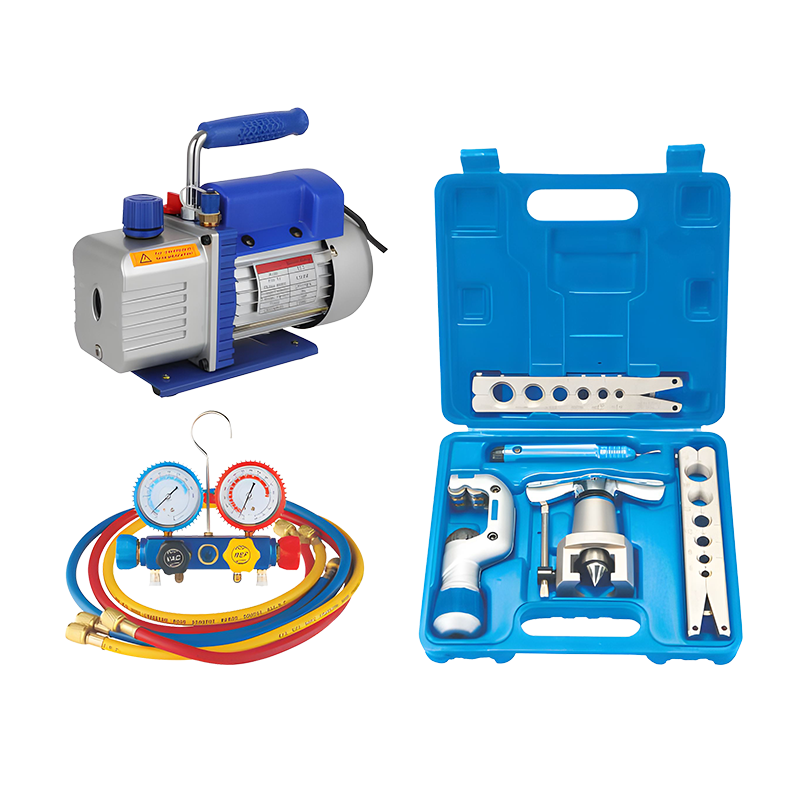
When purchasing an HVAC Vacuum Pump, pay attention to its ultimate vacuum rating, pumping capacity, gas ballast, and service requirements. During actual use, judge the evacuation by the micron gauge and standing vacuum test, not simply by how long the pump has been running.
Related Products

Chengbei Industrial Zone, Xinhe Town, Wenling City, Zhejiang Province, China
Copyright © Wenling Xinsheng Mechanical and Electrical Co., Ltd. All Rights Reserved.



 English
 русский
 Español