Sep 11, 2026
Refrigeration and air conditioning maintenance often involves several small tasks that need to happen in a fairly specific order, even on a job that looks simple from the outside. A technician may need to inspect a system, work on the tubing, prepare connections, remove unwanted air and moisture, and restore the system for normal operation, all within the same service call.
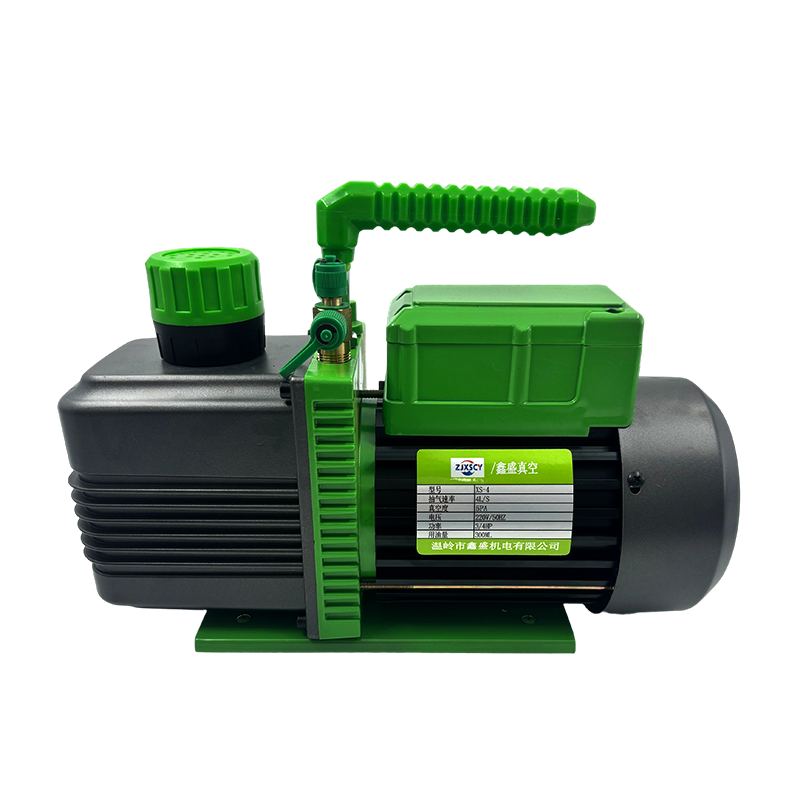
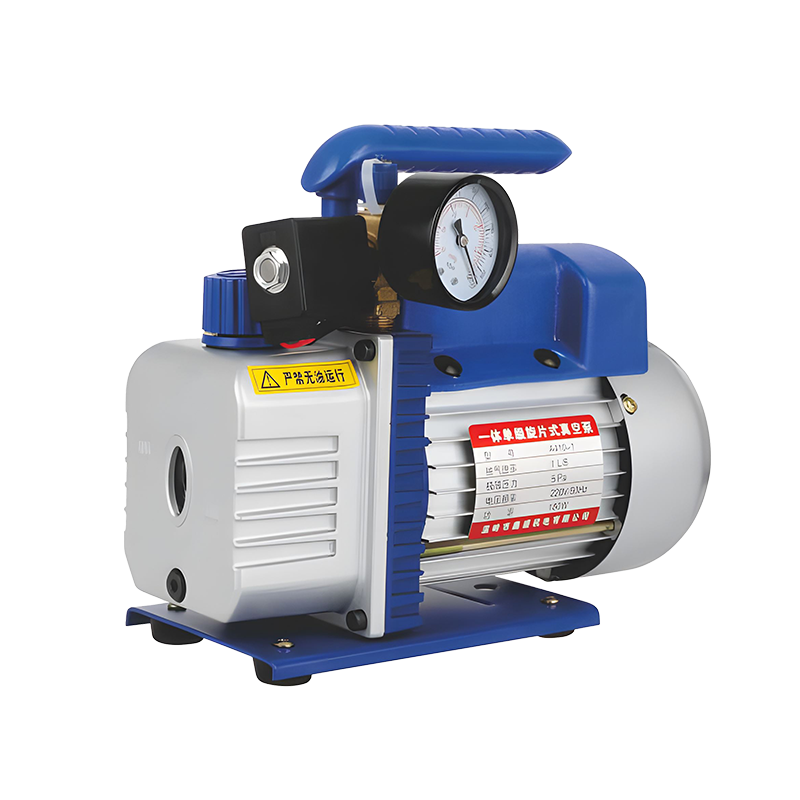
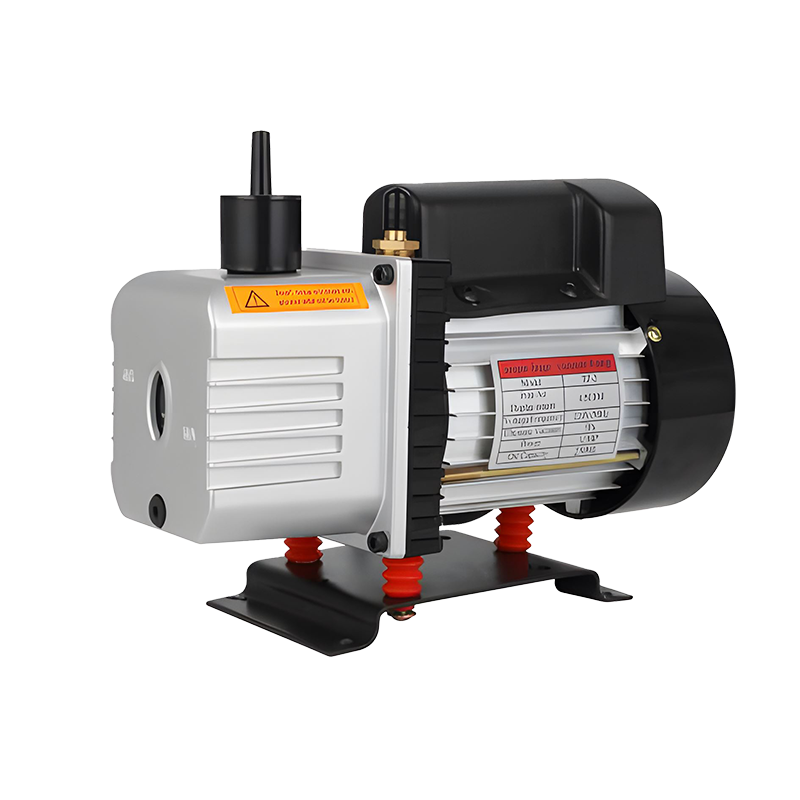
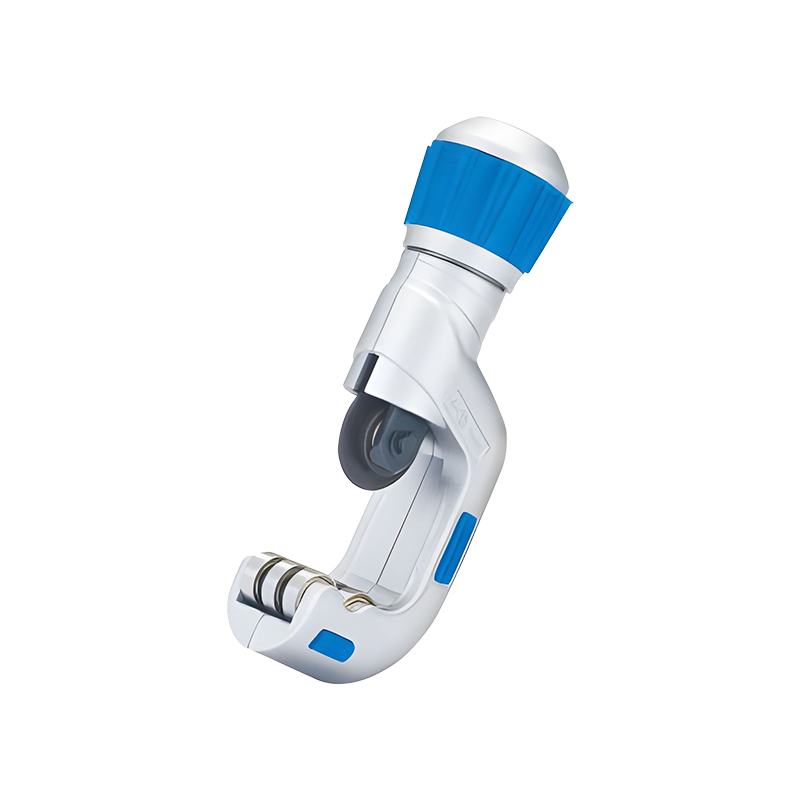
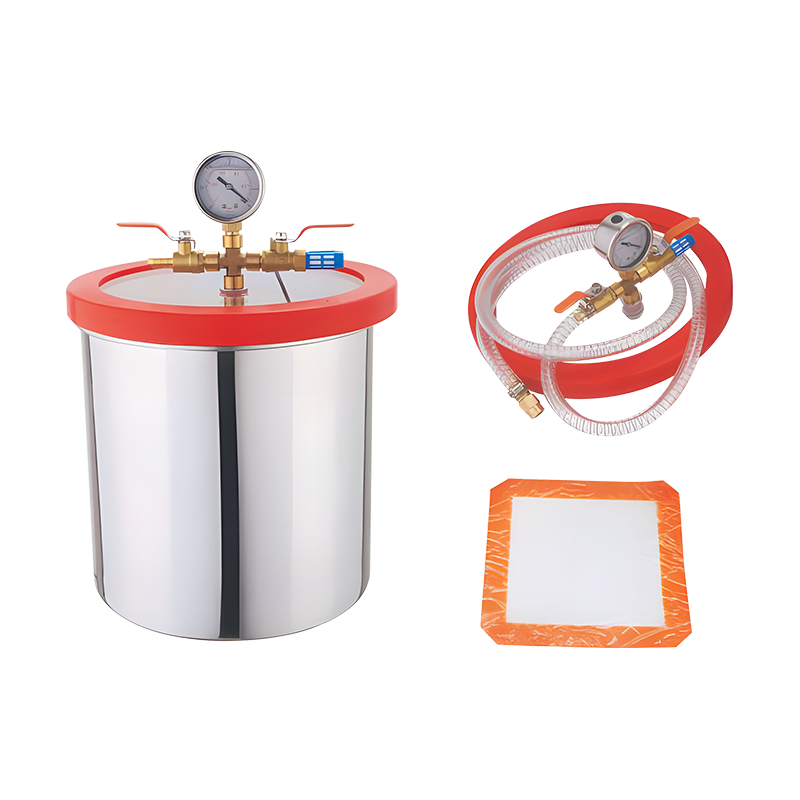
The tools used for these jobs have genuinely different roles, even though they sometimes end up in the same toolbox. A Vacuum Pump Single Stage is associated with preparing the refrigeration system after work has been carried out, while a manual copper tube cutter gets used when tubing needs to be cut or adjusted before that stage. These tools don't perform the same task at all. One works with the internal condition of the system, while the other helps shape the physical tubing running through the refrigeration circuit.

Their value becomes a lot clearer when they're considered as parts of a maintenance workflow rather than standalone products. A clean tube cut can make the next connection genuinely easier to prepare, while proper system preparation can follow once tubing work and other maintenance tasks have actually been completed. For service technicians, understanding this sequence can help organize the job a lot more naturally, without stopping mid-task to figure out what comes next. For tool manufacturers, it also shows why refrigeration maintenance equipment needs designing around actual field activities, rather than isolated functions dreamed up on a drawing board.
A refrigeration system is made up of connected parts, but maintenance rarely involves only one action from start to finish. A technician may work on the tubing during one stage of a job and then prepare the system during a completely different stage later on.
This creates a practical division between physical preparation and system preparation, two categories that don't overlap much. A copper tube cutter belongs to the physical side of the job, the hands-on part. It helps the technician create a clean, controlled cut when a section of copper tubing needs removal or adjustment mid-repair.
The vacuum pump belongs to a different stage entirely. It gets used after the relevant system work has been completed, to remove unwanted air and moisture from the system before the next stage of service can begin.
| Maintenance Task | Related Tool Role |
|---|---|
| Inspecting tubing | Identify areas requiring attention |
| Cutting tubing | Manual copper tube cutter |
| Preparing a tube connection | Clean and controlled tube end |
| System preparation | Vacuum pump |
| Final service work | Follow the appropriate service procedure |
The distinction matters quite a bit, because the tools aren't interchangeable no matter how convenient that might be. A cutter cannot prepare the internal condition of the refrigeration system on its own, while a vacuum pump cannot replace careful tubing preparation done beforehand. Thinking about them as parts of one connected workflow makes their relationship a lot easier to understand for anyone new to the trade.
Copper tubing is a genuinely important part of many refrigeration and air conditioning systems, running through walls and around equipment in ways that aren't always convenient. During maintenance, a technician may need to shorten a tube, remove a damaged section, or adjust the tubing arrangement before making another connection.
A manual copper tube cutter provides a controlled way to make that cut, rather than forcing the issue with whatever's on hand. Compared with simply trying to snap or saw a tube apart, a dedicated cutter allows the technician to work around the tubing with a lot more deliberate, steady motion.
The cutting stage can affect what happens well afterward, not just the immediate moment. A poorly prepared tube end may create extra work later, when the technician needs to clean, shape, or connect the tubing to something else.
A typical tubing workflow can include several steps worth following in order.
The exact procedure depends heavily on the system and the type of repair being performed that day. The important point is that tube cutting is part of a larger sequence, not a standalone task that ends the moment the tube falls apart.
The cutter therefore shouldn't be considered only as a simple hand tool tossed in a bag. Its design can genuinely influence how easily a technician handles the tubing during a repair, especially in tight spaces.
Refrigeration maintenance often moves from physical work toward system preparation, in that general direction most of the time. Before a technician can prepare the internal condition of the system, the tubing and connections need to be in a genuinely appropriate state first.
This is where the two tool categories become connected, even though they're used at different moments. Suppose a section of copper tubing needs replacing on a job. The technician first has to create a suitable tube end and complete the required connection work before moving on. Only after that relevant work is finished can the system move toward the preparation stage involving a vacuum pump.
The sequence can be viewed fairly simply: tubing inspection leads to cutting, which leads to tube preparation, which leads to connection work, which finally leads to system preparation.
This doesn't mean every service job follows exactly the same sequence step for step. Different repairs can involve different steps entirely, and technicians should follow the service procedures appropriate to the specific equipment in front of them. The general relationship still stays useful, though, because it separates two genuinely different types of work that shouldn't get confused.
The manual copper tube cutter helps shape the physical part of the system, the tubing itself. The vacuum pump is then associated with preparing the system after the repair work has changed or opened the refrigeration circuit in some way. This distinction can help prevent tools from being used outside their intended role, which happens more often than it should on a rushed job.
A Vacuum Pump Single Stage is used in refrigeration and air conditioning maintenance when the system needs preparation by removing unwanted air and moisture before the appropriate next service step can happen. This isn't a step technicians skip casually.
This task usually comes after relevant tubing or component work has wrapped up. If the system has been opened during maintenance for any reason, the technician needs to follow the equipment-specific procedure for restoring the system properly. The vacuum stage is therefore part of a larger maintenance process, rather than an independent activity performed on its own.
The relationship can be understood through the changing condition of the system over the course of a job. Before maintenance begins, the refrigeration circuit has its existing operating condition, whatever that happens to be. During repair, the system may need to be opened or modified in some way. After the physical work is completed, the system may then require preparation before the next service stage can proceed.
The vacuum pump belongs to this final preparation area, not any of the earlier stages.
| Maintenance Stage | Main Concern |
|---|---|
| Before repair | Understand system condition |
| During tubing work | Handle and prepare the tubing |
| After connection work | Check the completed repair |
| Vacuum preparation | Remove unwanted air and moisture |
| Following service | Continue according to equipment procedure |
A single-stage pump can therefore be viewed as one tool within a larger service process, not the whole process itself. Its usefulness depends heavily on when it's used and how well it fits with the other maintenance steps surrounding it. This also explains why the pump shouldn't be treated as a substitute for careful tubing work done earlier. The two tools address genuinely different parts of the same service sequence.
Tool order can make a genuinely noticeable difference during field maintenance, especially on a busy day with several calls stacked up. When a technician knows which tool belongs to each stage of a job, there's a lot less need to interrupt the work just to rethink the workflow halfway through.
A typical repair may involve inspection, tubing work, connection preparation, system preparation, and follow-up checks, roughly in that order. The tools used at each stage should support that flow rather than fight against it.
For example, a manual copper tube cutter may be needed near the beginning of a tubing repair, right after the problem area gets identified. The vacuum pump is a lot more relevant later, once the system has reached the appropriate preparation stage.
This creates a practical division worth keeping in mind.
| Tool | Typical Place in the Workflow |
|---|---|
| Tube inspection tools | Initial assessment |
| Manual copper tube cutter | Tubing adjustment |
| Tube preparation tools | Connection preparation |
| Vacuum pump | System preparation |
| Service equipment | Follow-up maintenance |
The sequence can shift depending on the repair at hand, of course. Some jobs may require several rounds of inspection or additional work before the system is genuinely ready for preparation. What matters most is that technicians understand the purpose of each tool before starting the job, rather than figuring it out as they go.
This can also help manufacturers develop products around real service routines rather than assumptions. A tool that's easy to handle and store can fit a lot more naturally into a technician's existing work process, van and all.
Refrigeration tubing doesn't always run through open and convenient spaces, unfortunately. Pipes may pass around other equipment or through fairly confined areas, making access a genuinely important part of the cutting task before anything else happens.
A manual copper tube cutter needs to be used around the tubing itself, wherever it happens to sit. This means the surrounding space can affect how easily the technician can position and operate the tool without banging into something nearby.
The tubing layout may include bends, connection points, supports, and nearby components crowding the area. Each of these can affect where a cut can reasonably be made without extra hassle.
Before cutting, a technician may need to consider several practical points.
These considerations are genuinely practical rather than theoretical exercises. A cut that looks simple on an open workbench may require a lot more planning inside an installed air conditioning or refrigeration system, tucked behind a unit or against a wall.
Tool design can respond to these realities through handling, positioning, and ease of operation. The goal is helping the technician work with the existing tubing layout, rather than requiring unnecessary changes to the surrounding system just to make room.
Vacuum preparation shouldn't be treated as an automatic step that can begin without checking the condition of the system first. The relevant repair work needs to be genuinely complete, and the technician should follow the service procedure appropriate to the refrigeration or air conditioning equipment involved.
The condition of the connections also matters a great deal at this stage. If tubing work has just been completed, the technician should inspect that work carefully before moving on to the next stage of the job.
A simple preparation check can include several steps worth running through.
The Vacuum Pump Single Stage should be considered part of this organized process, not a shortcut around it. Its role begins when the system is genuinely ready for vacuum preparation, not simply because the repair happens to involve refrigeration equipment somewhere in the mix.
Technicians also need to follow applicable safety and handling procedures when working with refrigeration systems throughout the job. The exact requirements can vary quite a bit depending on the equipment, refrigerant, workplace, and local rules governing the area.
Field technicians rarely perform exactly the same repair every single day, even within the same route. One service call may involve a short tubing adjustment that takes minutes, while another may require a lot more extensive work on the refrigeration circuit itself.
This creates a genuine need for tools that fit different working situations without making the workflow unnecessarily complicated along the way. For a manual copper tube cutter, practical handling can matter a great deal when access is limited or when tubing needs adjusting inside an already installed system. The tool should allow the technician to control the cutting action without creating unnecessary movement around nearby components crowding the space.
A vacuum pump has a genuinely different role and therefore comes with different design considerations entirely. Portability, handling, storage, and connection arrangements can all influence how easily it fits into a service routine that involves driving from job to job all day.
The two tools can be viewed through fairly separate design priorities.
| Tool Type | Practical Design Focus |
|---|---|
| Manual copper tube cutter | Handling around existing tubing |
| Vacuum pump | Transport and setup during system preparation |
| Tube preparation tools | Preparing the cut end |
| Service accessories | Supporting the overall maintenance sequence |
The important point here is that tool design should follow the task at hand, not the other way around. A product doesn't need to perform every maintenance function to be genuinely useful on the job. Instead, each tool can support a specific stage and work alongside other equipment already in the technician's kit.
Refrigeration maintenance gives tool manufacturers a fairly clear picture of how different products actually get used together in the field. A cutter may get handled during tubing repair early in a job, while a pump becomes relevant a lot later in that same service call.
This relationship can genuinely influence product development if manufacturers pay attention to it. Manufacturers can consider how technicians carry tools between jobs, how much working space is normally available on-site, how quickly a task needs preparing, and how one stage connects with the next in practice.
For a Vacuum Pump Single Stage, this may mean considering how the pump fits into field service routines after tubing and connection work has wrapped up. For a manual copper tube cutter, the focus may land more on controlled handling around existing copper lines in awkward spots.
The two products solve genuinely different problems, but they belong to the same maintenance environment day after day. That makes the overall workflow a genuinely important reference point for product design decisions. When manufacturers understand where a tool gets used, what happens immediately before it, and what task follows afterward, they can develop products that fit naturally into refrigeration and air conditioning service work instead of sitting awkwardly apart from it.
This approach also helps keep product descriptions honest and clear for buyers. Instead of suggesting that one tool can solve every maintenance challenge under the sun, manufacturers can explain the specific stage each product is designed to support, and how it fits alongside the other equipment technicians already carry with them on the job.
Related Products

Chengbei Industrial Zone, Xinhe Town, Wenling City, Zhejiang Province, China
Copyright © Wenling Xinsheng Mechanical and Electrical Co., Ltd. All Rights Reserved.



 English
 русский
 Español