Sep 18, 2026
HVAC installation involves genuinely many small steps that affect the final condition of the system installed at a job site. Tubes need to get prepared carefully before any connection happens. Connections need to get made in an orderly way, one after another. Internal air and unwanted moisture also need addressing before the system gets placed into normal service for the customer.
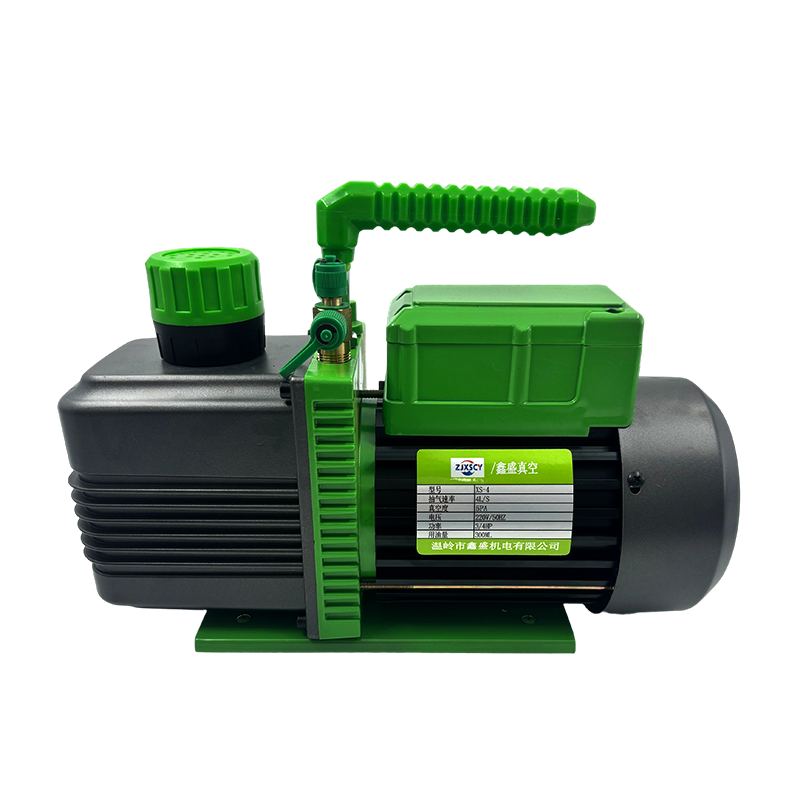
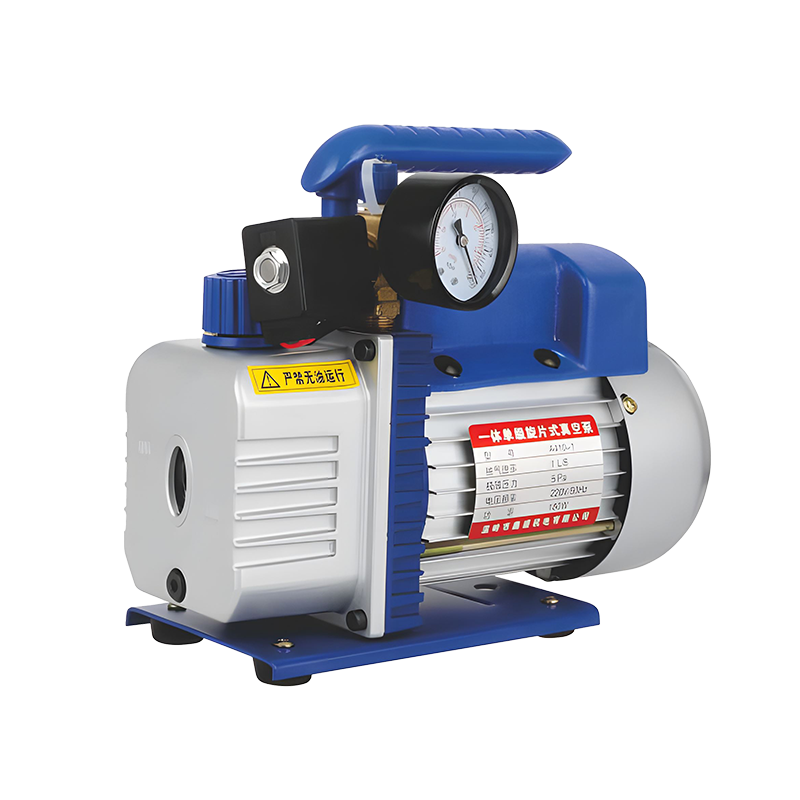
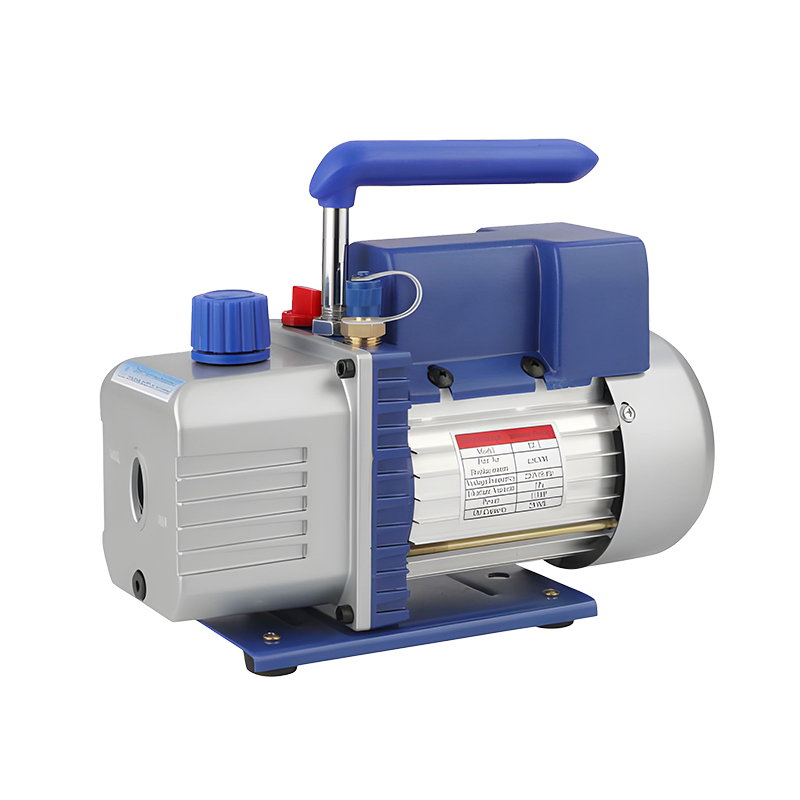
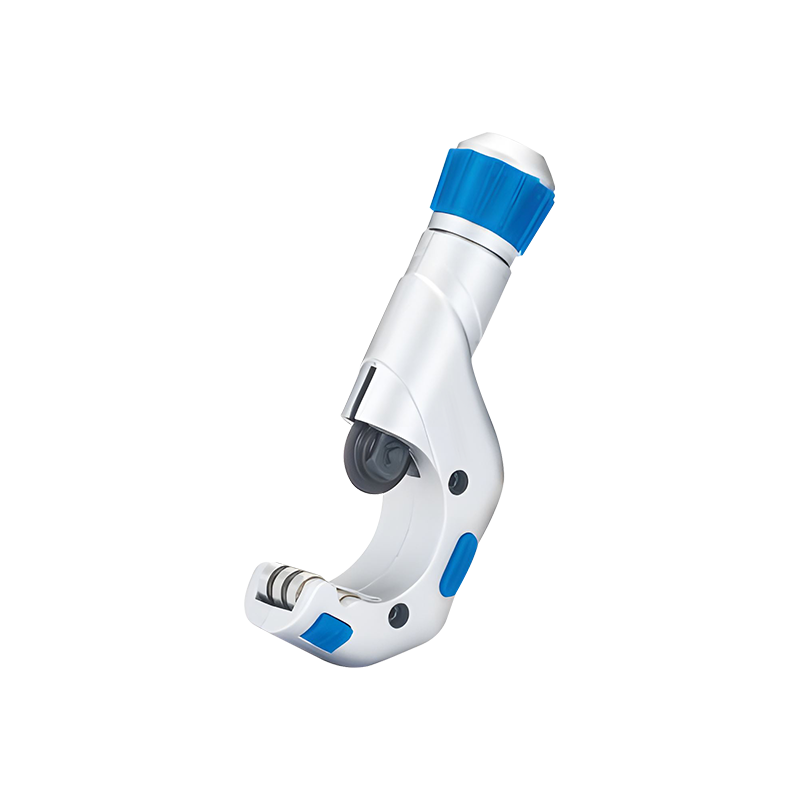
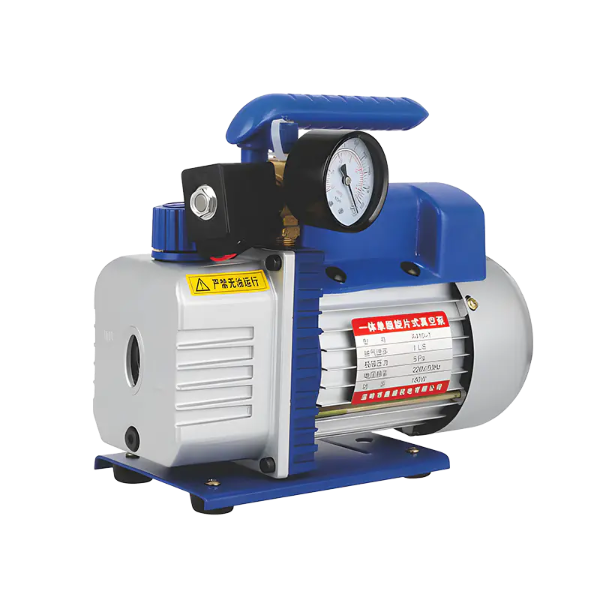
Two simple tools can support genuinely different parts of this process. A Vacuum Pump Single Stage gets used during the preparation of the system after the refrigerant circuit has been assembled by the crew. A Manual Copper Tube Cutter gets used earlier when copper tubing needs cutting to the required shape and route through the building.
Although these tools perform genuinely different jobs, their roles are connected in a practical way. A clean tube cut can support a genuinely more suitable connection, while proper evacuation helps prepare the closed system before operation begins. The quality of one stage can affect the work that follows down the line.
For installers, this means tool selection is only part of the discussion worth having before a job starts. The way each tool gets used within the installation sequence also matters quite a bit to the outcome.
Copper tubing forms a genuinely important part of many HVAC systems installed in homes and offices. During installation, the tubing may need to follow a particular route between equipment and connection points across a room.
This often means longer pieces need cutting and preparing right on site rather than pre-cut at a shop. A clean and controlled cut makes the next step genuinely easier for the installer working nearby.
| Cutting Step | Purpose |
|---|---|
| Identify the section for removal | Confirms the exact length needed |
| Position the cutter around the tube | Establishes a controlled starting point |
| Guide the cutter through the material | Maintains a steady, even cut |
| Separate the tube without deforming it | Preserves a usable end shape |
| Inspect the cut before continuing | Catches issues before assembly |
A rough or uneven cut can make tube preparation genuinely more difficult and may affect how the connection forms down the line. The installer therefore needs to treat cutting as part of the connection process, rather than as a simple preliminary task tossed aside quickly.
A Manual Copper Tube Cutter gives the installer genuinely direct control over this stage of the job. Instead of relying on a general cutting method borrowed from another trade, the tool gets designed specifically around copper tubing used in HVAC work.
HVAC installation often takes place in spaces where movement is genuinely restricted, like a tight mechanical closet or crawlspace. Tubing may get installed close to walls, equipment, ceilings, or other building components already in place.
A cutting tool that can get handled directly at the work location can make tube preparation genuinely more manageable for the crew on site.
| Handling Factor | Benefit During Installation |
|---|---|
| Direct tool control | Clear sense of cutting point |
| Compact operation | Works in tight spaces near equipment |
| Adjustable per tube | Fits different routes on the same job |
| Reduced disturbance | Keeps the work area organized |
A Manual Copper Tube Cutter doesn't require a complicated process to operate correctly. The installer guides the tool around the tube and gradually works through the copper without rushing the motion. This gives the user a genuinely clear sense of where the cut is being made along the length.
Control becomes useful when several tubes need preparing for different connection points around a building. Each tube may have a genuinely different route, so the installer needs to make cuts that fit the actual installation, rather than relying on a single fixed arrangement copied from a manual.
The main value is therefore connected genuinely with preparation rather than speed alone. The cutter helps turn longer tubing into usable sections, while giving the installer a practical way to control the cutting point precisely.
Cutting is only one part of tube preparation on a job site. Once the copper tube has been separated, the installer needs to inspect the cut and prepare the tube for its next connection nearby.
The end of the tube should get checked for unwanted deformation or rough areas left behind by the blade.
| Installation Stage | Main Purpose |
|---|---|
| Tube measurement and routing | Establish the required tube path |
| Cutting | Separate tubing at the planned point |
| Tube preparation | Check and prepare the cut end |
| Connection | Join the tube with the related components |
| System checking | Review the assembled circuit |
| Evacuation | Remove unwanted air and moisture from the circuit |
Any issue at this stage can make the following connection work genuinely less convenient for the installer moving to the next step. A careful installer therefore doesn't immediately move from cutting to the next operation without checking the work first.
The surrounding work area also needs attention during this pause. Small particles or unwanted material shouldn't get allowed to remain inside the tubing before it gets joined to another component.
This is where the different stages of HVAC work begin to connect genuinely with one another. Tube cutting affects the condition of the tubing itself. Tube preparation affects connection work that follows. Connection work determines whether the circuit can get assembled as intended by the design.
Once the tubing and other parts of the circuit have been connected throughout the system, the system contains more than the intended refrigerant path alone. Air and moisture may remain inside the circuit as a result of the installation process itself.
Before normal operation begins, installers need to prepare the system, so unwanted contents get removed from the sealed loop.
| Evacuation Step | Description |
|---|---|
| Tubing and components assembled | Physical circuit is complete |
| Connection points checked | Confirms readiness for evacuation |
| Evacuation equipment connected | Pump attached at service port |
| Air and moisture drawn out | Vacuum pulls unwanted contents |
| System checked before operation | Confirms readiness for refrigerant charge |
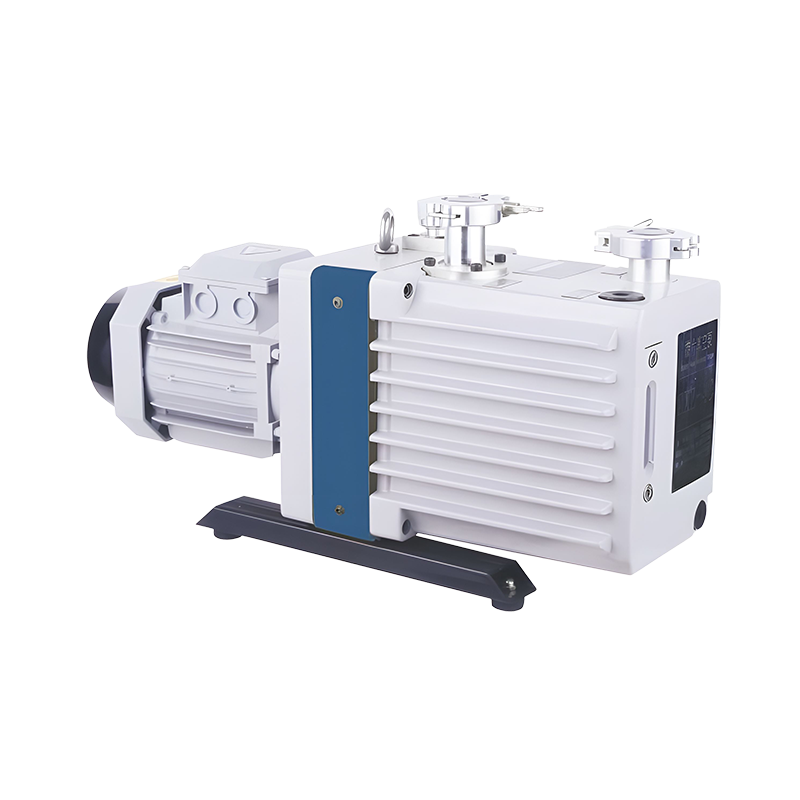
A Vacuum Pump Single Stage provides a genuinely practical way to create the vacuum needed for this process. The pump gets connected to the system through the appropriate service arrangement, allowing air and moisture to get drawn from the closed circuit steadily.
This stage is genuinely different from tube cutting, but the two steps belong to the same installation workflow moving forward. The tubing must get assembled before the system can get evacuated properly.
Evacuation also provides a genuinely important pause between physical assembly and normal operation of the unit. Instead of moving directly from connection work to system use, the installer has an opportunity to prepare the internal condition of the circuit thoroughly.
A Vacuum Pump Single Stage gets designed around a genuinely specific task: creating a vacuum in an HVAC circuit during system preparation before charging. Its role begins after the relevant parts of the circuit have been connected and checked by the crew.
The pump needs to get used as part of a controlled installation process rather than a standalone step disconnected from the rest.
| Tool | Installation Stage | Main Function |
|---|---|---|
| Manual Copper Tube Cutter | Tube preparation | Cuts copper tubing for assembly |
| Connection tools | Assembly | Join prepared tubing and components |
| Vacuum Pump Single Stage | System preparation | Helps remove unwanted air and moisture |
| Inspection equipment | Checking | Helps assess the assembled system |
The pump doesn't correct every installation problem sitting upstream in the process. If a connection is poorly made, evacuation alone can't turn it into a suitable connection after the fact. This is why earlier steps remain genuinely important to the outcome.
The relationship between tools can get described genuinely clearly when viewed this way. The Manual Copper Tube Cutter helps prepare the physical tubing at the start. The Vacuum Pump Single Stage helps prepare the internal condition of the assembled circuit at the end.
Tube cutting and evacuation aren't directly the same operation performed at different times. However, the condition of the tubing and connections can genuinely influence the overall installation process from start to finish.
A cleanly prepared tube can make the connection stage genuinely more controlled for the installer working through the sequence.
| Workflow Chain | Sequence |
|---|---|
| Tube route | Establishes the planned path |
| Cutting | Separates material at the right point |
| Tube preparation | Confirms a usable end |
| Connection | Joins components into a circuit |
| System check | Verifies assembly integrity |
| Evacuation | Removes unwanted air and moisture |
A suitable connection then forms part of the closed circuit that will later get evacuated by the pump. If the circuit isn't assembled correctly, evacuation may not proceed as expected once the equipment gets connected.
This shows why the quality of earlier mechanical work still matters genuinely, even when the installer reaches the pump stage much later in the day. This approach also helps reduce confusion during troubleshooting on a callback visit.
If an issue appears during system preparation, the installer can review the earlier assembly stages, instead of assuming that the pump itself is responsible for the problem.
Field installation often requires genuinely practical adjustments made on the fly. Tubing may need changing after equipment has been positioned differently than planned on paper.
Access conditions can also influence how the installer approaches the work at a particular property.
| Field Step | Action |
|---|---|
| Review the installation route | Understand tubing path before cutting |
| Prepare each tube section | Use the cutter for controlled cuts |
| Inspect the prepared ends | Confirm readiness for connection |
| Complete the circuit | Connect tubing and components |
| Review the assembly | Check the completed circuit |
| Prepare the system | Connect the pump and evacuate |
| Continue with commissioning | Follow the applicable procedure |
A practical workflow keeps these changes genuinely under control throughout the job. The installer can prepare the copper tubing, inspect each cut, complete the required connections, and then move into system preparation without skipping steps.
It's genuinely useful to avoid rushing between stages when the schedule feels tight. Once a tube has been cut, its open end should get protected while the installer continues with the assembly elsewhere in the system.
The needs of HVAC installers can also genuinely influence how hand tools and service equipment get developed by manufacturers over time. Field work often demands tools that are easy to understand and practical to use in changing working conditions encountered daily.
For tube cutters, control and handling remain genuinely important to the design brief.
| Tool Type | Design Priority |
|---|---|
| Manual Copper Tube Cutter | Controlled field cutting near obstacles |
| Vacuum Pump Single Stage | Practical operation within service workflow |
| Connection tools | Reliable joining under varied conditions |
| Inspection equipment | Clear assessment of assembled work |
The tool needs to work with copper tubing without making the cutting stage unnecessarily difficult for the installer holding it. The shape of the tool can also affect how comfortably an installer can work around existing equipment crowded into a small space.
For vacuum pumps, practical operation is genuinely equally important to the overall design. The equipment needs to fit into the service workflow and connect appropriately with the system being prepared for charging.
Manufacturers can consider the complete job, rather than focusing on isolated tool functions viewed separately. An HVAC installer doesn't use a cutter or vacuum pump in isolation from the rest of the day's work. The tools form part of a larger sequence that includes measurement, cutting, connection, checking, evacuation, and commissioning handled by the same crew.
As HVAC work becomes genuinely more focused on organized field procedures across the trade, the relationship between individual tools and installation stages remains genuinely important to keep in mind. Cutting the tube, preparing the connection, assembling the circuit, and removing unwanted air and moisture are separate tasks, but they depend genuinely on one another as the installation moves from physical assembly toward system operation for the customer waiting on the job.
Related Products

Chengbei Industrial Zone, Xinhe Town, Wenling City, Zhejiang Province, China
Copyright © Wenling Xinsheng Mechanical and Electrical Co., Ltd. All Rights Reserved.



 English
 русский
 Español