Sep 25, 2026
System installation doesn't end when pipes get connected and equipment lands in position on the floor. A newly installed vacuum system still needs checking, preparation, and adjustment before it can enter normal operation day after day. The commissioning stage is where installation work gets examined under actual operating conditions, rather than just on paper.
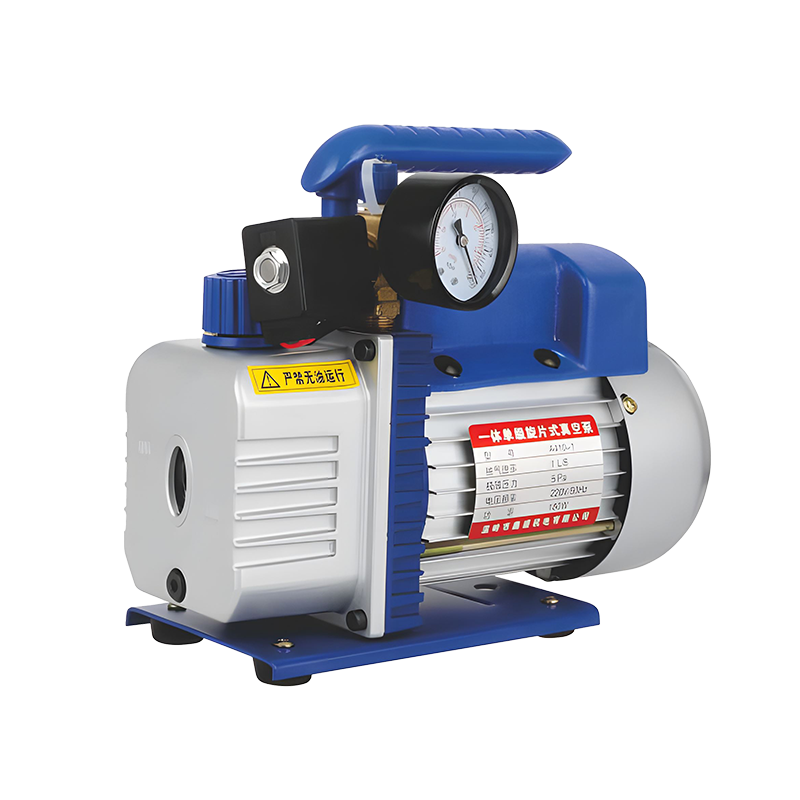
A Vacuum Pump Single Stage can play a genuinely important role during this stage of the process. It provides a way to create the required vacuum condition while operators check connections, valves, seals, controls, and related equipment around the system. The pump itself is only one part of the whole, but its operating condition can reveal problems that weren't visible during installation itself.
A careful commissioning process therefore connects mechanical inspection with practical operation on the ground. Instead of starting the entire system without checks and hoping for the best, operators can move through preparation, inspection, trial operation, and adjustment in an organized sequence.
Vacuum equipment affects the condition inside the system right after installation wraps up. If the system contains unwanted air, moisture, or other residual material left over from assembly, the equipment may not behave as expected once it starts running.
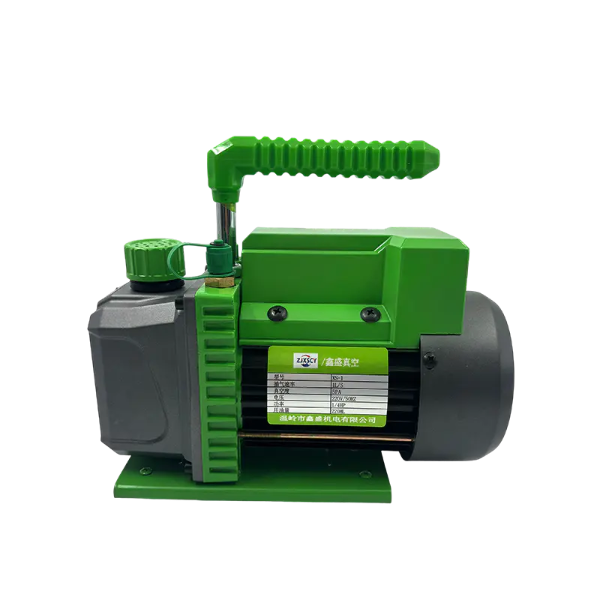
The pump provides a way to remove unwanted gas from the system and create the intended vacuum condition that the design calls for. This gives operators a genuine opportunity to observe whether the installed system responds as expected under real conditions.
Commissioning teams may use the pump while checking several areas at once during a single test run.
| Inspection Area | What Operators Look For |
|---|---|
| Piping | Proper connection and support |
| Valves | Correct position and movement |
| Seals | Signs of leakage |
| Connections | Secure installation |
| Controls | Correct response during operation |
| Pump | Stable running condition |
These checks are genuinely connected to each other rather than sitting in isolation. A pump may operate normally while a leak exists elsewhere in the system entirely. For this reason, commissioning should examine the complete installation, rather than focusing only on the pump itself.
Preparation helps prevent avoidable problems once commissioning actually begins. Before starting the pump, operators need to understand the installed system and confirm that the equipment is genuinely ready for trial operation.
The surrounding area should also get checked before anything switches on. Access should remain clear of clutter, electrical connections should be suitable for the load, and the pump should sit installed according to the manufacturer's instructions rather than a shortcut.
Useful preparation steps can include reviewing the installation arrangement against the original plan, then checking that piping connections are secure and won't shift under pressure. Confirming that valves sit in the intended positions matters too, along with inspecting visible seals and joints for anything obviously wrong.
Checking the pump's physical condition rounds out the mechanical side, while confirming that supporting equipment is ready and operators understand the commissioning sequence covers the human side of preparation. These actions create a genuinely controlled starting point for the whole process. They also make it easier to identify whether an issue comes from installation itself or from later operating adjustments made during testing.
Once preparation wraps up, the Vacuum Pump Single Stage can get introduced into the commissioning process properly. The pump begins removing gas from the connected system as soon as it starts running.
During this operation, operators can observe how the system responds in real time, rather than relying only on installation records from earlier in the project. Changes in system behavior can provide genuinely useful clues about what's happening beneath the surface.
A system that responds as expected may indicate that the basic connections and valves are functioning properly throughout. A system that struggles to reach the intended condition may require further inspection before anyone moves forward.
Possible causes can include loose connections that weren't tightened fully, or incorrect valve positions left over from installation. Damaged sealing surfaces and poorly fitted components can also play a role, along with unintended openings or problems within connected equipment nearby.
The pump doesn't automatically identify the source of a problem on its own. It provides an operating condition in which problems can become genuinely easier to notice during a careful check.
Piping is one of the main paths through which the vacuum condition gets created and maintained across the system. A small installation issue in one section can affect the behavior of the entire system down the line.
During inspection, operators can check whether pipes are properly connected and supported at every joint. They can also examine bends, valves, and connection points for visible problems that might cause trouble later.
A useful inspection approach separates physical condition from operating behavior when reviewing results.
| Piping Check | Practical Purpose |
|---|---|
| Connection inspection | Confirms joints are properly assembled |
| Support inspection | Helps prevent unwanted movement |
| Valve inspection | Confirms intended operation |
| Joint inspection | Looks for possible leakage points |
| Surface inspection | Identifies visible damage |
The inspection shouldn't stop at areas that are easy to see from a standing position. Connection points around equipment can also deserve genuine attention because they may experience movement during installation or later operation as things settle.
A careful piping check gives the commissioning team a genuinely more reliable starting condition to build from.
Leakage is a genuinely important concern in vacuum systems because unwanted air entering the system can affect the ability to maintain the intended condition over time. A small leak today can become a bigger headache next week.
During commissioning, operators can observe whether the vacuum condition changes unexpectedly during a test. If it does, the system may need checking for possible leakage or another source of instability hiding somewhere.
Leak checking should follow the procedures appropriate for that specific installation rather than a generic template. Operators can inspect joints, seals, valves, and connection areas while comparing system behavior during different operating states throughout the process.
The location of a suspected leak isn't always obvious right away, unfortunately. For this reason, troubleshooting can follow a controlled sequence: reviewing the most recent installation work first, then checking accessible connection points. Confirming valve positions comes next, followed by inspecting sealing areas closely.
Isolating sections when the system arrangement allows it can narrow things down further, and repeating the relevant test after an adjustment confirms whether the fix actually worked. This approach can reduce unnecessary changes and make the source of a problem genuinely easier to identify without guesswork.
The pump itself deserves a genuinely separate inspection before it becomes part of the commissioning process. A pump may have been transported, stored, moved, and installed before operation even begins, so its physical condition shouldn't get assumed from appearance alone.
Operators can inspect the pump body, connections, mounting condition, and surrounding space carefully. The connection between the pump and the vacuum system should also get checked thoroughly before anything runs.
Other areas may include the power connection and operating controls, along with the inlet connection and exhaust arrangement. Mounting condition and surrounding ventilation matter too, as does checking for any signs of visible damage from transport or handling.
The purpose is confirming that the pump is genuinely ready to operate within the installed system as a whole. A Vacuum Pump Single Stage can only support commissioning effectively when its own installation condition is suitable from the start.
Valves control how different sections of a vacuum system interact with each other during operation. An incorrect valve position can change the path through which gas moves and make the system behave differently from what the commissioning team expects to see.
Before starting the pump, valve positions should therefore get reviewed against the planned commissioning sequence laid out beforehand. During testing, operators may also adjust valves as different parts of the system get checked one by one.
These changes should be recorded carefully so the team knows which configuration was used during each test that follows.
| Valve Status | Commissioning Purpose |
|---|---|
| Open | Connects the intended system section |
| Closed | Separates a section during inspection |
| Adjusted | Controls the operating path |
| Rechecked | Confirms the intended system condition |
Clear valve management proves especially useful in systems with several branches feeding off the main line. It can help operators isolate a suspected problem without changing the condition of the entire installation all at once.
Debugging begins whenever the system doesn't behave as expected during trial operation. The purpose is identifying the cause, rather than immediately changing several parts at once and hoping something sticks.
Suppose the system doesn't reach the expected vacuum condition during a test run. The commissioning team can review the installation step by step instead of jumping around randomly.
The inspection may move through the pump, valves, piping, seals, and connected equipment in sequence. Each area can get checked separately before the system returns to its complete configuration for another test.
This creates a genuinely more manageable troubleshooting process overall.
| Observed Condition | Possible Area to Check |
|---|---|
| Vacuum develops slowly | Piping, valves, or leakage points |
| Vacuum condition changes unexpectedly | Seals or system connections |
| Pump behavior changes | Pump condition or operating setup |
| One section behaves differently | Local connection or valve |
| System response varies after adjustment | Operating configuration |
These are general troubleshooting directions rather than automatic diagnoses handed down from above. The actual cause depends on the system design and operating conditions at that particular site.
Large systems can contain several connected sections working together. When the complete installation doesn't behave as expected, testing the whole system at once can make troubleshooting genuinely difficult to manage.
Isolation can provide a genuinely clearer way to examine individual sections one at a time. Where the system design permits it, operators can separate one area and observe how the system responds without that section in play.
A main line, for example, may get separated from a branch while the commissioning team checks the main section on its own. The branch can then get examined separately once the main line checks out.
This process helps narrow the possible source of an issue considerably. Isolation should always follow the system's operating procedures without exception. Operators also need to consider whether closing a valve or separating a section could create an unsafe condition for anyone nearby.
The pump provides genuinely useful information during commissioning because its behavior changes in response to the system connected to it. A pump running against a leaky system sounds and acts differently than one running against a tight seal.
Operators can listen for unusual sounds, watch for visible movement or leakage, and observe whether the pump behaves consistently throughout the test. Changes in pump behavior don't necessarily mean the pump itself has developed a fault, though.
The connected system can genuinely influence what the pump experiences moment to moment. For this reason, debugging should consider the pump and system as connected parts rather than separate problems.
A useful observation record can include the pump operating condition alongside the valve arrangement in place at the time. The system section being tested matters too, along with any changes made during the test and the observed system response that followed. Noting what follow-up inspection is required rounds out a solid record.
Keeping such information together can make repeated testing genuinely easier to understand later on.
Seals and connection surfaces deserve genuine attention because they form part of the boundary that keeps unwanted gas out of the vacuum system entirely. A worn seal can undo hours of careful piping work elsewhere.
During commissioning, operators can inspect sealing areas for visible damage, incorrect assembly, or signs that a connection hasn't been properly secured. If a sealing issue is suspected, the relevant section can get inspected according to the system's maintenance and testing procedures already in place.
The inspection should also consider recent installation work done nearby. A seal may have gotten disturbed when another component was connected close by during assembly. Installation sequence can therefore influence later commissioning results in ways that aren't always obvious.
Careful inspection helps avoid replacing components unnecessarily when the actual problem may involve assembly or connection rather than a faulty part.
Commissioning often involves small changes made along the way. A valve may get repositioned, a connection may get tightened, or a section may get isolated for testing purposes.
If these changes aren't recorded as they happen, the team may later struggle to determine why the system condition changed at all. Memory alone rarely holds up across a multi-day commissioning process.
A simple commissioning record can include the test section to identify the area being checked, alongside the valve condition showing the system configuration at that moment. Pump condition records the equipment state, while the adjustment made identifies exactly what changed.
System response records what happened afterward, and follow-up action indicates what still remains to get checked. Good records can also help different operators work from the same information across shifts. This proves useful when commissioning continues across several work periods rather than wrapping up in a single day.
The record doesn't need to get complicated or exhaustive. Clear and consistent information is usually more useful than excessive detail that nobody reads later.
An adjustment shouldn't get treated as successful simply because the system behaves differently afterward in the moment. The changed condition needs checking again before anyone declares victory.
If a suspected leak gets repaired, the relevant section can get tested again to confirm the fix held. If a valve position gets changed, the system response should get observed under the new configuration before moving on.
This creates a simple cycle worth following: inspect, adjust, test, observe, and recheck. Repeating this cycle helps separate successful corrections from changes that only appear to improve the system temporarily before reverting.
It also reduces the chance of moving on to normal operation while an unresolved issue remains hiding elsewhere in the installation.
After individual sections have been inspected and adjusted, the system can return to its intended operating arrangement as a whole. At this stage, the commissioning team can review the condition of the pump, valves, piping, seals, controls, and connected equipment together in one pass.
The Vacuum Pump Single Stage should operate within the conditions specified for the equipment by the manufacturer. Operators can also confirm that the system responds consistently during the planned operating sequence laid out earlier.
Attention can remain on practical details such as correct valve positions and secure connections throughout the system. Stable pump operation matters too, along with suitable exhaust arrangements and clean, accessible equipment areas for future maintenance.
Completed inspection records tie everything together at this stage, connecting individual checks with actual system operation going forward.
Commissioning doesn't necessarily end the moment the system begins normal work. Early operation can provide additional information about how the installed equipment behaves over time, once the pressure of testing eases off.
Operators can pay attention to changes in pump sound, system response, connection condition, and operating stability during those first days. Any unusual change can get recorded and investigated according to the applicable procedures already established.
The purpose isn't keeping the system under constant adjustment indefinitely. It's establishing a genuinely clear understanding of normal operating behavior for future reference.
A system that has been properly checked gives operators a useful reference point to return to later. When later conditions differ from that reference, troubleshooting can begin with a genuinely clearer picture of what has actually changed.
A structured commissioning process creates more than just an operational starting point for the day. It also gives maintenance and operating teams genuinely useful information about the installed system as a whole.
The relationship between the Vacuum Pump Single Stage and the rest of the installation becomes genuinely clearer when the team records how the system responds during testing. Pump behavior, valve positions, piping conditions, and sealing areas can then get considered together rather than in isolation.
For equipment users, this approach can make future inspection genuinely more organized down the line. For manufacturers and installation teams, commissioning feedback can also reveal areas where connection methods, equipment placement, or operating procedures may need adjustment before the next project.
The value of commissioning comes from this connection between installation and actual use on the ground. Preparation establishes a controlled starting condition, inspection checks the physical installation piece by piece, and debugging provides a practical way to address problems before the system settles into routine operation for the long haul.
Related Products

Chengbei Industrial Zone, Xinhe Town, Wenling City, Zhejiang Province, China
Copyright © Wenling Xinsheng Mechanical and Electrical Co., Ltd. All Rights Reserved.



 English
 русский
 Español