Sep 04, 2026
HVAC installation often looks straightforward from a distance, but working with copper tubing demands careful preparation at nearly every stage of the job. A tube that's a fraction off can throw off the whole connection down the line.
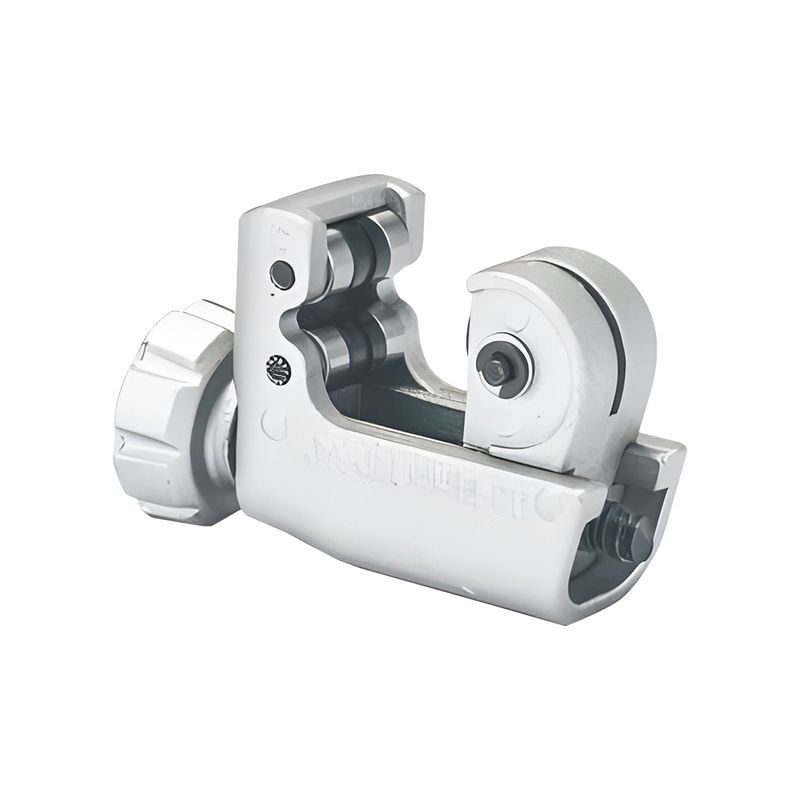
A Manual Copper Tube Cutter gives installers a simple way to cut copper tubing right on site, without hauling a large cutting machine into every corner of an installation area. This matters quite a bit, since HVAC work rarely happens in a completely open and convenient environment.
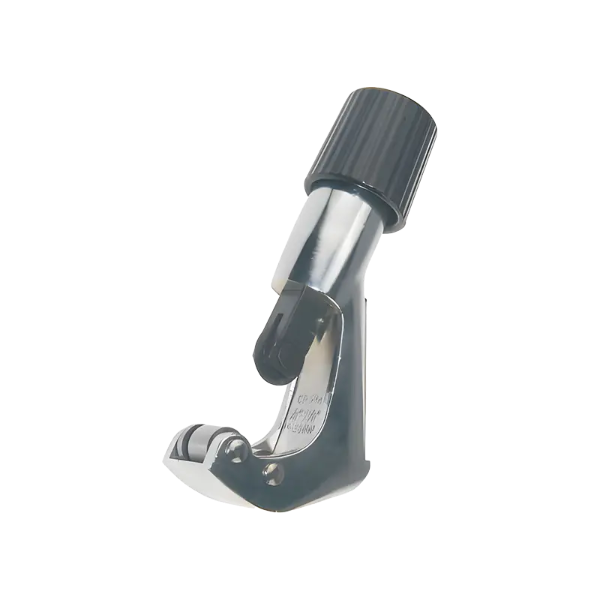
Installers may work inside buildings, above ceilings, in cramped service spaces, or around existing equipment where space runs tight. The cutting process therefore needs to fit the conditions of the job, rather than forcing the job to fit around the tool.
As installation practices continue focusing on practical handling and cleaner work areas, Manual Copper Tube Cutters stay relevant to technicians who need a portable option for preparing tubing as they go.
Copper tubing gets used widely in HVAC systems, since it forms part of the connections between different components running through a building. During installation, tubing often needs preparation to match the planned route and connection points exactly.
This means cutting isn't simply a matter of separating one piece of material from another with a quick snip. The installer needs to consider where the tube will sit, how it'll connect to other components, and whether the resulting cut is actually suitable for the next step in the process.
A poor cutting process can create additional work down the line. The installer may need to correct the tube, remove unwanted material, or repeat part of the preparation before continuing on. A Manual Copper Tube Cutter provides a controlled way to approach this task without much fuss.
Its compact form also lets it travel directly to the work area with the technician.
| HVAC Task | Role of Manual Cutting |
|---|---|
| Tube preparation | Helps create a usable tube section |
| Route adjustment | Supports changes during installation |
| Replacement work | Allows tubing to be prepared near existing systems |
| Repair work | Helps handle localized tube cutting |
| On-site fitting | Reduces the need to move long tubing sections elsewhere |
The importance of the tool becomes clearer once installation conditions get considered honestly. A workshop can provide space, lighting, benches, and supporting equipment close at hand. A construction site may offer none of these conveniences at all.
The ability to carry a simple cutting tool from one work area to another can therefore change how installers approach routine tube preparation throughout the day.
On-site construction is rarely as predictable as a workshop environment tends to be. Materials may arrive at different times than planned. Other trades may be working nearby, competing for the same footprint. Access can shift as the building progresses week to week.
Installers may also discover that the planned tubing route needs a small adjustment once other equipment finally settles into position. These conditions create a real need for tools that can adapt to the working environment on the fly.
A Manual Copper Tube Cutter can get used directly where the tubing needs preparation, provided the work area is safe and suitable for the task. The installer doesn't necessarily need to haul the tube back to a separate cutting station across the site.
This can make small adjustments a lot easier to manage in the moment. It also cuts down on unnecessary movement around the site throughout a shift.
A technician working in a compact service area, for example, may have only limited room for equipment squeezed in. Carrying a small manual cutter can prove a lot more practical than trying to wedge larger cutting equipment into that same tight space.
This doesn't mean every cutting situation should get handled manually, of course. Different jobs call for different tools depending on scale and setup. The important change is that installers now have another practical option available when portability and direct on-site handling actually matter for the task at hand.
HVAC installation plans can shift as construction progresses through its phases. A pipe route may need to move because another system ends up occupying the original space. An equipment position may change at the last minute. A connection point may suddenly require a different tube length than originally planned.
These adjustments can happen well after materials have already been delivered to the work area. A manual cutting tool can help installers respond to such changes without turning every small adjustment into a separate workshop trip.
The installer can prepare the tubing close to where it'll actually get used. This supports a genuinely more flexible working process on site.
| Installation Situation | Possible Benefit of Manual Cutting |
|---|---|
| Minor route adjustment | Allows local tube preparation |
| Replacement section | Supports work close to existing equipment |
| Tight work area | Reduces dependence on large equipment |
| Field modification | Makes small changes easier to handle |
| Maintenance task | Supports localized tube preparation |
The benefit shows up especially clearly when the required change is small. Moving materials and equipment just for a minor adjustment can burn through unnecessary time on a busy job. A compact hand-operated tool gives the installer another way to handle that situation without the hassle.
The final choice still depends on the work conditions, material, safety requirements, and installation procedure already in place for that particular job.
Installation quality gets affected by how materials are handled before, during, and after cutting takes place. Long lengths of copper tubing can be genuinely awkward to move through buildings under construction.
They may need to pass through doorways, corridors, service spaces, or partially completed rooms full of other trades' equipment. Unnecessary handling can make the work area a lot harder to manage as the day wears on.
Installers can therefore benefit from preparing tubing closer to the stage where it'll actually get used. A manual cutter supports this approach nicely, since the tool travels along with the installer wherever they go.
Instead of preparing every tube section in one fixed location, workers can make suitable cuts as the installation actually progresses through the space. This can reduce the number of partially prepared pieces that need carrying around all day.
It may also make material identification a lot easier to track. An installer can prepare a tube section once its purpose is clear, rather than cutting several pieces in advance without knowing exactly where each one will end up.
This approach supports a more orderly workflow overall. The cutting tool becomes part of material management itself, rather than simply an accessory pulled out for one isolated task.
Construction areas can become crowded pretty quickly once work gets underway. Packaging, offcuts, tools, ladders, equipment, and materials may all compete for the same working space at once.
A cutting method that requires additional equipment can add another layer of clutter to an already busy site. A Manual Copper Tube Cutter takes up relatively little working space compared with larger cutting arrangements bolted to a bench.
This proves useful when installers need to work around existing HVAC equipment or other building systems already in place. The tool can also travel between work areas as the installation progresses through different rooms.
This supports a genuinely more mobile approach to tube preparation. Keeping the cutting activity close to the actual installation point may also reduce unnecessary material movement across the site.
That said, cleanliness still depends heavily on the installer's own habits. Copper offcuts should get collected and removed according to site procedures already in place. Tools should get returned to appropriate storage areas after each use, not left scattered around.
The advantage of a compact cutter isn't that it automatically creates a clean workplace on its own. Its value comes from giving workers a practical option that doesn't require a large cutting station for every small task that pops up.
HVAC installation procedures have gradually become more focused on workflow coordination across the whole job. Installers need to consider not only the individual task in front of them but also how that task affects the next stage waiting down the line.
A cutting method can influence this sequence quite a bit. If tubing gets prepared too early, workers may need to sort and identify several pieces later on. If it gets prepared too late, other installation activities may end up waiting around for it.
A portable manual cutter lets installers move some preparation closer to the actual point of use. This creates a more direct relationship between measuring, cutting, positioning, and connecting the tube in one continuous motion.
The exact sequence depends on the installation method and workplace requirements already established for that job. The general idea stays simple: prepare the material once the surrounding conditions provide enough information to make the next step clear.
This can help reduce unnecessary handling throughout the process. It can also make the installation process a lot easier to adapt when site conditions shift unexpectedly.
For technicians, the tool is therefore part of a broader workflow decision, not just a standalone purchase. It's not simply a question of whether the cutter can cut the tube at all. The more useful question is whether the cutting method actually fits the way the installation team works together.
Tool selection should begin with the actual working environment, not a catalog page. An installer working on a new construction project may have genuinely different needs from someone handling HVAC maintenance inside an occupied building full of tenants.
The available space, material condition, frequency of use, and type of installation work can all shape the choice. A practical evaluation may cover several areas worth thinking through.
| Consideration | Why It Matters |
|---|---|
| Portability | Supports movement between work areas |
| Handling | Affects ease of use during field work |
| Cutting control | Supports consistent tube preparation |
| Storage | Helps keep tools organized |
| Maintenance | Influences routine workplace care |
| Application | Determines whether the tool suits the task |
The tool should also fit the installer's own hands and habits, rather than creating unnecessary difficulty during repeated work throughout the day. A handle that's awkward to grip or a tool that's inconvenient to carry can slow down the whole process without anyone quite realizing why.
The goal here isn't piling on more equipment for the sake of it. It's selecting tools that make the existing installation procedure genuinely easier to manage on site.
This application-based approach is also common when evaluating equipment used in manufacturing elsewhere. A Precision CNC Lathe, for example, gets selected according to the production task, material requirements, workflow, and intended use, rather than simply because it's a machine capable of cutting material in some general sense. The same thinking carries over to hand tools used on HVAC sites too. The right tool is whichever one fits the actual work being performed.
Although HVAC installers often use manual tools out on site, the production of copper tube tools belongs to a much broader manufacturing process happening elsewhere. Industrial manufacturers may use different machines and processes to create tool components, handles, cutting elements, and supporting parts.
A Precision CNC Lathe can be part of this wider manufacturing environment whenever suitable components require controlled machining before assembly. The connection here isn't that a Precision CNC Lathe replaces a Manual Copper Tube Cutter in any sense.
They serve completely different roles in the chain. The lathe belongs to the production side of things, while the manual cutter belongs squarely to the installation side out in the field. The relationship becomes useful once you trace the complete path from manufacturing all the way to field use.
A tool may begin life as a collection of manufactured components sitting on a bench. Those components then get assembled into a finished product ready to ship. The finished cutter then goes out to installers who use it as part of everyday HVAC work.
This creates a real connection between factory production and construction-site activity, even though the two worlds rarely intersect directly.
| Production Stage | General Role |
|---|---|
| Component manufacturing | Produces individual parts |
| Tool assembly | Brings parts together |
| Product inspection | Checks the finished tool |
| Distribution | Moves tools toward users |
| HVAC installation | Applies the tool in field work |
The same principle applies to a lot of industrial products beyond just this one tool. The equipment used by installers is connected to a supply chain that includes material preparation, manufacturing, assembly, inspection, packaging, and distribution, each link feeding into the next.
HVAC maintenance often creates a different set of challenges than fresh installation work. A technician may need to work around equipment that's already sitting installed and running.
Access can be restricted by walls, ceilings, and finished spaces that weren't there during the original build. Existing pipes and components may leave precious little room for large tools to squeeze in. A compact manual cutter can provide a practical option for localized tube preparation, provided the task and working conditions actually suit it.
This proves useful during replacement work especially. A damaged section may need removal before a replacement section gets prepared to take its place. The technician may also need to make a small adjustment while restoring an existing system back to working order.
The ability to carry the tool directly to the service area can simplify material preparation considerably. It can also reduce the need to haul large sections of tubing through an occupied space full of furniture, equipment, or people working nearby.
Maintenance work often requires a genuinely different mindset from new construction entirely. The installer is working with an existing environment, rather than an empty building waiting to be filled. Every tool must therefore fit around equipment, walls, ceilings, access points, and other installed systems already in place. Portability becomes a lot more valuable in these tighter situations.
The growing use of portable hand tools reflects a wider shift in how installation teams think about everyday work on the ground. Rather than relying on a single preparation area for everything, workers can bring selected tools directly to the point of installation instead.
This approach can reduce unnecessary movement around the site and make small adjustments a lot easier to handle in the moment. A Manual Copper Tube Cutter fits naturally into this type of workflow, since it's intended for direct manual operation right where it's needed.
Its role stays relatively simple, but simple tools can genuinely influence how a larger process gets organized around them. The installer can assess the tube, determine where preparation is required, carry out the cutting task according to the appropriate procedure, and continue right on with the next stage of the work.
This keeps the preparation step tightly connected to the actual installation happening around it. For construction teams, that connection can matter a great deal when work areas keep changing throughout the day. For maintenance technicians, it can matter when existing equipment limits access at every turn. For HVAC contractors, it supports a more flexible approach to routine copper tube handling across every job on the schedule.
As installation work becomes increasingly focused on practical site organization, portable cutting tools remain part of the everyday equipment that helps technicians adapt their methods to real working conditions on the ground.
Related Products

Chengbei Industrial Zone, Xinhe Town, Wenling City, Zhejiang Province, China
Copyright © Wenling Xinsheng Mechanical and Electrical Co., Ltd. All Rights Reserved.



 English
 русский
 Español