Aug 28, 2026
HVAC service businesses need tools that move from one job to the next without creating gaps in the schedule. Vacuum pumps fall into that category, since technicians rely on them whenever an air conditioning or refrigeration system needs to be prepared for service.
For a repair company, the purchasing decision rarely comes down to the pump alone. There's also equipment quantity to think about, the range of job types coming in, replacement needs when something wears out, storage space, training time, and what kind of support is available once the purchase is made.
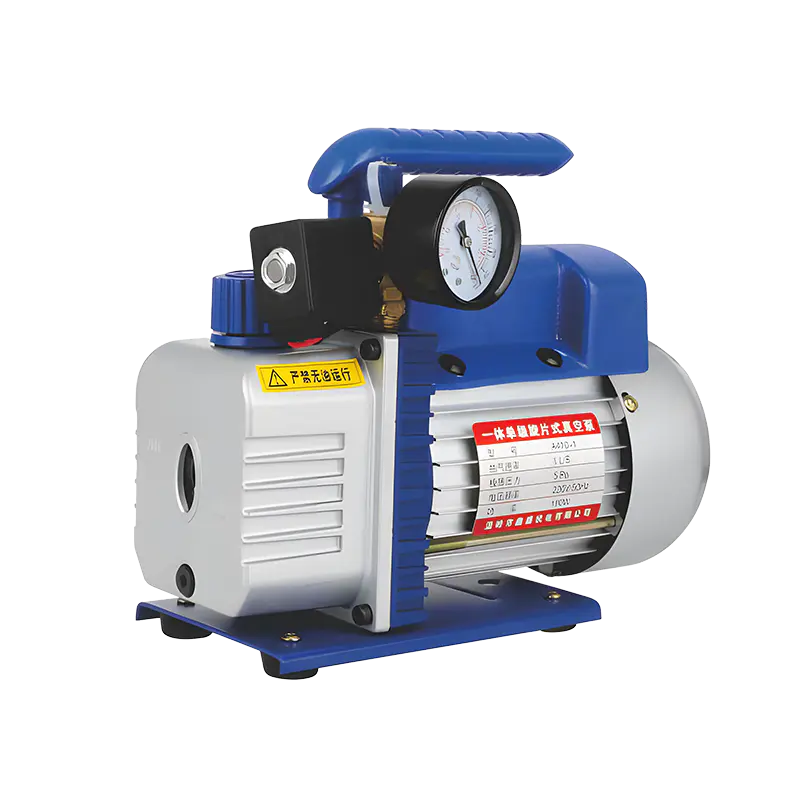
That's what separates wholesale sourcing from a one-off tool purchase. A service company might need several matching units spread across technicians, backup equipment for busy stretches, or different pump setups for different service situations.
A working purchasing plan helps a business keep its equipment stock in line with how its teams actually operate day to day.
Repair work tends to repeat itself, so equipment has to be on hand when a technician needs it. If a company keeps too few pumps around, technicians end up sharing tools or waiting on another job to wrap up before they can start theirs.
That gets harder to manage once several service teams are running jobs at the same time.
| Business Need | Possible Sourcing Benefit |
|---|---|
| Multiple service teams | Supports wider equipment availability |
| Replacement stock | Helps reduce interruptions |
| Regular field work | Provides consistent tool access |
| New technician onboarding | Makes equipment allocation easier |
| Growing service operations | Supports planned equipment expansion |
The purchasing decision also shapes how a company manages its equipment inventory day to day. Sticking with similar products across the fleet can make storage, training, and routine inspection less of a hassle.
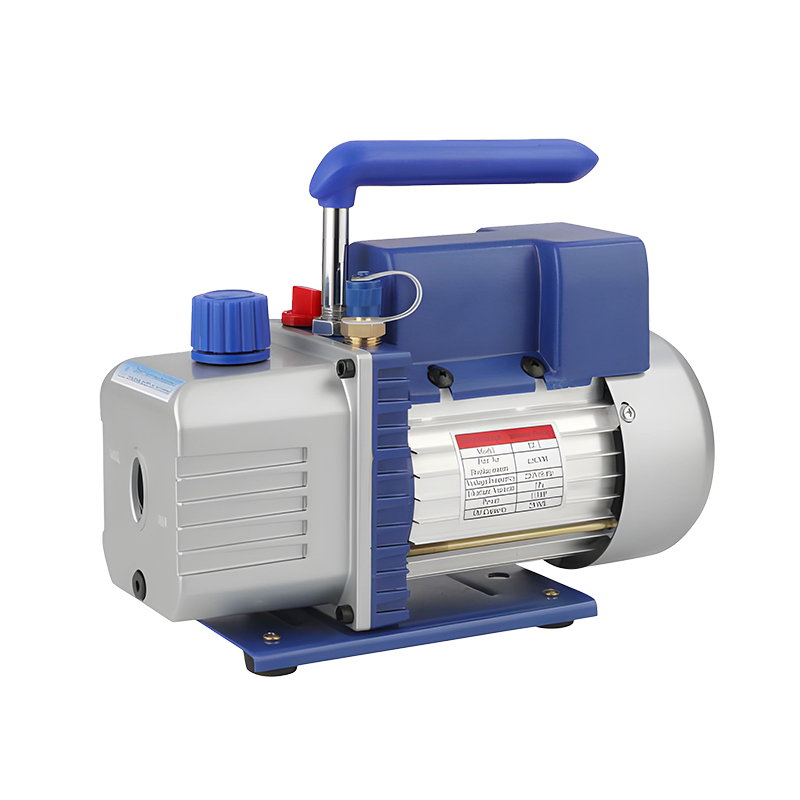
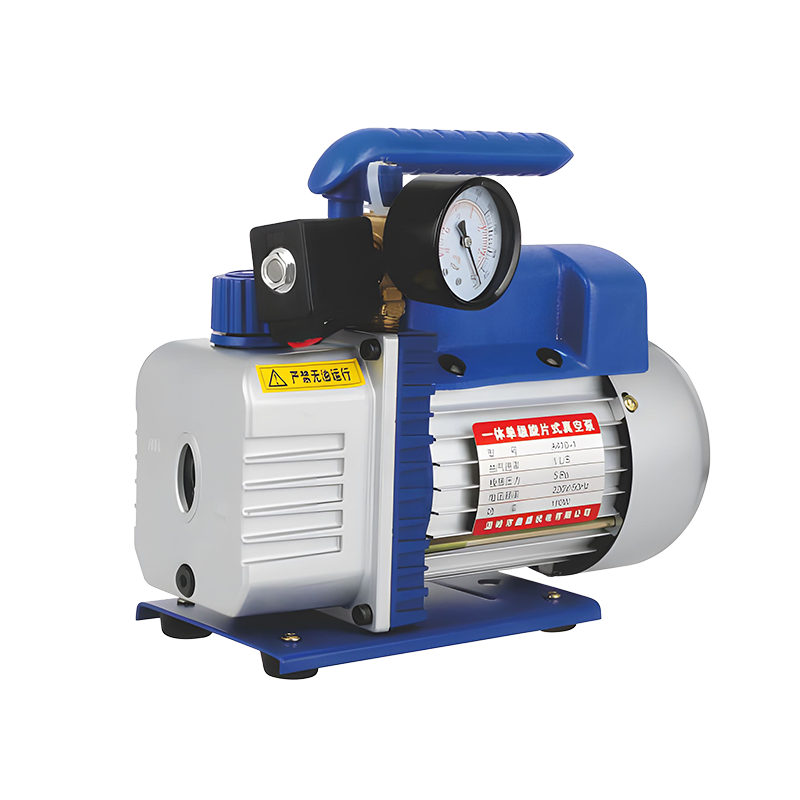
A Wholesale Vacuum Pump purchasing approach makes sense once a business needs equipment in quantity rather than picking up an occasional replacement.
How much to buy depends on workload, how the technician team is structured, the service area covered, and internal equipment policy — not on a fixed formula that applies to every company the same way.
Not every HVAC job asks for the same thing from a pump. Technicians move between different types of air conditioning systems, refrigeration equipment, and service settings over the course of a week.
A pump makes more sense chosen with the actual application in mind rather than picked at random.
A Vacuum Pump Single Stage design can work well for service situations where a straightforward pump setup already covers what the company needs.
Other jobs call for something different, because the equipment being serviced, the workflow around it, or the conditions technicians are working in don't match up the same way.
| Selection Area | Question for Buyers |
|---|---|
| Service application | What type of systems will technicians work on? |
| Pump configuration | Does the design suit the intended task? |
| Port arrangement | Does it fit the existing service setup? |
| Handling | Can technicians move and position it easily? |
| Maintenance | Can routine care be performed conveniently? |
It's worth being careful about picking equipment just because it happens to look right for one common task. A more useful approach is to look at the full spread of work the service business actually handles.
For companies running several service teams, sticking with a consistent equipment configuration also makes training simpler, since technicians end up familiar with the same basic controls and handling steps no matter which unit they're assigned.
Field technicians need gear that slots naturally into their routine. Tools travel between vehicles, service sites, workshops, and customer locations throughout the day.
A Vacuum Pump for Air Conditioning Service is worth thinking through from that field-use angle rather than purely as a piece of equipment sitting on a spec sheet.
Weight, how it's carried, how easy the controls are to reach, how connections are arranged, and where it gets stored all affect how smoothly a technician can use it during a visit.
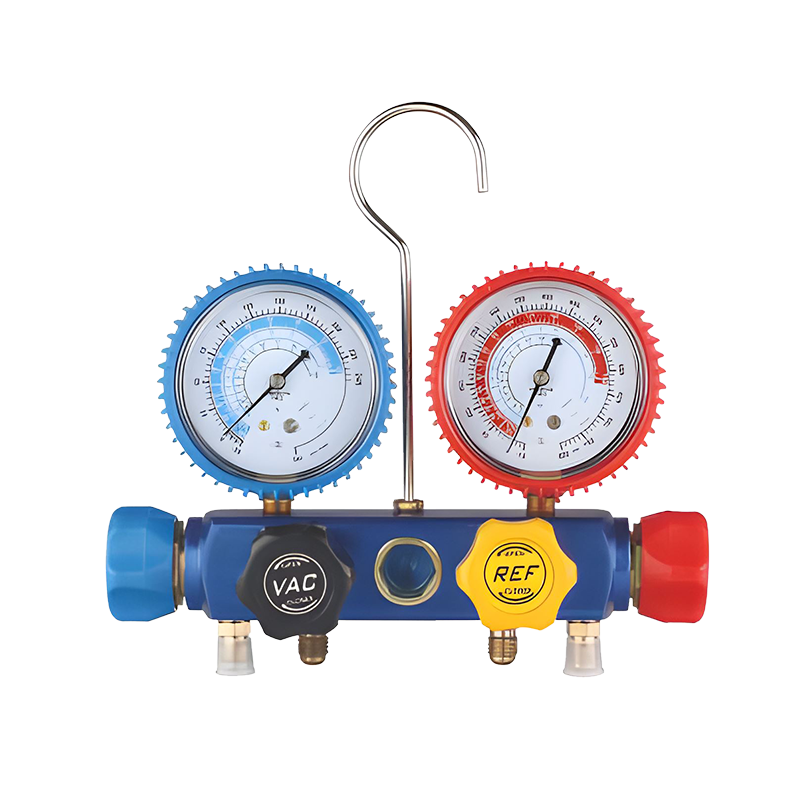
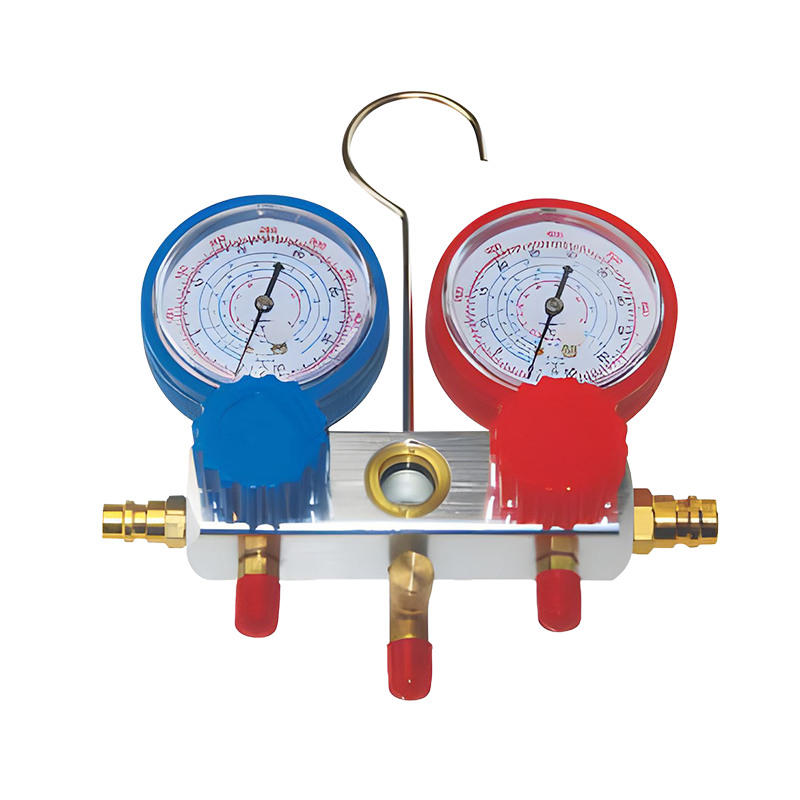
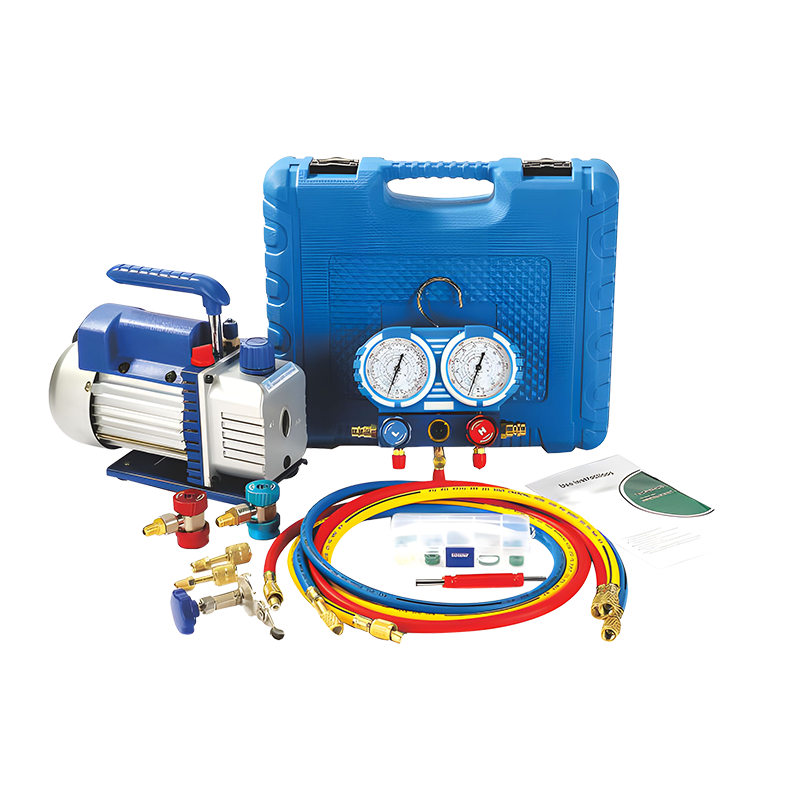
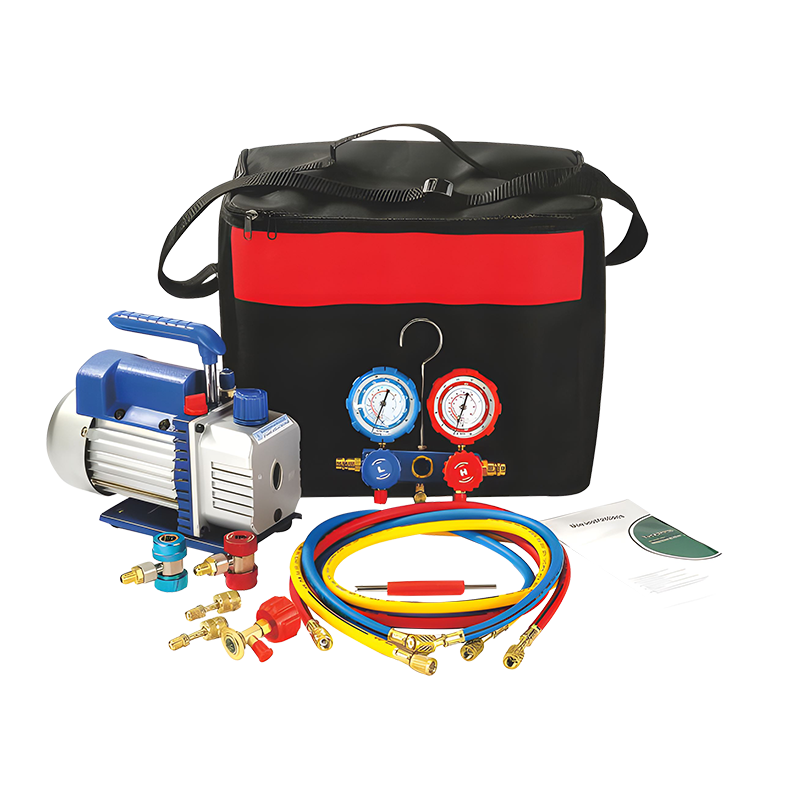
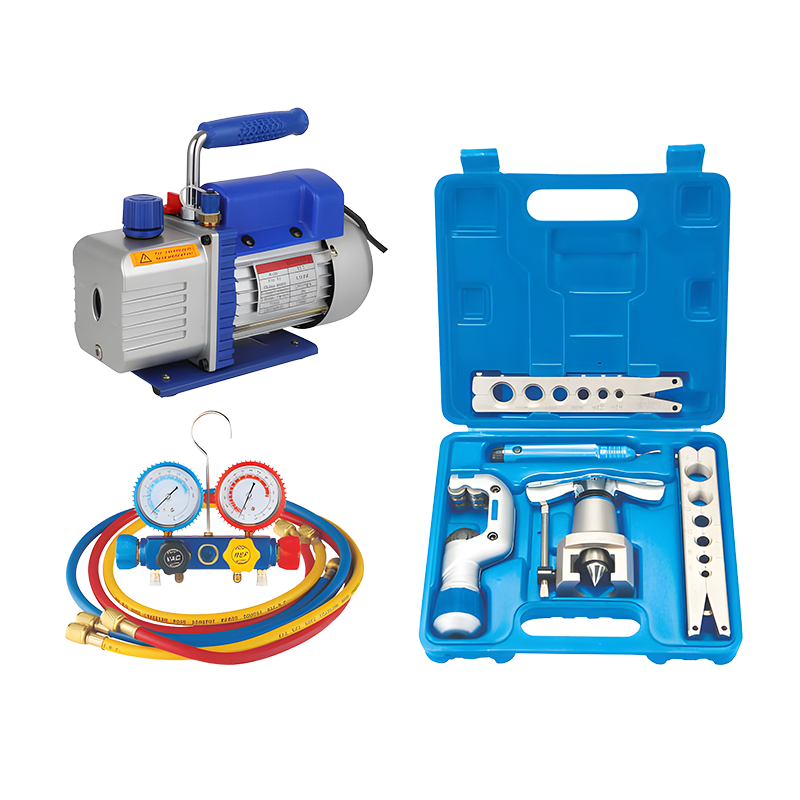
The pump doesn't work in isolation either. It becomes one part of a larger kit that might include hoses, gauges, fittings, electrical gear, hand tools, and protective equipment.
Organizing that kit sensibly makes prep work easier.
Technicians who keep frequently used accessories grouped together, for instance, don't have to dig through a vehicle before they can even start a job.
| Field Work Factor | Practical Consideration |
|---|---|
| Transportation | Easy movement between service locations |
| Setup | Convenient connection with related tools |
| Storage | Simple organization in a service vehicle |
| Operation | Controls that are easy to access |
| Cleaning | Practical care after field use |
These details sound small individually, but they add up once a piece of equipment gets used over and over. A pump that fits a technician's actual workflow keeps the service process organized without changing anything about the repair procedure itself.
Buying in bulk isn't just about picking up several identical units in one order. Done with some thought, it can also make equipment management a lot more organized.
A company running multiple technicians might choose to keep similar pumps across every team, which makes assigning and replacing equipment more straightforward when the time comes.
Training gets easier too, once technicians are working with equipment they already recognize.
| Bulk Purchasing Area | Potential Business Benefit |
|---|---|
| Equipment allocation | Easier assignment to service teams |
| Staff training | Familiar operating procedures |
| Inventory management | Simpler product tracking |
| Replacement planning | Easier identification of compatible units |
| Purchasing workflow | Fewer repeated sourcing activities |
That said, a larger purchase should still track back to real business needs. Buying more equipment than the company can reasonably put to use creates storage and maintenance responsibilities nobody asked for.
A practical check is to look at current service schedules, technician headcount, the condition of existing equipment, and where the business seems to be heading before placing a wholesale order. That keeps purchasing tied to daily operations instead of drifting off on its own.
For a company that's growing, planned sourcing also makes it easier to bring in equipment as new technicians join or as service coverage expands into new areas.
Reliable supply matters once equipment becomes part of a company's regular service work.
A repair business might need replacement pumps, extra units, or compatible accessories at different points as things move along.
A supplier who communicates clearly about what configurations are available and what replacement options exist makes the whole purchasing process easier to manage.
None of this means every business needs to sit on a large stockpile. Purchasing teams can put together a simple supply plan built around how equipment normally gets used.
| Supply Consideration | Why It Matters |
|---|---|
| Product availability | Supports equipment planning |
| Configuration consistency | Helps maintain familiar equipment |
| Replacement parts | Supports future service needs |
| Packaging | Helps protect equipment during delivery |
| Communication | Reduces purchasing misunderstandings |
Clear product information matters a good deal for wholesale buyers specifically. A buyer needs to know what's included, how the pump is configured, which accessories come with it, and what maintenance the manufacturer actually recommends. That clears up confusion when several similar-looking products are on offer at once.
A supplier should also be upfront about any compatibility limits rather than letting a buyer assume one model will cover every HVAC application it might get used on.
The purchase doesn't really end once the equipment shows up at the door.
Service companies often need operating guidance, maintenance details, replacement parts, or help figuring out why a unit is behaving differently than expected.
That kind of after-sales support ends up shaping how much practical value a wholesale purchase actually delivers.
A company buying several units at once also benefits from consistent documentation, so every technician follows the same care routine instead of picking up habits on their own.
| Support Area | Value to a Service Business |
|---|---|
| Product instructions | Helps technicians understand normal operation |
| Maintenance guidance | Supports routine equipment care |
| Replacement support | Helps address worn or damaged components |
| Troubleshooting assistance | Helps identify possible equipment issues |
| Communication channel | Provides a route for service questions |
It's worth asking about these areas before an order goes through, especially when equipment will be spread across several service locations. Solid documentation also cuts down on every technician having to learn the equipment through trial and error on the job.
If a pump starts making unusual noise, shows visible leakage, or behaves unexpectedly, the sensible move is to follow the supplier's recommended inspection process rather than attempting a repair that isn't suited to the problem.
There isn't one equipment setup that works for every HVAC service business. A small repair team might get by with a compact set of tools, while a larger company needs several sets spread across technicians and service vehicles.
The configuration should reflect the jobs the company is actually doing, not a generic list pulled from a catalog.
A workable purchasing plan can be organized around a few categories.
Pumps and related tools used in regular HVAC service work.
Hoses, connectors, fittings, and other items that work alongside the main equipment.
Spare units, worth considering when equipment availability matters for daily scheduling.
The basic items needed to keep equipment in usable shape over time.
Organizing purchasing this way keeps things structured. Instead of buying items one at a time whenever a problem shows up, a business can work from a simple equipment plan that ties purchasing directly to service operations.
A wholesale purchase starts with a look at the company's actual working situation. The purchasing team can walk through where the equipment will be used, who's operating it, how often it travels, and what kind of support might be needed after delivery.
A few questions help organize that thinking.
| Question | Purpose |
|---|---|
| Who will use the pumps? | Helps determine equipment allocation |
| Where will they be used? | Clarifies field or workshop requirements |
| What systems are serviced? | Helps identify suitable configurations |
| How will equipment be transported? | Supports practical product selection |
| How will maintenance be managed? | Helps plan routine care |
| What support is available? | Provides a clearer after-sales plan |
Price naturally comes up in these conversations, but it shouldn't be the only factor on the table. A pump that looks like a bargain at purchase can turn out to be a poor fit if it doesn't match the company's workflow or if replacement parts are hard to track down later.
The same logic applies to order size. A larger order makes sense when it lines up with real equipment needs, while a smaller purchase fits better when service demand is limited for now.
For an HVAC service business, the real question isn't just which vacuum pump to buy. It's how that equipment will fit with the technicians using it, the vehicles carrying it, the locations it gets used in, the maintenance routine around it, the inventory system tracking it, and whatever purchasing needs come up down the road.
Related Products

Chengbei Industrial Zone, Xinhe Town, Wenling City, Zhejiang Province, China
Copyright © Wenling Xinsheng Mechanical and Electrical Co., Ltd. All Rights Reserved.



 English
 русский
 Español