Aug 21, 2026
A technician standing over a system that's been pulling vacuum for twice as long as usual, checking the gauge every few minutes and wondering whether the pump finally gave out, is dealing with exactly the kind of frustration that slow evacuation creates on a busy service day. Air conditioning service often depends on removing unwanted air and moisture from a system before normal operation resumes. When evacuation takes genuinely longer than expected, the problem isn't always the pump itself. Small issues in connections, hoses, filters, valves, or service procedures can change how quickly the system actually responds to the process.
A slow evacuation can also make service work genuinely more difficult for whoever's handling the job. The technician may spend more time checking the equipment and looking for possible causes than the repair itself would take. In some cases, the system may appear to be responding normally while hidden moisture, leaks, or restricted connections continue affecting the process behind the scenes.
Understanding the factors around evacuation can make troubleshooting genuinely more organized instead of a guessing game. Pump condition, piping connections, system tightness, filtration, and field handling all play a role in how the process unfolds.
The condition of the vacuum pump is a genuinely important part of the service process, even when it's easy to take for granted. A pump that's been used frequently may accumulate contaminated oil, dirt, or moisture over repeated jobs. These conditions can affect how the pump actually operates during evacuation, sometimes without obvious warning signs.
Oil condition deserves genuine attention because it supports the pump's internal operation day to day. When the oil becomes contaminated, the pump may not perform as expected on the next call. Moisture can also remain inside the pump and interfere with later service work, carrying over from one job to the next.
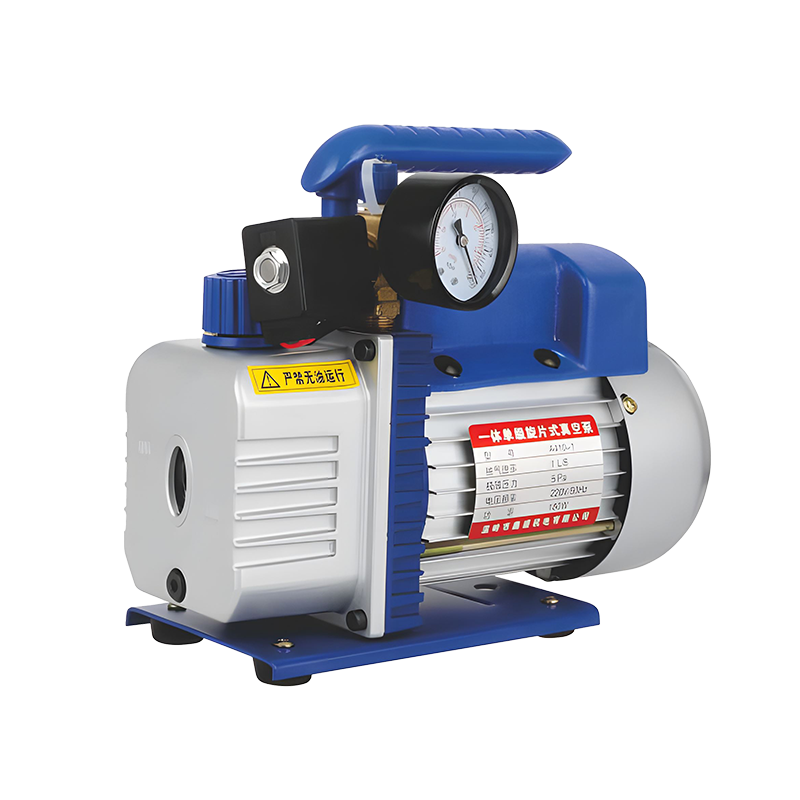
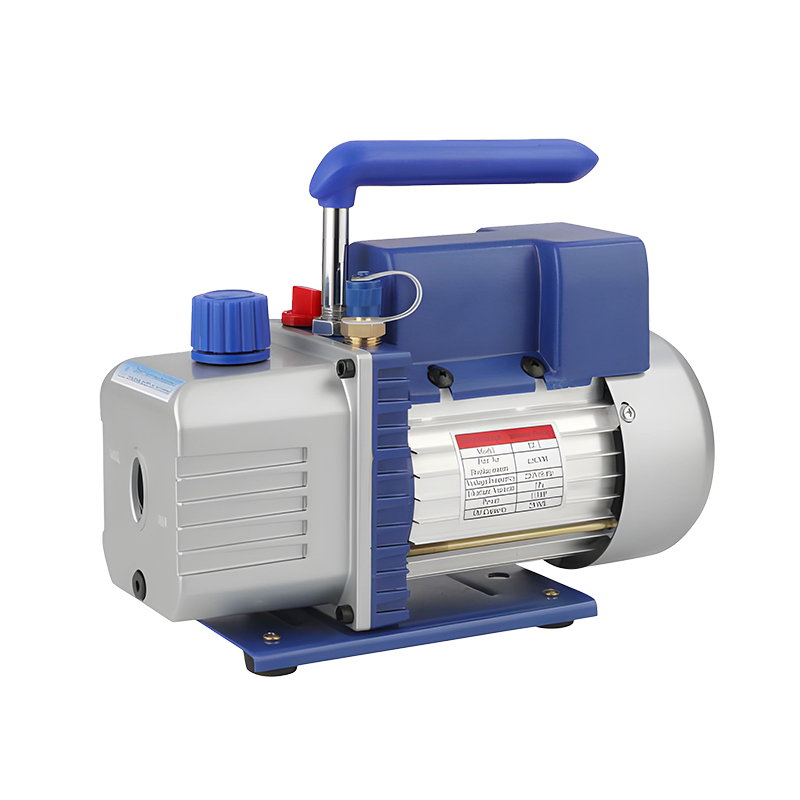
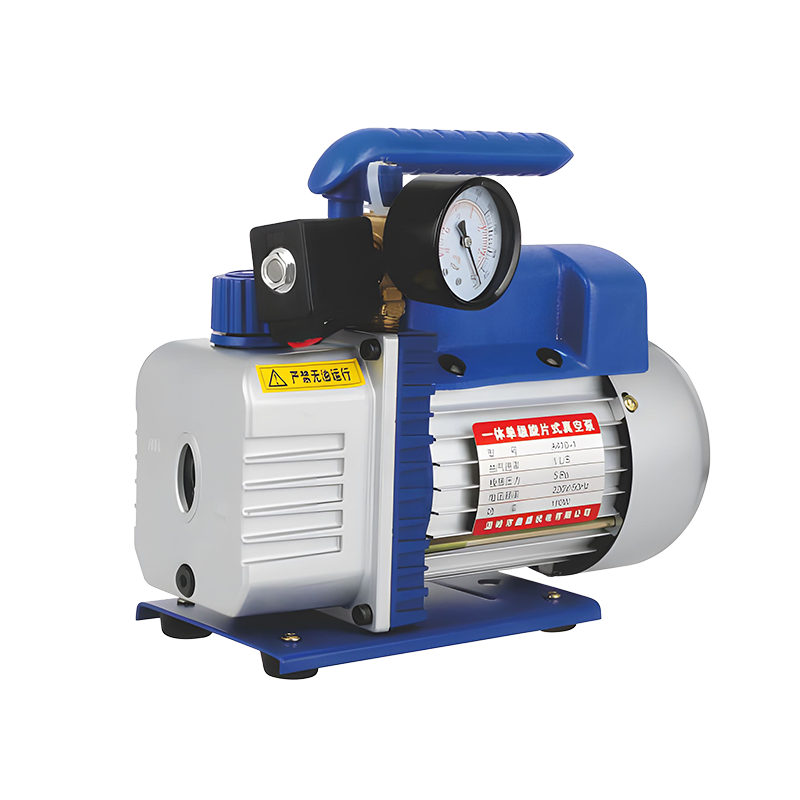
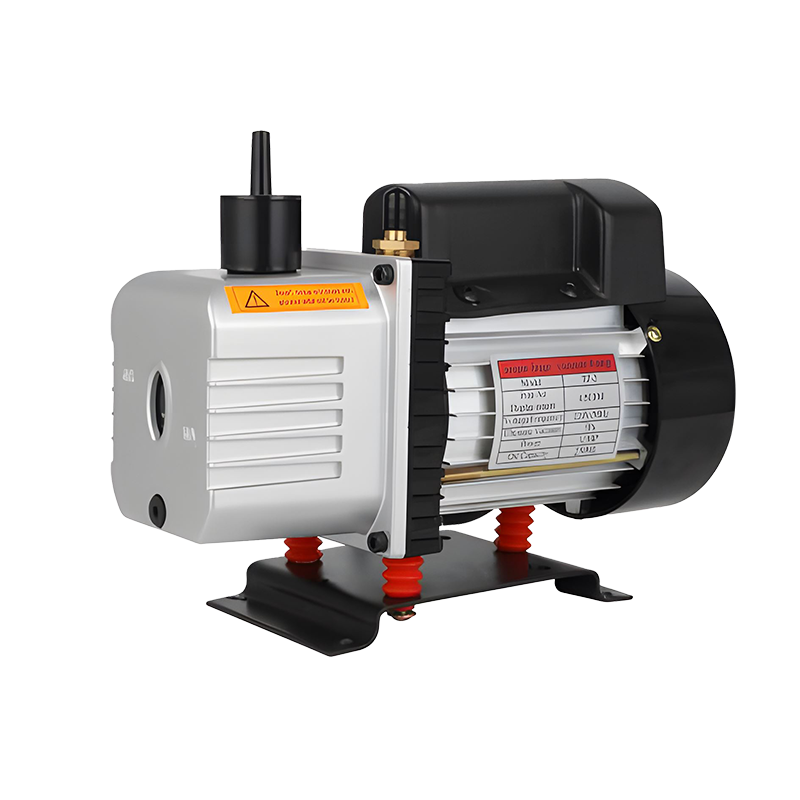
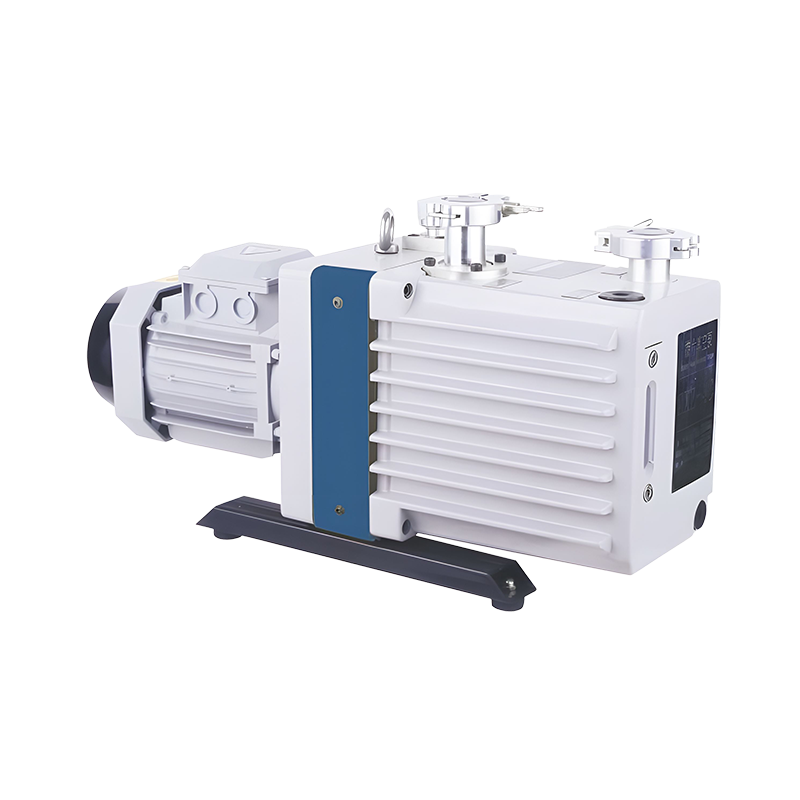
A Vacuum Pump Single Stage can be suitable for certain service tasks, but its condition still matters regardless of the model. A properly maintained pump can provide genuinely more consistent evacuation behavior than equipment that's been neglected for months.
Common pump-related causes include several distinct issues worth checking.
| Condition | Possible Effect |
|---|---|
| Contaminated oil | Reduces effective pump operation |
| Moisture inside pump | Makes evacuation more difficult |
| Worn internal parts | May reduce pumping performance |
| Dirty inlet area | Can restrict the evacuation path |
| Poor storage | May introduce contaminants |
Maintenance should follow the pump manufacturer's instructions rather than a technician's own habits developed over years. Regular inspection can help identify changes before they become a genuinely larger service problem down the road.
The age of the equipment isn't the only consideration here. A frequently used pump can require attention sooner than equipment that only sees occasional work.
The path between the air conditioning system and the pump needs to remain open and secure throughout the whole procedure. A loose fitting, damaged hose, restricted connection, or poorly positioned valve can genuinely reduce the effectiveness of the evacuation process, even when the pump itself is working fine.
Long or unnecessarily complicated connections can also make the process genuinely less efficient. Each additional connection creates another point that needs to remain secure, and another chance for something to go wrong.
Technicians can inspect the complete path, rather than looking only at the pump sitting at one end. This includes hoses, fittings, service ports, valves, and connection points along the whole run.
A simple connection review may include several steps worth walking through in order.
The goal is creating a genuinely clear path between the system and the pump, without hidden bottlenecks along the way.
A connection can look normal from the outside while still affecting the evacuation process underneath. Careful inspection is therefore genuinely useful when the expected response doesn't occur on schedule.
A leak can make evacuation appear unusually slow, sometimes convincingly so. The pump may continue operating normally while outside air enters the system through a damaged seal, loose fitting, or other opening the technician hasn't spotted yet.
This creates a genuinely frustrating situation for anyone working the job. The technician may assume the pump isn't working properly because the system doesn't respond as expected on the gauge. The actual issue may be sitting somewhere between the equipment and the service connection instead.
Leak checks should therefore be part of any troubleshooting routine, not an afterthought.
Potential areas include several spots worth examining closely.
| Area | What to Inspect |
|---|---|
| Service connections | Signs of looseness or damage |
| Hoses | Cracks, wear, or poor connections |
| Seals | Condition and seating |
| Valves | Proper closing and operation |
| Fittings | Secure connection and clean contact surfaces |
A leak doesn't have to be large to affect service work meaningfully. Even a small opening can make it genuinely difficult for the system to reach the intended condition, no matter how long the pump runs.
When evacuation remains slow despite a pump that appears to operate normally, checking system tightness can help genuinely narrow down the cause.
The evacuation path should allow air and moisture to move freely toward the pump without obstruction. Hoses and filter components can influence this path considerably when they're damaged, contaminated, blocked, or poorly maintained over time.
A hose that's been bent sharply may restrict movement through the connection more than it looks. Internal contamination can create another genuine source of resistance further along the line. Filter components may also require inspection when they're part of the service setup being used.
The condition of these parts can change genuinely gradually over months of use. A technician may become accustomed to the same equipment and overlook small changes until evacuation begins taking noticeably longer than usual.
Routine inspection helps reduce that risk before it becomes a pattern.
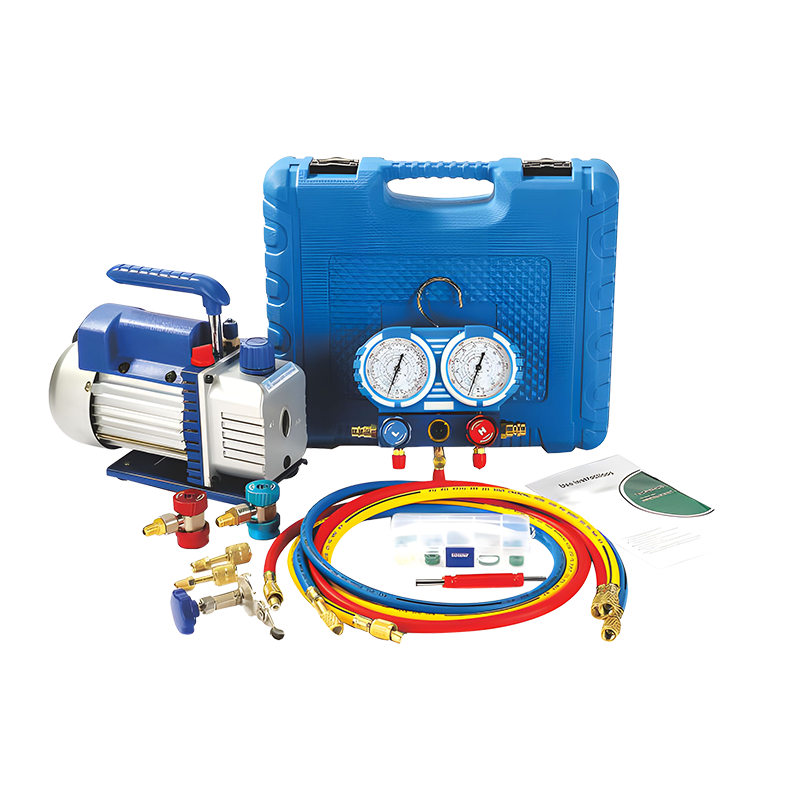
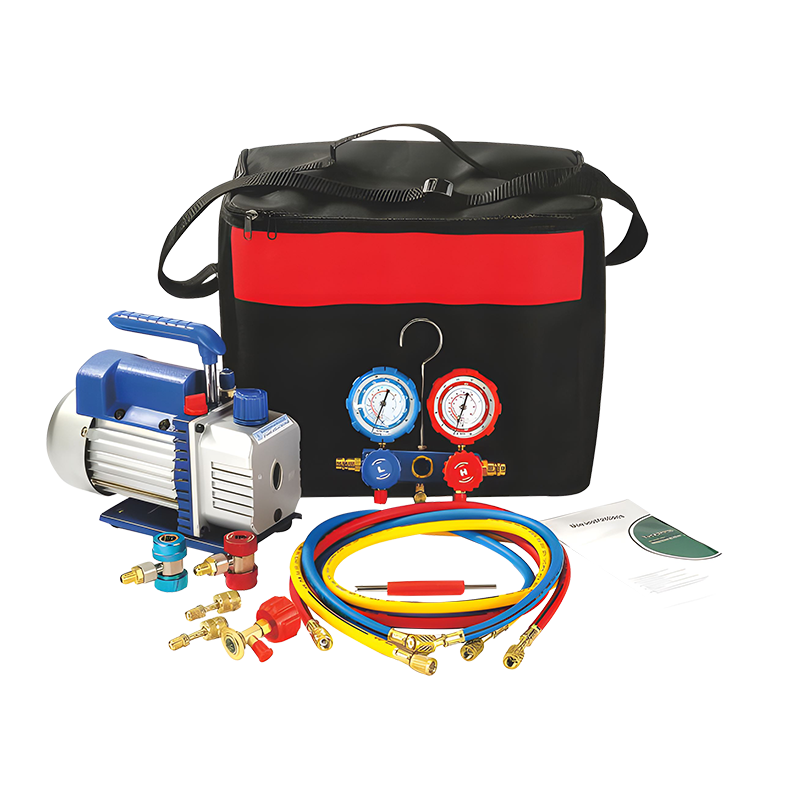
A Vacuum Pump for Air Conditioning Service should get considered together with the hoses, fittings, and other components connected to it, rather than in isolation. Pump performance can't get evaluated accurately when the surrounding evacuation path hasn't been checked alongside it.
This broader view can prevent unnecessary equipment replacement when the real issue is actually a connection or accessory further down the line.
Moisture can be genuinely more difficult to deal with than ordinary air trapped in a system. Water may remain in different parts of an air conditioning system, particularly when the system has been exposed to an unsuitable environment or opened during repair work.
Removing moisture can take genuinely longer because it may not behave like free air moving through the system. Some moisture can remain on internal surfaces or in areas where it isn't immediately removed by normal pumping.
This means a pump can be operating genuinely normally while the evacuation process still takes longer than the technician expected going in.
Moisture-related concerns can arise from several sources worth considering.
Keeping service equipment clean and dry helps reduce unnecessary moisture entering the system in the first place.
Technicians should also avoid leaving open connections exposed for longer than necessary during a job. Good preparation can make later evacuation work genuinely more predictable, rather than a source of surprises.
Maintenance has a genuinely direct relationship with service consistency over the life of the equipment. A pump that receives regular care is genuinely easier to assess when a problem actually occurs on a job. A neglected pump can create several possible causes all at once, making diagnosis harder.
Maintenance can include checking the pump oil, inspecting hoses, cleaning connection areas, and examining filters or other service components according to their intended care procedures, rather than skipping steps under time pressure.
A simple maintenance routine can help identify issues across several distinct areas.
| Maintenance Area | Reason for Attention |
|---|---|
| Pump oil | Helps maintain normal pump operation |
| Inlet area | Helps prevent contamination |
| Hoses | Helps identify wear and damage |
| Fittings | Helps maintain secure connections |
| Filters | Helps identify restrictions |
| Storage area | Helps reduce contamination |
Maintenance doesn't mean replacing components unnecessarily just to be safe. It means checking their condition and responding when a part genuinely shows signs of wear or contamination worth addressing.
A service team that keeps equipment organized can also identify changes genuinely more quickly on the job. When hoses, fittings, and pumps get routinely inspected, troubleshooting becomes genuinely less dependent on guesswork under pressure.
The way equipment gets used in the field can have genuinely as much influence as the condition of the equipment itself. A technician may connect the pump correctly but overlook a closed valve or an unsuitable hose arrangement in the rush of a busy schedule.
Preparation matters here more than it might seem. Before starting evacuation, the technician can review the complete service setup and confirm that the intended path is genuinely open from end to end.
Field conditions can also make the process genuinely less convenient than a shop environment. Outdoor work may expose equipment to dust, moisture, temperature changes, or accidental impacts nobody planned for. Crowded service areas can make hose routing genuinely more difficult when space is tight.
Good field habits include several practical steps worth building into routine.
These steps are simple on paper, but they can genuinely prevent small problems from becoming confusing service delays later in the day.
A Wholesale Vacuum Pump buyer may also need to consider how equipment will get used across different service locations spread across a larger operation. Equipment intended for repeated field use should get supported by suitable maintenance practices and clear handling procedures from the start.
When evacuation takes genuinely longer than expected, changing the pump immediately may not actually solve the problem underneath. A step-by-step inspection can help separate pump-related issues from system or connection problems further along the path.
The process can begin with the genuinely easiest points to inspect first. Check the pump's operating condition and service history from recent jobs. Then inspect the hoses and connections along the run. Look at valves and fittings for anything out of place. Consider whether moisture may be present somewhere in the system.
If those areas appear genuinely normal, the technician can examine the system itself for possible leaks or other conditions affecting evacuation from within.
A practical troubleshooting sequence may include several steps worth following in order.
This approach keeps the investigation genuinely organized instead of scattered across every possible cause at once. It also reduces the chance of replacing equipment before actually identifying the source of the problem hiding somewhere in the chain.
Slow evacuation is often the result of several small factors working together, rather than one obvious failure sitting in plain sight. Looking at the pump, evacuation path, system condition, and service routine together can make the cause genuinely easier to identify on the next call.
Related Products

Chengbei Industrial Zone, Xinhe Town, Wenling City, Zhejiang Province, China
Copyright © Wenling Xinsheng Mechanical and Electrical Co., Ltd. All Rights Reserved.



 English
 русский
 Español