Dec 26, 2025
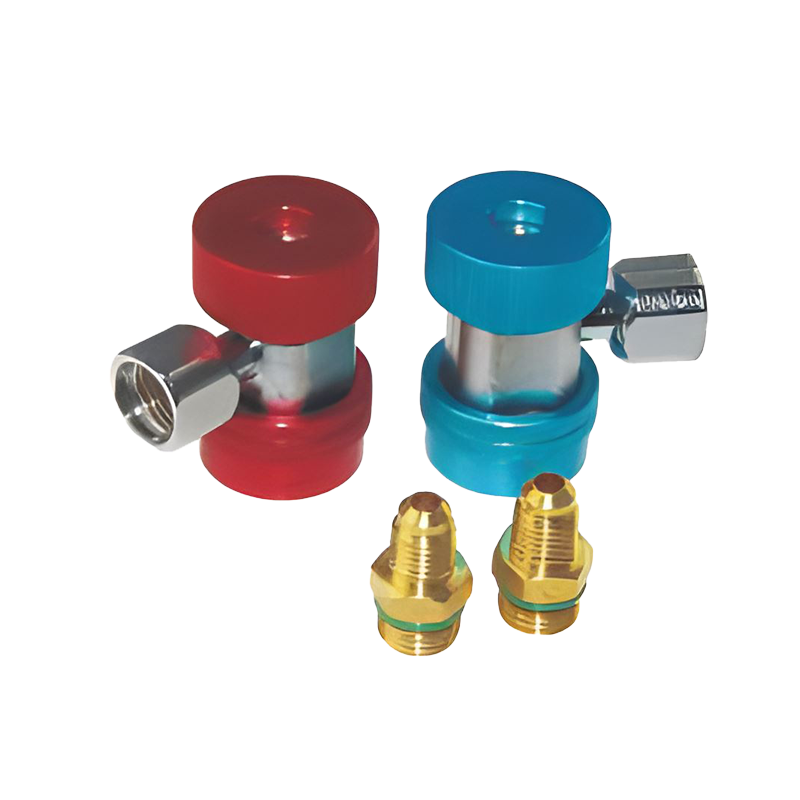
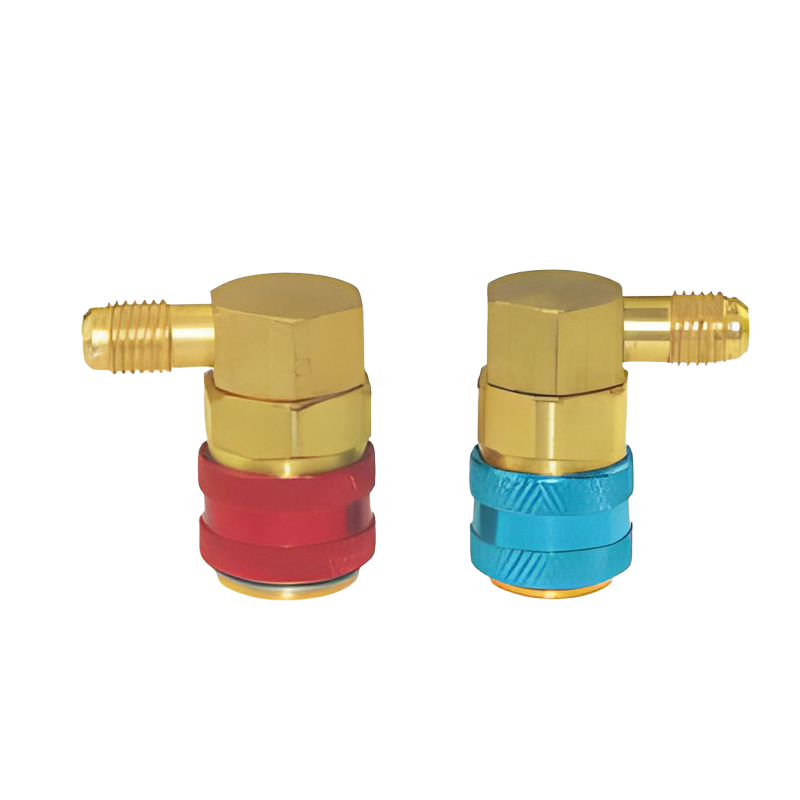
Hoses and manifolds are fundamental refrigerant accessories that enable the safe and efficient movement of refrigerants between equipment, storage cylinders, and HVAC systems.
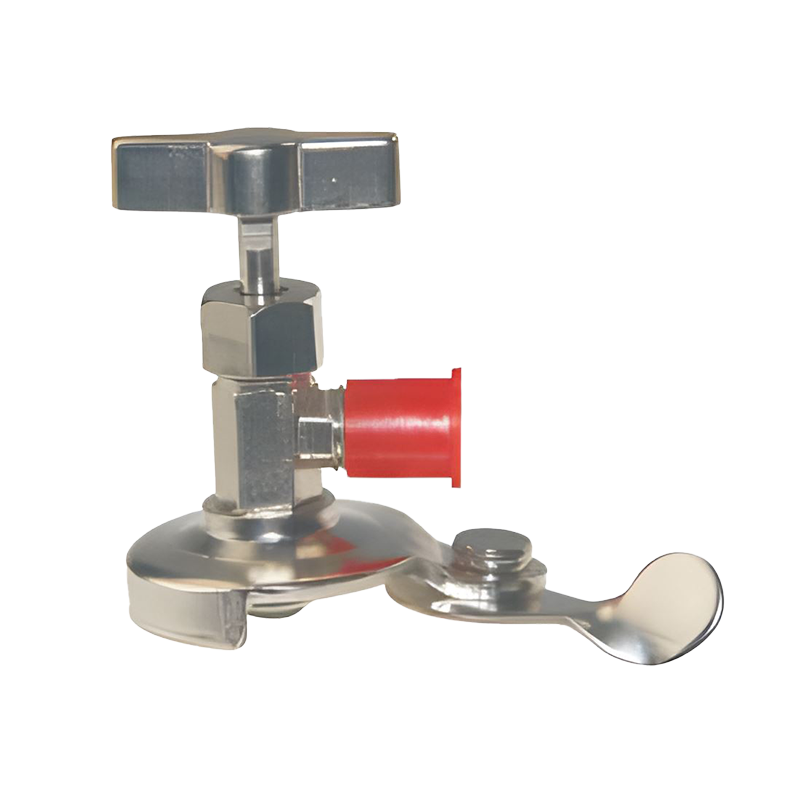
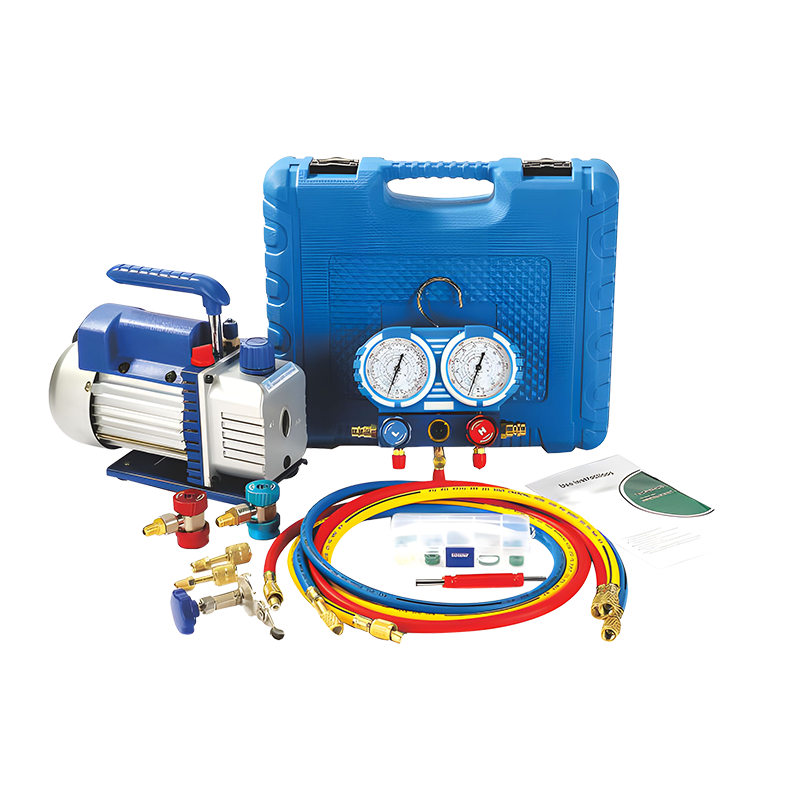
Hoses: Refrigerant hoses are flexible tubes designed to carry refrigerants under high or low pressure. They are usually made of durable materials such as reinforced rubber or synthetic polymers, ensuring they withstand chemical exposure, temperature variations, and pressure fluctuations. Different hose colors, typically red, blue, and yellow, indicate high-pressure, low-pressure, and service connections, reducing the risk of incorrect connections.
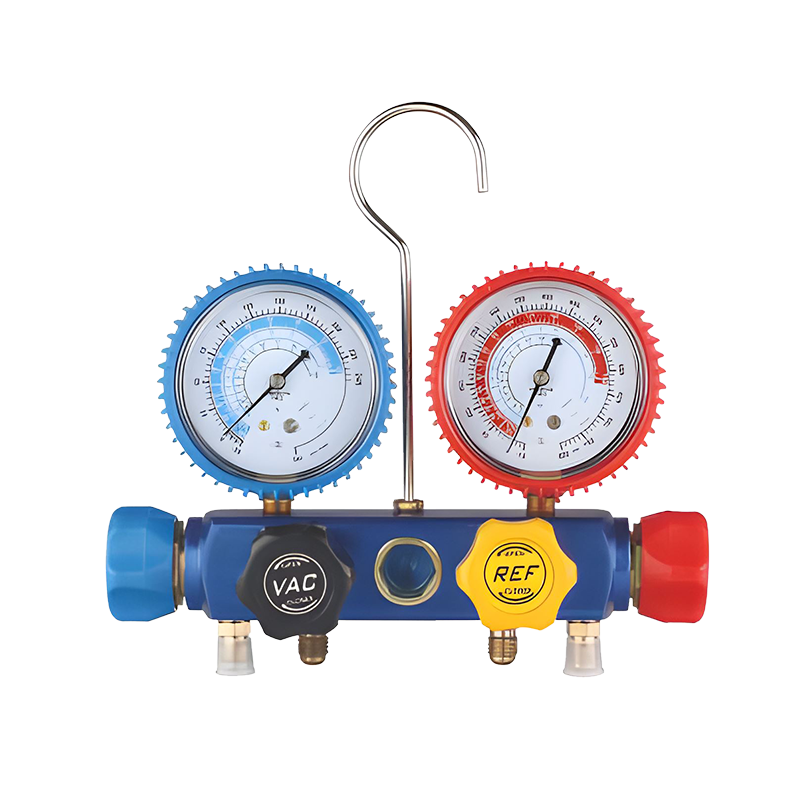
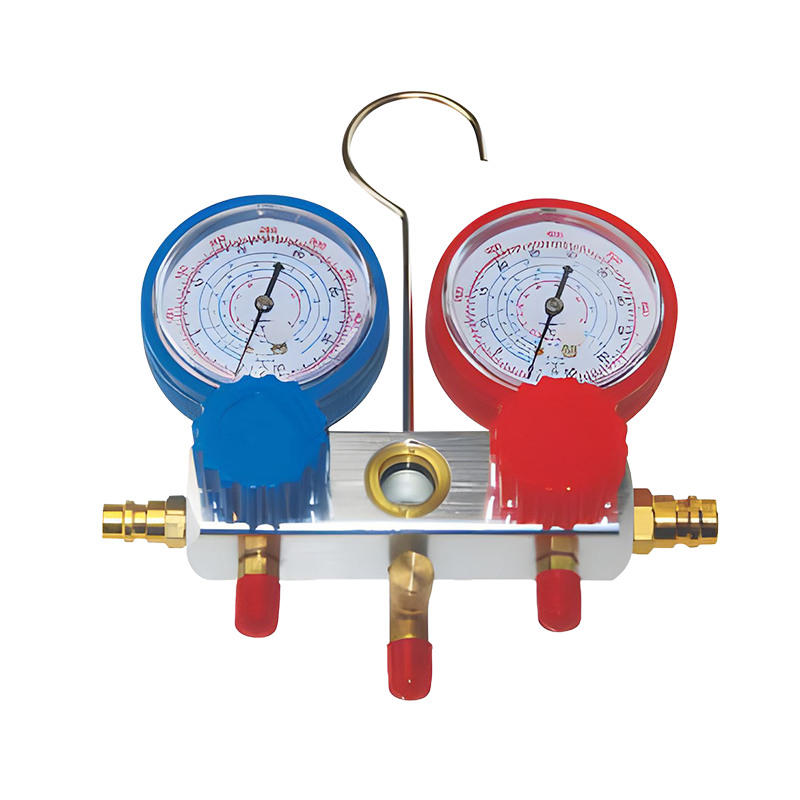
Manifolds: Manifold gauges connect to hoses and HVAC systems, allowing technicians to measure and control the flow of refrigerants. They include multiple valves to open or close the flow to different parts of the system. Manifolds are commonly used during charging, evacuation, and pressure testing, providing a clear and safe method to handle refrigerants.
Function: Together, hoses and manifolds facilitate the movement and control of refrigerants while preventing leaks and exposure. They are crucial for tasks such as system evacuation, pressure measurement, and accurate refrigerant charging.
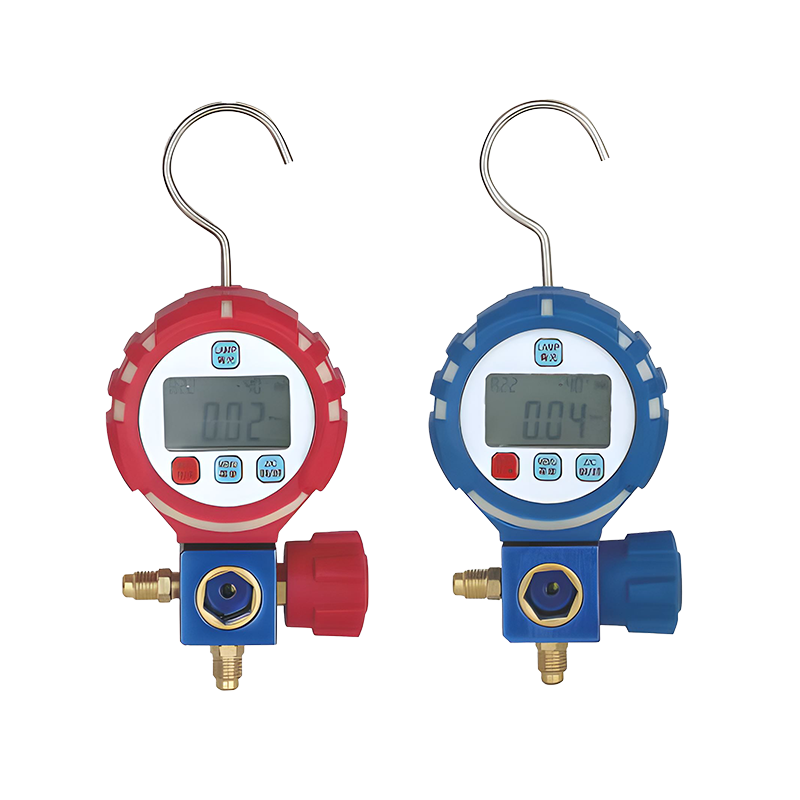
Gauges and meters are used to monitor system performance by measuring refrigerant pressure, temperature, and flow rate. Accurate readings are necessary for proper system operation, diagnostics, and maintenance.
Pressure Gauges: These devices indicate the high and low side pressures in an HVAC system. High-pressure readings help prevent system overloading, while low-pressure readings indicate potential leaks or insufficient refrigerant levels.
Flow Meters: Flow meters measure the movement of refrigerants in liquid or vapor form. This helps technicians ensure proper refrigerant circulation and detect issues such as blockages or uneven flow in the system.
Function: Gauges and meters provide essential data that guide technicians in troubleshooting, system balancing, and maintenance. Accurate measurement ensures refrigerants are charged appropriately, preventing damage to compressors or other components.
Filters and dryers are accessories that remove moisture, debris, and impurities from refrigerants. Their presence in an HVAC system ensures long-term functionality and reduces the likelihood of component failure.
Filters: Filters capture solid particles, dust, and contaminants that may enter the system during installation or operation. They prevent debris from clogging expansion valves, evaporators, or compressors, maintaining smooth system performance.
Dryers: Dryers remove water and moisture from refrigerants, which could otherwise form ice or react chemically with system components. Moisture in the system can corrosion, reduced efficiency, or complete system failure.
Function: Filters and dryers protect system components by maintaining clean, dry refrigerants. They help extend the lifespan of the HVAC system, improve energy efficiency, and reduce maintenance requirements.
Refrigerant recovery and charging accessories are critical for environmentally safe handling and precise system maintenance.
Recovery Machines: These machines remove refrigerants from HVAC systems, storing them in certified cylinders. Recovery machines prevent refrigerants from being released into the atmosphere, ensuring compliance with environmental regulations.
Charging Scales and Meters: Charging accessories allow technicians to measure the exact amount of refrigerant added to a system. Precise charging prevents undercharging or overcharging, which can affect system performance and energy efficiency.
Function: Recovery and charging equipment ensures that refrigerants are handled safely and accurately. These accessories support system maintenance, repairs, and retrofitting while reducing environmental impact and maintaining operational efficiency.
Related Products

Chengbei Industrial Zone, Xinhe Town, Wenling City, Zhejiang Province, China
Copyright © Wenling Xinsheng Mechanical and Electrical Co., Ltd. All Rights Reserved.



 English
 русский
 Español