Mar 24, 2026
Rotary vane vacuum pumps can be classified according to lubrication method and stage configuration. Although their operating mechanism remains similar, structural differences allow them to meet various vacuum requirements.
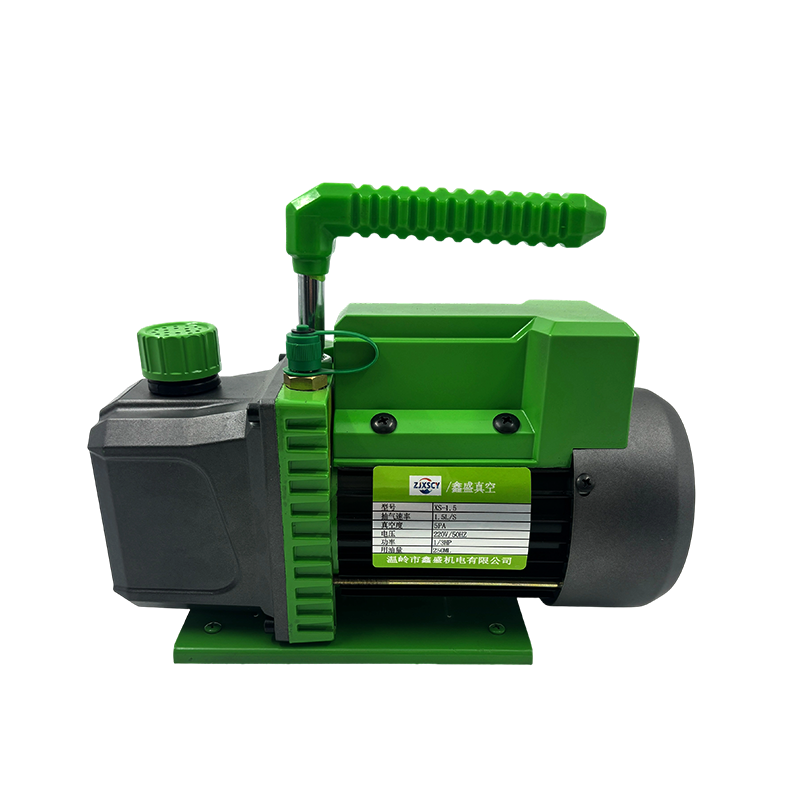
Oil-Sealed Rotary Vane Vacuum Pumps
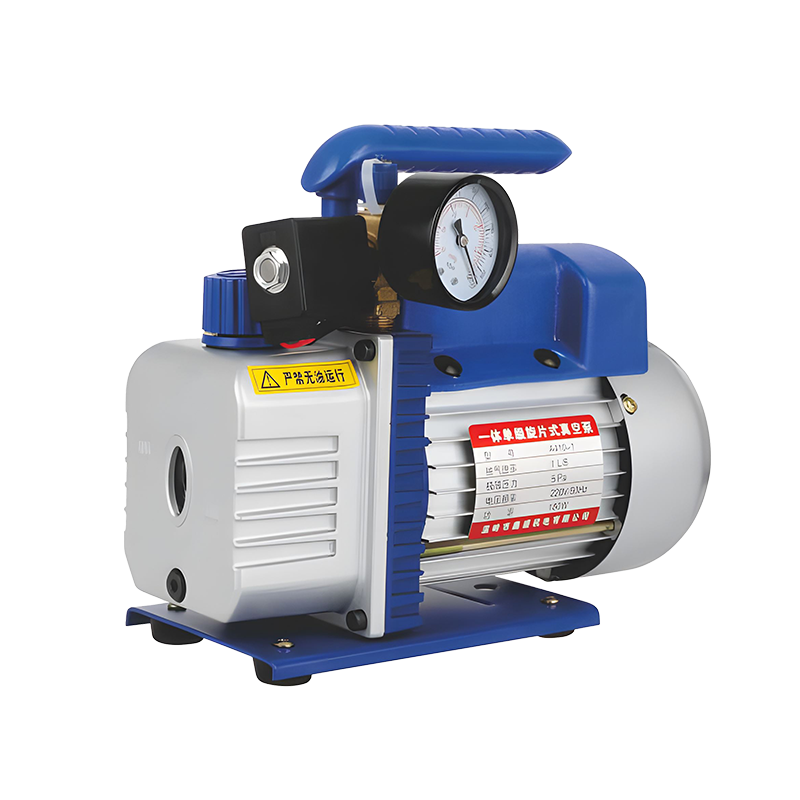
Oil-sealed rotary vane pumps are among the commonly used designs. In this configuration, lubricating oil performs several functions:
Sealing internal clearances between the vane and housing
Reducing friction and mechanical wear
Carrying away heat generated during compression
Assisting in gas compression efficiency
These pumps are typically used in:
HVAC system evacuation
Laboratory vacuum systems
Industrial degassing processes
Refrigeration maintenance
Oil-sealed pumps can achieve relatively low ultimate pressure compared to dry types, making them suitable for applications requiring deeper vacuum levels. However, they require regular oil changes to maintain performance and prevent contamination.
Dry Rotary Vane Vacuum Pumps
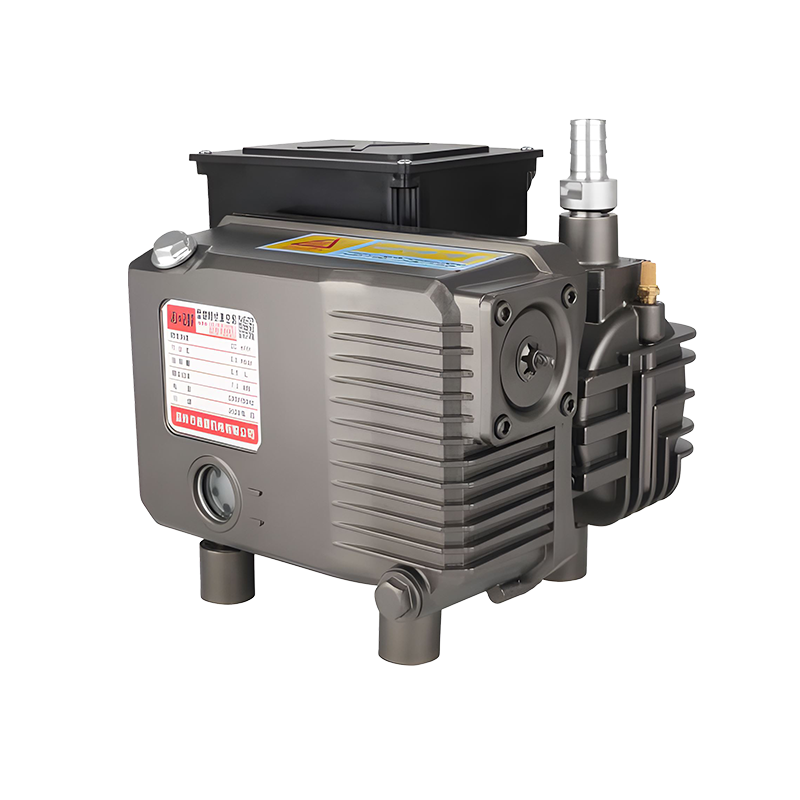
Dry rotary vane vacuum pumps operate without internal oil sealing in the compression chamber. Instead, they rely on self-lubricating vane materials and precision machining.
Key characteristics include:
Reduced risk of oil contamination in the vacuum system
Lower maintenance related to oil replacement
Cleaner exhaust gas
Dry pumps are commonly selected for:
Medical suction systems
Food packaging lines
Printing and paper handling equipment
Environmental sampling systems
Although their achievable vacuum level is generally higher (meaning less deep vacuum) than oil-sealed pumps, they are suitable for applications where cleanliness is important.
Single-Stage and Two-Stage Configurations
Rotary vane pumps can also be categorized by the number of compression stages:
Single-stage pumps, which compress gas once per rotation cycle
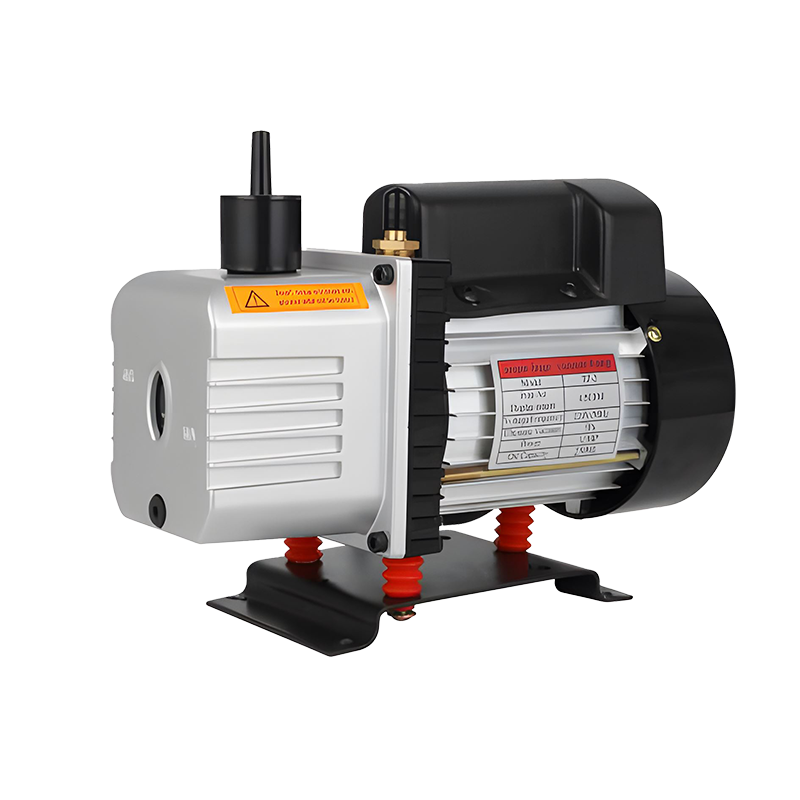
Two-stage pumps, which use two compression chambers in series
Two-stage pumps are typically used when lower final pressure is required. By compressing gas in two steps, they reduce backflow and improve vacuum stability in certain applications.
Why Is a Rotary Vane Vacuum Pump Worth Buying?
The value of a rotary vane vacuum pump is determined by its mechanical simplicity, stable performance, and adaptability across industries. Several practical factors explain why these pumps remain widely purchased.
Reliable Operating Principle
Rotary vane pumps use a straightforward mechanical design. The rotor is mounted eccentrically within a cylindrical housing, and sliding vanes maintain contact with the inner wall.
This structure offers:
Consistent volumetric displacement
Continuous and steady suction flow
Predictable performance at constant rotational speed
Because of the limited number of moving parts, mechanical failure points are relatively few when maintenance guidelines are followed.
Broad Industrial Compatibility
Rotary vane vacuum pumps are suitable for many applications, including:
Vacuum packaging of food products
Laboratory filtration and distillation
Air conditioning system evacuation
Vacuum forming of plastics
Semiconductor and electronics production (for moderate vacuum ranges)
Their adaptability allows manufacturers to standardize equipment designs across different operational contexts.
Balanced Cost and Maintenance Requirements
Compared to more complex vacuum technologies such as turbomolecular or scroll pumps, rotary vane pumps generally have:
Moderate initial acquisition cost
Accessible spare parts
Established maintenance procedures
Routine maintenance typically involves:
Inspecting and replacing vanes when worn
Changing oil in oil-sealed models
Checking seals and gaskets
Cleaning internal components when necessary
This predictable maintenance schedule contributes to their practical value in commercial and industrial settings.
How Is the Rotary Vane Vacuum Pump Designed?
The design of a rotary vane vacuum pump focuses on achieving controlled gas compression while maintaining mechanical durability and sealing efficiency.
Core Mechanical Structure
The essential components include:
A cylindrical pump housing
An eccentrically mounted rotor
Sliding vanes positioned in rotor slots
Inlet and outlet ports
Bearings and shaft seals
As the rotor turns, centrifugal force pushes the vanes outward so they maintain contact with the housing wall. This creates sealed chambers between the rotor, vanes, and housing.
During rotation:
Gas enters the expanding chamber at the inlet side.
The trapped gas volume decreases as the rotor continues turning.
Compressed gas is expelled through the outlet valve.
This repeating process produces continuous vacuum generation.
Material Selection and Durability
Designers select materials based on wear resistance and thermal stability. Common materials include:
Cast iron or aluminum alloy housings
Carbon or composite vanes
Hardened steel rotors
High-temperature-resistant seals
In oil-sealed pumps, the oil acts as both lubricant and sealing medium. In dry pumps, vane material and surface coating are particularly important for reducing friction.
Sealing and Cooling Considerations
Sealing is critical to maintaining vacuum efficiency. Shaft seals prevent air leakage from the atmosphere into the pump. Internal clearances are carefully controlled to reduce backflow.
Heat management is also a design factor because gas compression generates thermal energy. Cooling methods may include:
Air cooling fins
Integrated cooling fans
Oil circulation systems in sealed designs
Effective heat dissipation helps preserve oil quality and reduce mechanical stress.
Related Products

Chengbei Industrial Zone, Xinhe Town, Wenling City, Zhejiang Province, China
Copyright © Wenling Xinsheng Mechanical and Electrical Co., Ltd. All Rights Reserved.



 English
 русский
 Español