Mar 13, 2026
Refrigerant accessories are essential auxiliary components used in heating, ventilation, air conditioning (HVAC), and refrigeration systems. While compressors and condensers often receive primary attention, accessories such as filter driers, expansion valves, sight glasses, accumulators, and solenoid valves play an important role in ensuring system stability, efficiency, and safety. Their market popularity is closely connected to the steady expansion of residential cooling, commercial refrigeration, cold chain logistics, and industrial climate control.
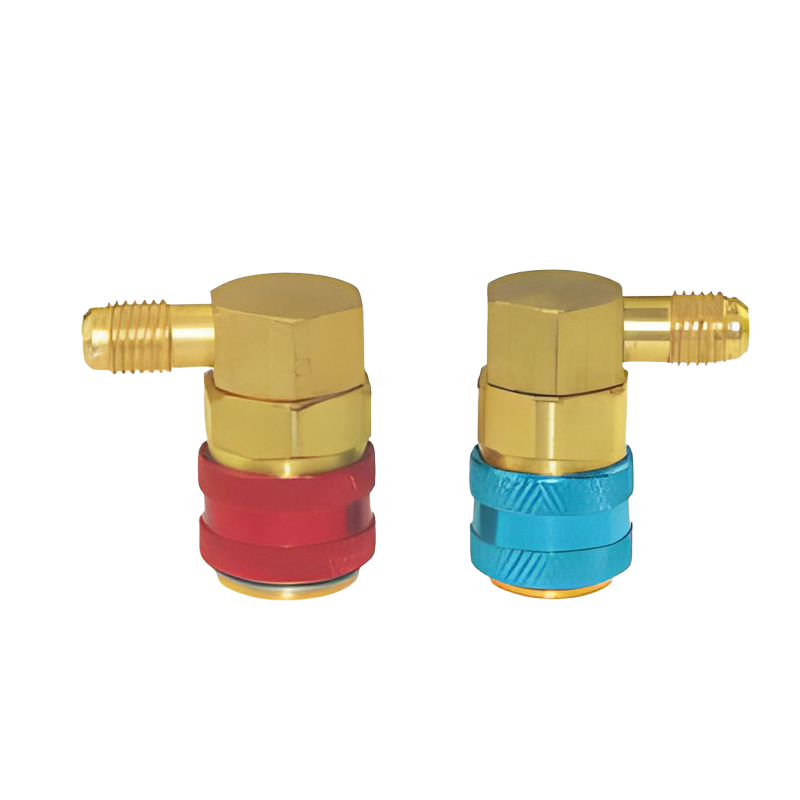
Refrigerant accessories are designed to support core system components and maintain controlled refrigerant flow. Each accessory has a specific operational purpose that contributes to overall system reliability.
Common refrigerant accessories include:
Filter driers, which remove moisture and contaminants from refrigerant
Thermostatic expansion valves (TXVs), which regulate refrigerant flow into the evaporator
Sight glasses, which allow visual monitoring of refrigerant condition
Solenoid valves, which control refrigerant flow electronically
Receivers and accumulators, which manage refrigerant storage and prevent compressor damage
These components help ensure:
Stable pressure balance within the system
Protection against moisture-related corrosion
Controlled refrigerant distribution
Reduced risk of compressor failure
Without properly selected and installed accessories, even a high-quality compressor system may experience reduced efficiency or premature wear. Their functional necessity supports continuous market demand.
The popularity of refrigerant accessories is linked to their wide use across residential, commercial, and industrial sectors.
Residential and Commercial HVAC
In homes, office buildings, and retail environments, air conditioning systems require accessories for safe and efficient operation. Demand is influenced by:
Urbanization and increased building density
Growth of middle-income housing
Rising expectations for indoor temperature control
Accessories such as expansion valves and filter driers are standard components in split air conditioning units and central HVAC systems.
Commercial Refrigeration and Cold Chain Logistics
Supermarkets, restaurants, pharmaceutical storage facilities, and food processing plants rely on refrigeration systems that operate continuously. In these settings:
Moisture control is essential to prevent system contamination
Pressure regulation ensures consistent cooling performance
Component reliability reduces downtime and product loss
Refrigerant accessories are necessary for maintaining system balance and preventing spoilage risks in cold storage applications.
In industrial refrigeration, including chemical plants and ice production facilities, systems operate under higher capacities and sometimes more demanding conditions.
Accessories in these environments must provide:
Pressure resistance
Chemical compatibility with various refrigerants
Consistent performance over extended operational cycles
Because refrigeration is integral to multiple industries, accessory demand remains stable even when certain sectors experience temporary fluctuations.
Environmental regulations and refrigerant transitions have also influenced the market for refrigerant accessories. As governments implement policies to reduce greenhouse gas emissions and phase out high global warming potential (GWP) refrigerants, system designs evolve.
This creates demand for:
Accessories compatible with alternative refrigerants such as R32 or natural refrigerants
Improved sealing technologies to reduce leakage
Updated expansion valve calibration for new thermodynamic properties
Regulatory compliance often requires equipment upgrades or retrofitting, which increases replacement demand for compatible accessories. In addition, stricter energy efficiency standards encourage manufacturers to develop components that reduce pressure drop and improve heat exchange efficiency.
Manufacturing and Supply Chain Factors
The market for refrigerant accessories is supported by established global manufacturing networks. Many components are standardized in size and connection type, allowing for broad interchangeability.
Key supply chain characteristics include:
Mass production capability for standardized models
Distribution through HVAC wholesalers and service contractors
Availability of replacement parts for maintenance and repair
Because refrigeration systems require periodic servicing, accessories generate recurring demand through the maintenance, repair, and overhaul (MRO) market.
Additionally, the relative compact size of accessories simplifies transportation and storage. This facilitates international trade and enables suppliers to serve both domestic and export markets efficiently.
From a purchasing perspective, refrigerant accessories typically represent a moderate portion of overall system cost but have a significant influence on performance and durability.
Buyers evaluate factors such as:
Material compatibility with refrigerants and lubricants
Pressure rating and temperature tolerance
Ease of installation
Expected service life
Because accessories contribute to protecting higher-value components such as compressors, their cost is often justified as a preventive investment. For example:
A filter drier can reduce moisture contamination that might otherwise damage a compressor.
A properly calibrated expansion valve can improve cooling consistency and reduce energy waste.
This practical cost-performance relationship supports their consistent market presence.
Technological Development and Product Innovation
Although refrigerant accessories are relatively mature products, incremental improvements continue. Manufacturers focus on:
Enhanced corrosion resistance
More precise flow control mechanisms
Improved sealing materials
Compact designs for space-limited systems
Digital monitoring integration is also emerging in some advanced HVAC systems, where sensors and electronically controlled valves allow more precise refrigerant management.
These developments align with broader industry trends toward energy efficiency and system automation.
Aftermarket and Service Market Demand
Refrigeration systems require periodic inspection and part replacement. Over time, accessories may need to be changed due to:
Moisture saturation in filter driers
Mechanical wear in valves
Seal degradation
Refrigerant conversion projects
The service sector plays a central role in sustaining accessory sales. HVAC technicians regularly replace components during scheduled maintenance or system upgrades. This ongoing replacement cycle contributes to stable long-term demand.
Related Products

Chengbei Industrial Zone, Xinhe Town, Wenling City, Zhejiang Province, China
Copyright © Wenling Xinsheng Mechanical and Electrical Co., Ltd. All Rights Reserved.



 English
 русский
 Español