Nov 20, 2026
A single-stage vacuum pump may work perfectly well for a basic industrial process but struggle to reach the pressure required for refrigeration servicing or laboratory work. The difference comes largely from how each pump compresses and removes gas.
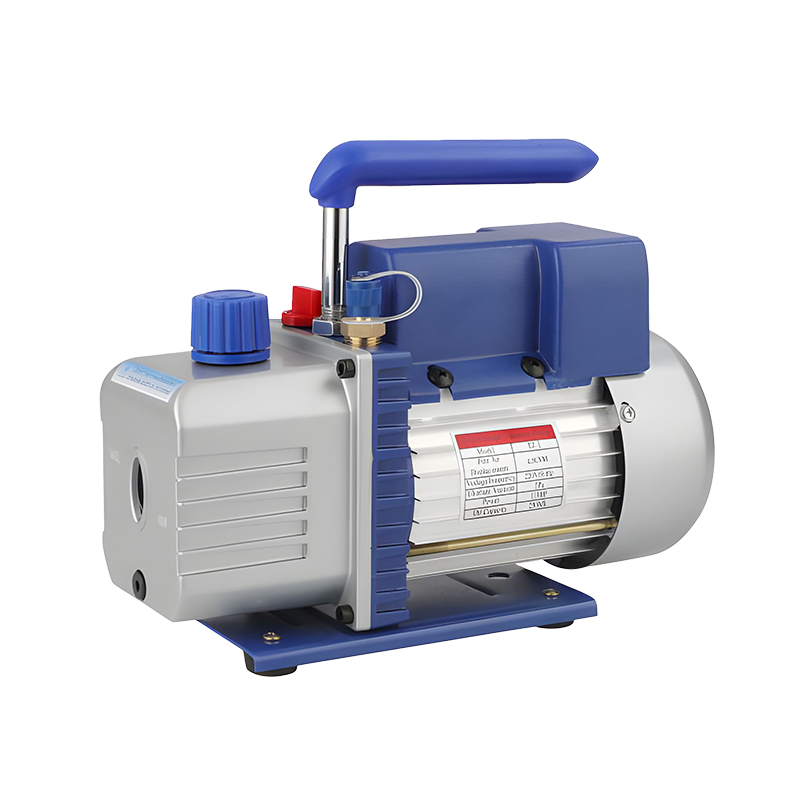
A two-stage vacuum pump uses two compression stages in sequence, allowing it to achieve a deeper vacuum under suitable conditions. However, that does not mean it is always the better purchase. The required vacuum level, system volume and evacuation time should determine which design makes sense.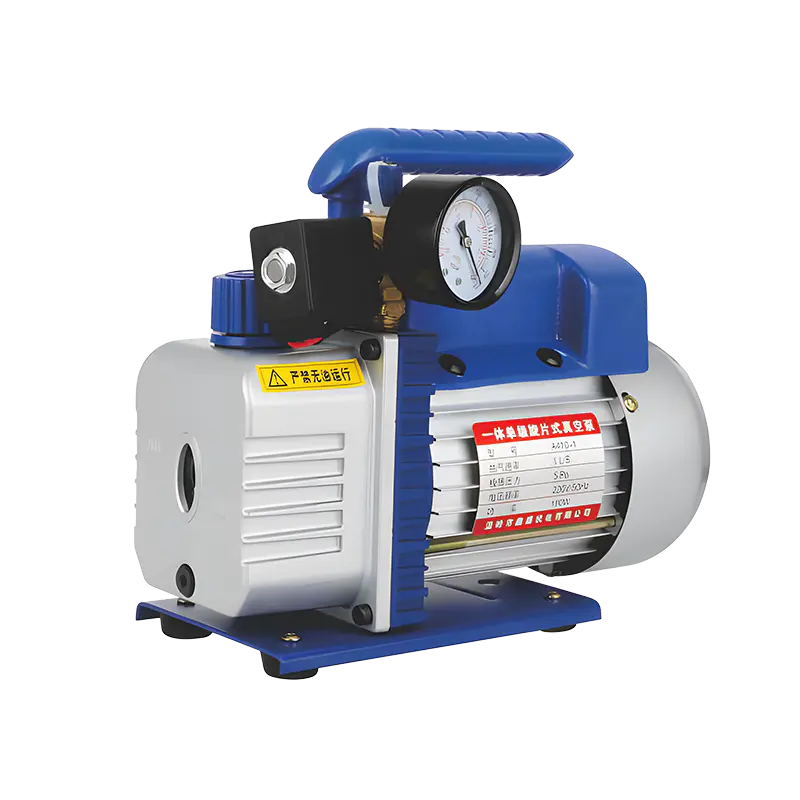
Structural Differences Between the Two Designs
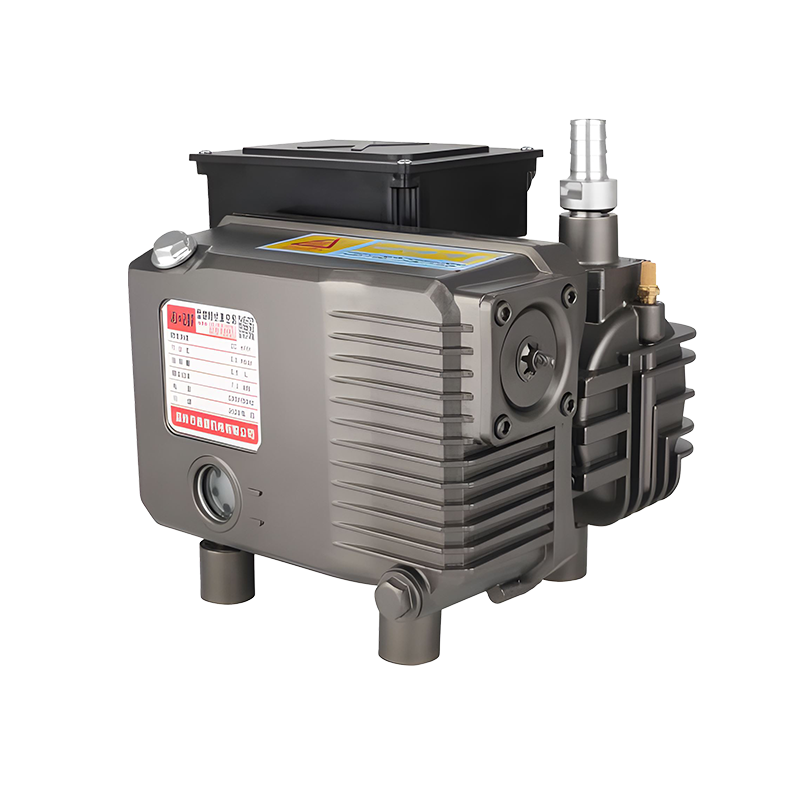
A single-stage vacuum pump draws gas through its inlet, compresses it in one chamber and releases it through the exhaust. Its relatively simple construction makes it suitable for applications with moderate vacuum requirements.
A two-stage pump performs the compression process twice. Gas first passes through the initial stage before entering the second stage for further compression and discharge.
The additional stage allows the pump to reach a lower ultimate pressure under suitable operating conditions.
The main differences include:
How Vacuum Requirements Affect Performance
Vacuum levels are measured using absolute pressure. The lower the pressure value, the deeper the vacuum.
At moderate vacuum levels, a single-stage pump may provide sufficient performance. As the target pressure decreases, however, its compression limitations become more noticeable. Internal leakage, vapor pressure and compression efficiency can restrict how far the pump can reduce system pressure.
The second compression stage gives a two-stage pump an advantage in these conditions. It continues processing gas after the first stage has reduced its pressure.
One point buyers should not overlook is pumping speed. Ultimate vacuum describes the lowest pressure a pump can achieve under specified conditions, not how quickly it gets there. A pump with a low ultimate pressure may still take too long to evacuate a large system if its effective pumping speed is insufficient.
Comparing Applications and Vacuum Requirements
| Application or requirement | Single-stage pump | Two-stage pump |
|---|---|---|
| Moderate vacuum | Often sufficient | Suitable, but may be unnecessary |
| Deeper vacuum | More limited | Generally more suitable |
| Refrigeration evacuation | Depends on required pressure | Often preferred |
| General industrial processes | Suitable for many basic applications | Suitable for demanding processes |
| Laboratory applications | Depends on equipment requirements | Often used when deeper vacuum is needed |
| Long operating periods | Depends on duty rating and cooling | Depends on duty rating and cooling |
These are general comparisons. Actual performance should be checked against the manufacturer's specifications and pumping-speed curves.
Why Two-Stage Pumps Are Preferred for Deeper Vacuum
As pressure inside a sealed system decreases, removing the remaining gas becomes increasingly difficult. Moisture, outgassing, small leaks and vapor pressure can all interfere with the evacuation process.
The two-stage arrangement divides gas compression into two steps. This generally allows the pump to achieve a lower ultimate pressure than a comparable single-stage design.
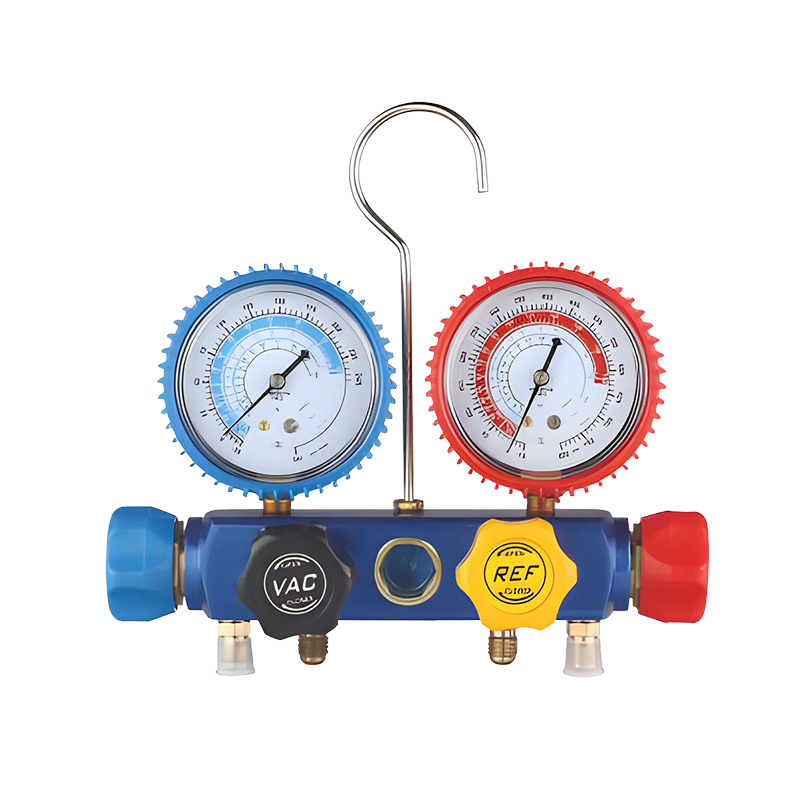
Refrigeration and air-conditioning servicing are common examples. Moisture and non-condensable gases must be removed before a system is charged with refrigerant. A suitable two-stage pump can help achieve the required evacuation level.
However, evacuation should not be confused with refrigerant recovery. Refrigerant must first be removed using appropriate recovery equipment. The vacuum pump is then used to evacuate remaining air and vapor.
When a Single-Stage Pump Is Sufficient
For workshops and industrial processes that do not require deep vacuum, a single-stage pump may be the more economical option.
Its simpler construction generally means fewer compression components and straightforward servicing. Depending on the model, it may also have a lower purchase price.
It is worth considering when the application involves moderate vacuum levels, manageable system volumes and no unusually demanding evacuation requirements.
Buying a two-stage pump simply because it offers a lower ultimate pressure can increase equipment costs without improving the actual process.
Other Factors That Influence Actual Performance
The pump design is only part of the equation. Several operating conditions can affect the vacuum level achieved in practice.
A pump may therefore achieve a different vacuum level in an actual installation than the value stated in its product specifications.
What Buyers Should Check Before Purchasing
Before comparing models, establish the required absolute pressure, system volume and acceptable evacuation time. Then review the manufacturer's performance data.
Pay particular attention to pumping speed at the intended operating pressure, vapor-handling capability, continuous operating rating and cooling requirements. For OEM and wholesale purchases, motor voltage, connection dimensions, oil capacity, noise levels and spare-part availability also deserve consideration.
When comparing 2 Stage Vacuum Pump VS. Single Stage models, focus on the pressure and pumping speed the application actually needs. A single-stage pump is often adequate for moderate vacuum work, while a two-stage model is generally the more suitable choice when deeper evacuation is required.
Related Products

Chengbei Industrial Zone, Xinhe Town, Wenling City, Zhejiang Province, China
Copyright © Wenling Xinsheng Mechanical and Electrical Co., Ltd. All Rights Reserved.



 English
 русский
 Español